
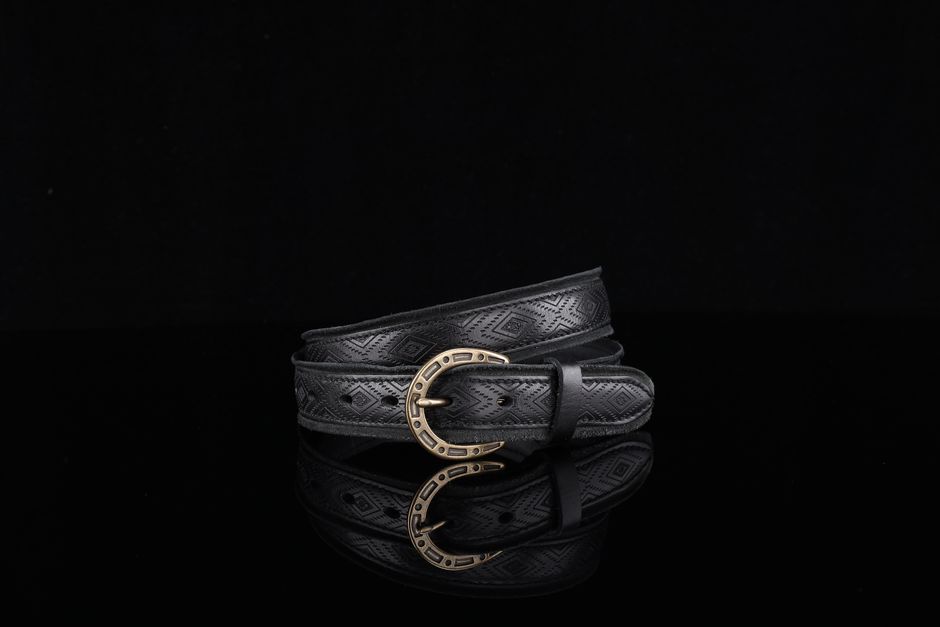
Loose summer separates feel wonderful until you put them together and the outfit seems to drift. A woven belt can give a floaty blouse and relaxed trousers a shared point of interest, bringing texture to simple fabrics without making everything feel formal. The trick is to let the clothes keep their easy movement. Think of the belt as a connecting detail: something that belongs with the fabric, catches the eye gently, and stays comfortable while you get on with your day.
Let the weave set the mood
A woven belt has more visual activity than a smooth strap. Braided leather, cotton cord, and plant-fiber weaves each bring a different character, even when their colors are similar. Look at that texture alongside your clothes before adding anything else. A substantial braid can feel at home with softly crinkled cotton, while a finer, flatter weave usually sits more quietly against fluid fabric.
You do not need an entirely rustic outfit to make the belt belong. A plain shirt and clean-cut trousers give the weave space to be interesting. If both separates already have embroidery, openwork, or a pronounced slub, choose a quieter belt with a simple buckle. Too many equally noticeable surfaces can make a relaxed outfit feel busy.
Check the underside, too
Run your fingers along the back and edges of the belt before wearing it over delicate fabric. Rough fibers, exposed joins, or a sharp buckle edge may catch a fine blouse. Try the fastening gently rather than pushing a prong through any convenient gap; some woven belts allow that adjustment, while others have designated holes. Follow the construction you actually have.
Give the belt a stable place to sit
For loose separates, the waistband is usually the easiest starting point. Thread the belt through loops when they are available, then fasten it with enough ease that the trousers still hang naturally. A belt can help hold a waistband in place, but pulling it tight to correct a poor fit often creates bunching. Look for fabric that falls away from the belt instead of gathering into deep folds beneath it.
With a loop-free skirt or pair of trousers, check whether the belt stays where you put it after walking and sitting. A slippery waistband may let it travel. Rather than repeatedly tightening it, try a belt with a softer, more flexible backing, or wear it over a lightweight top that provides a little grip. If it keeps moving, that particular pairing may simply work better without it.
Elastic waists deserve a gentle approach. A belt can cover a visible elastic casing when it rests comfortably over it, but compressing soft gathers can produce a bulky ridge. Arrange the gathers evenly, fasten loosely, and check the side view. You should still be able to sit down without the buckle pressing into you.
Keep some air around the top
Once the belt is in place, decide how much of it needs to show. You do not have to display the entire strap for its texture to register. A softly tucked top can reveal the buckle and a little weave, while loose fabric at the sides preserves the breezy feeling of the outfit. Avoid pulling the blouse taut just to expose more belt.
If your shirt is long enough to blouse over the waistband, lift your arms, lower them, and let the fabric settle before making small adjustments. Leave enough ease across your back and middle for ordinary movement. A belt looks more natural when the shirt appears to rest above it rather than being firmly anchored beneath it.
Prefer an untucked top? Try an open summer shirt over a simple tank, with the belt worn through the trouser loops underneath. The open front creates a glimpse of woven texture without requiring you to belt the outer shirt. This works especially well when you enjoy generous coverage but still want a visible connection between your separates.
Use color to connect the outfit
A natural-looking tan or oat-colored weave often feels easy with summer fabrics, but it is only one option. Dark brown, navy, or black can bring a clearer outline to pale separates. A belt close in color to your trousers makes the texture the main detail; a contrasting belt gives the outfit a more noticeable focal point.
Start by deciding whether you want that focal point. With a patterned blouse, a belt that picks up a quieter color in the print can feel settled. With two plain separates, a darker weave may supply all the contrast you need. There is no requirement to repeat the belt color exactly in your shoes or bag.
- For a soft effect: Pair cream trousers and a pale blouse with a light, low-contrast weave.
- For a clearer accent: Add a dark woven belt to a light shirt and medium-toned bottoms.
- For a coordinated effect: Choose a belt near the color of the waistband, letting the braid provide interest.
Try three combinations with different moods
A cotton blouse with relaxed trousers
Choose a plain cotton blouse, softly tailored trousers, and a flexible braided belt. Let the blouse sit loosely above the waistband, then add simple sandals. The belt provides texture where the two fabrics meet, so the rest can stay uncomplicated. If the trouser front starts to pucker, loosen the fastening and smooth the fabric before adjusting the blouse.
A soft tee with a flowing skirt
A smooth tee gives a woven belt a calm background, especially with a skirt that has plenty of movement. Keep the belt supported by the waistband rather than letting it float independently over the tee. A flat weave is helpful here because it introduces less bulk beneath soft jersey. Finish with comfortable flats or sandals that suit your plans.
An open shirt with wide, fluid trousers
Wear a simple tank inside fluid trousers, add the woven belt, and leave a lightweight shirt open over the top. The belt becomes a small detail within the outfit. Push back the shirt sleeves if that feels comfortable, and choose a bag with a relatively smooth surface so the weave remains easy to notice.
Finish with a movement check
Before leaving, sit in a chair, reach forward, and walk around. Notice whether the belt end stays secure, whether the buckle tips forward, and whether the weave rubs against bare skin. Use the keeper for any extra length. If the tail is too long to manage neatly, another belt will be easier than an elaborate knot that adds bulk.
Finally, look at the whole outfit from a little distance. If the buckle, bag, jewelry, and shoes all demand attention, simplify one accessory. Loose summer separates already have their own appeal: space, softness, and movement. A well-chosen woven belt adds just enough texture to make those pieces feel thoughtfully brought together, while leaving you free to enjoy wearing them.