

For most people, gentle exfoliation in winter should happen once every 7 to 10 days, not several times a week. Choose a low-strength chemical exfoliant or a mild exfoliating cleanser, apply it to calm skin, and follow with a plain moisturizer. Rough scrubs, daily acids, and exfoliation over cracked skin are the fastest ways to turn winter dryness into burning, redness, and peeling.
Winter changes the starting point. Cold air contains less moisture, indoor heating dries the surface, and hot showers remove some of the oils that help keep water in the skin. Exfoliation can still smooth flakes and prevent a dull, uneven surface, but the schedule must be slower than it might be in warm, humid weather. This is not legal advice — consult a licensed attorney.
How Often Should You Exfoliate in Winter?
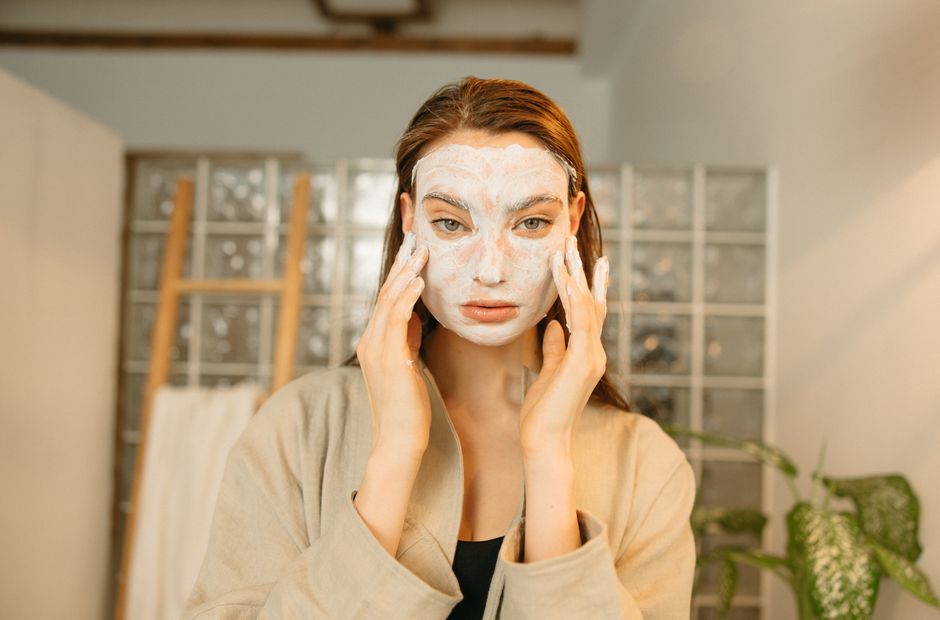
The strongest winter schedule is conservative. Start with one exfoliation session every 10 days. If your skin remains comfortable for two weeks, move to once every seven days. Most dry or sensitive skin does not need more than that from November through March.
A practical winter schedule
| Skin condition | Starting frequency | Maximum starting strength | When to stop |
|---|---|---|---|
| Dry, tight, or flaky skin | Every 10 to 14 days | Low-strength lactic acid or a gentle cleanser | Stop if tightness lasts until the next morning |
| Normal skin with mild dullness | Every 7 to 10 days | Low-strength AHA or PHA | Stop after stinging, redness, or new peeling |
| Oily skin with clogged pores | Every 7 days | Low-strength salicylic acid | Stop if oiliness changes into persistent dryness |
| Reactive, rosacea-prone, or eczema-prone skin | Pause during flares | No exfoliant during active irritation | Stop at the first sign of burning or swelling |
The table gives a starting point, not a promise of tolerance. Skin can react differently after travel, illness, shaving, a new retinoid, or a change in climate. A schedule that worked in July may be too aggressive in January.
Why winter calls for fewer sessions
Exfoliation loosens and removes some dead surface cells. That can make skin feel smoother, but those cells also contribute to the outer protective layer. The goal is to remove excess buildup without stripping away the structure that slows water loss. A small amount of surface shedding can improve texture. Repeated irritation creates more visible dryness and can leave the face looking rougher than before.
For a clear verdict, use the lowest frequency that produces a visible benefit. If your skin looks and feels the same after a month, exfoliating more often is not automatically the answer. The better choice may be a richer moisturizer, a shorter shower, or a gentler cleanser.
Which Exfoliation Method Is Gentlest for Winter Skin?

The best winter method is the one that gives a small improvement with no lingering sting, heat, or tightness. For most dry faces, low-strength lactic acid or PHA is the safest first experiment. For clogged pores, salicylic acid can be more useful because it works inside oily pores. Physical scrubs rank last for winter facial care because pressure and rough particles can add friction to a skin barrier already under stress.
Chemical exfoliation works through ingredients
Alpha hydroxy acids, including lactic acid and glycolic acid, loosen connections between surface cells. Lactic acid is often the better winter starting point because it can be less intense than a high-strength glycolic acid formula. Polyhydroxy acids, such as gluconolactone, have larger molecules and tend to move more slowly across the surface. That makes a PHA a reasonable option for people who find traditional acids too sharp.
Beta hydroxy acid, usually salicylic acid, behaves differently. It is oil-soluble, so it can move into pore contents and help loosen excess sebum and debris. That makes it useful for blackheads and congestion, but it does not make it automatically gentle. A 2% leave-on BHA can still dry the cheeks, nose folds, or lips during a cold spell.
Physical exfoliation adds friction
Washcloths, facial brushes, grainy scrubs, and cleansing tools all create mechanical force. A soft washcloth used once during cleansing is not the same as rubbing a gritty scrub over the face for two minutes, but both can become irritating when repeated. The risk rises when the person presses harder to remove flakes that are actually caused by dehydration or irritation.
Physical exfoliation makes more sense on thick body skin than on the eyelids, lips, or dry cheeks. Even then, use light pressure and a short contact time. Do not scrub over cuts, razor burn, inflamed spots, or areas with active dermatitis.
The barrier-first rule
Before choosing an exfoliant, check whether the skin is ready. Healthy skin usually tolerates a short application without strong burning. Compromised skin may sting when plain water, moisturizer, or sunscreen touches it. That reaction is a reason to pause exfoliation, not a sign that the product is working.
Use lukewarm water, pat dry, and apply moisturizer while the skin still feels slightly damp. Keep retinoids, benzoyl peroxide, strong vitamin C, and other exfoliating acids away from the same evening until you know your skin can handle the routine. The safest winter method is a simple one with a long recovery period.
How to Exfoliate Without Causing Winter Irritation
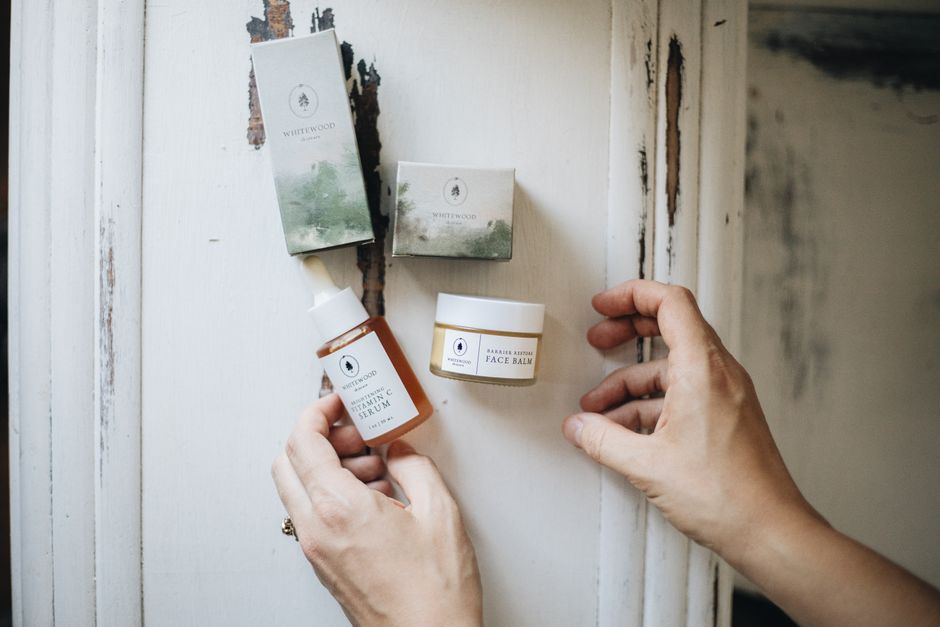
Follow this sequence when your skin feels stable. The order matters less than the restraint. Most winter exfoliation mistakes come from adding several strong steps at once, then trying to repair the damage with more products.
- Check the skin before application. Do not exfoliate skin that is cracked, hot, swollen, freshly shaved, sunburned, or actively peeling. Wait until cleansing and moisturizing feel comfortable again.
- Patch test the formula on a small area near the jaw or behind the ear. A patch test cannot predict every reaction, but it can reveal immediate burning, itching, or swelling before the product covers the whole face.
- Cleanse with lukewarm water and a non-scrubbing cleanser. Do not use a brush, cleansing cloth, or rough towel on the same night.
- Apply a thin layer to completely dry skin if the label allows it. Damp skin can increase the speed at which some acids spread, which may make a strong formula feel harsher.
- Keep the first application short. For a rinse-off exfoliating cleanser, follow the label and rinse fully. For a leave-on product, use a small amount and do not add extra layers because the skin feels smooth immediately.
- Moisturize with a plain cream containing ingredients such as glycerin, petrolatum, squalane, or ceramides. Avoid adding another active ingredient after exfoliation.
- Use broad-spectrum sunscreen during the day. Winter sunlight still reaches the skin, and snow, water, and bright surfaces can increase reflected light.
- Wait at least seven days before judging the result. Do not repeat the treatment the next night because the first session seemed mild.
Common failure modes
- Exfoliating visible flakes every morning instead of treating the dryness underneath.
- Combining a scrub, acid toner, retinoid, and acne treatment in the same week.
- Applying acid close to the corners of the nose, eyes, or mouth where the skin is thinner.
- Using a high-strength peel because a low-strength formula did not produce an instant dramatic change.
- Continuing after persistent burning, swelling, hives, or worsening redness.
If a product causes severe pain, facial swelling, blistering, or breathing trouble, stop using it and seek urgent medical care. Persistent redness, scaling, acne-like bumps, or itching deserves assessment from a qualified dermatologist rather than a stronger exfoliant.
When Should You Skip Exfoliation Entirely?
Skip exfoliation when the skin needs repair more than smoothing. A moisturizer can improve the look of dry flakes without removing them. That is the correct choice during a winter flare, after overuse of active products, or whenever plain skincare stings.
Should you exfoliate flaky skin?
Usually, no. Flaking can signal dehydration, irritation, contact dermatitis, eczema, or damage from a retinoid. Scrubbing the flakes away may create a smoother surface for a few hours while leaving the cause untouched. Apply a bland moisturizer twice daily, shorten hot showers, and reassess after several days.
Should you exfoliate after shaving or hair removal?
Wait until the skin feels calm. Shaving already creates friction and can leave tiny surface injuries. Adding acid or a scrub immediately afterward increases the chance of stinging and ingrown-hair irritation. For body areas prone to ingrown hairs, a gentle salicylic acid cleanser used on a later day is a safer option than aggressive rubbing.
When is an exfoliant the wrong purchase?
Do not buy one simply because your skin looks dull in a dry room. Also skip it if you already use a retinoid, benzoyl peroxide, prescription acne treatment, or another acid and cannot keep a simple weekly schedule. People with eczema, rosacea, frequent rashes, or unexplained redness should ask a dermatologist before adding exfoliation.
The specific recommendation is simple: for calm dry winter skin, start with one low-strength lactic acid or PHA session every 10 days, moisturize immediately, and increase only if the skin remains comfortable. For clogged pores, use a low-frequency salicylic acid product on oily areas. For cracked, burning, or inflamed skin, buy no exfoliant at all until the barrier has recovered.