

The best cold-weather hand care plan has three parts: a fragrance-free cream after washing, gloves that block wind, and a thicker overnight layer. Cream alone will not fix hands that keep losing moisture to cold air, hot water, soap, and dry indoor heat.
Why cold weather cracks your hands
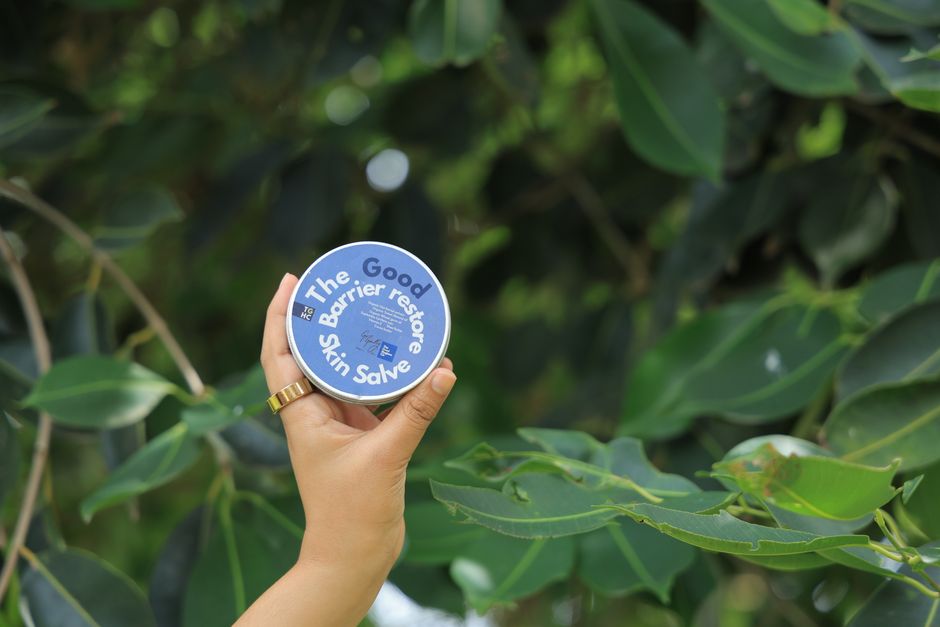
Cold air damages the skin barrier by pulling water from the outer layer faster than your hands can replace it. Add repeated handwashing, alcohol sanitizer, dishwater, and low indoor humidity, and small cracks form around the knuckles, fingertips, and cuticles.
The skin barrier loses water first
The outer layer of skin contains natural oils, fats, and water-binding compounds. Together, they slow water loss and keep the surface flexible. Winter strips away that protection. Wind increases evaporation, while indoor heating lowers humidity. Hot water feels soothing, but it removes surface oils faster than lukewarm water.
That explains why hands can feel tight immediately after washing. The problem is not simply a lack of cream. The barrier has been exposed to repeated stress, so each wash starts the cycle again.
Cracks are a warning sign, not a texture problem
Roughness, peeling, redness, burning, and tiny splits all point to barrier damage. If a crack bleeds, stings when you apply ordinary lotion, or keeps reopening over the same knuckle, treat it as an injury to protect rather than a cosmetic flaw to smooth away.
Scrubbing makes this worse. So do scented products that sting and very hot showers. The practical verdict is simple: reduce water and soap exposure where you can, pat hands dry, and apply a protective layer within a minute of washing. That timing matters because damp skin loses less water when you seal it quickly.
The nightly routine that stops winter cracks

The winning routine is short enough to repeat every night. Use lukewarm water, leave a little moisture on the skin, apply a cream, then seal the driest areas with an ointment. Consistency beats a complicated shelf of products.
Follow this five-minute order
- Wash with lukewarm water for about 20 seconds. Use a mild, fragrance-free cleanser when you have a choice.
- Pat your hands dry instead of rubbing them hard with a towel.
- Apply a hand cream while the skin still feels slightly damp. Cover the backs of the hands, knuckles, fingertips, and cuticles.
- Press a thin ointment layer over cracks and rough patches. Do not spread a heavy coat over every finger if you dislike a greasy feel.
- Put on clean cotton gloves for 30 minutes or overnight if your hands tolerate them. Wash the gloves regularly so sweat and residue do not build up.
The mistake that keeps cracks open
Most people apply cream only when their hands feel dry. By then, the skin has already lost water. Keep a small tube near the sink and use it after washing, after cleaning, and before leaving the house. The goal is not to repair damage once a week. It is to stop the repeated water-loss cycle throughout the day.
Do not seal wet hands under thick ointment. Pat them nearly dry first. Trapped water can make the skin feel soggy, while a thin layer over slightly damp skin gives you the best balance of comfort and protection.
Which hand creams are worth buying?
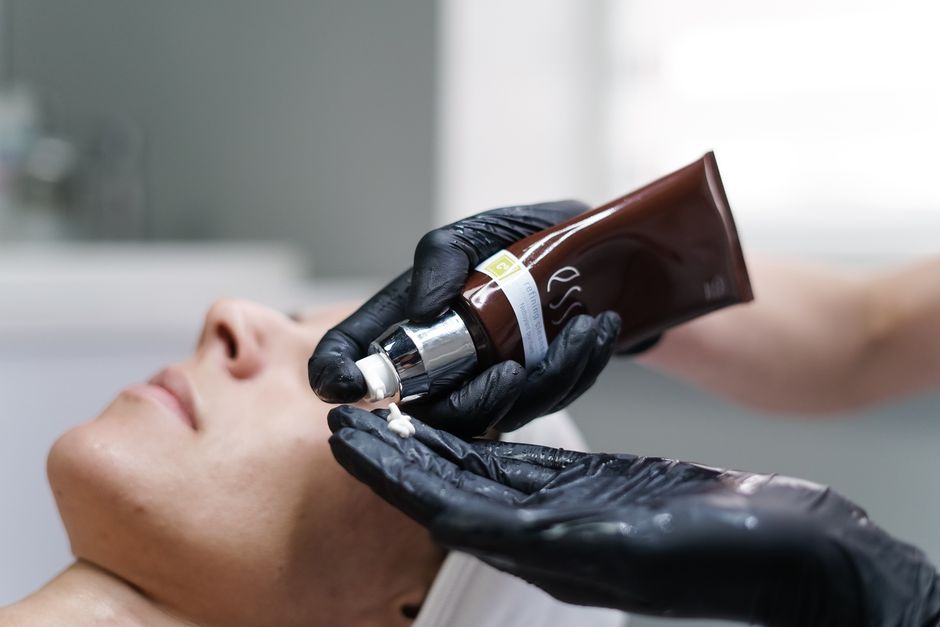
For most winter hands, choose a fragrance-free cream with humectants, barrier-supporting ingredients, and a texture you will actually use. The best product is not the richest formula on the shelf. It is the one you will reapply after every major handwashing session.
Best picks by skin problem
| Product | Size and typical US retail price in 2026 | Best use | Main tradeoff |
|---|---|---|---|
| CeraVe Therapeutic Hand Cream | 3 oz, about $12 | Daily dry, sensitive hands; dimethicone and three ceramides | More protective than a light lotion, but still easy to use during the day |
| O’Keeffe’s Working Hands | 3.4 oz, about $8 | Very rough, cracked hands that need a concentrated cream | Thick feel and a less polished finish |
| Eucerin Advanced Repair Hand Cream | 2.7 oz, about $9 | Flaking and persistent dryness; ceramides and moisturizing factors | Can feel heavy if you prefer a fast-absorbing gel texture |
| Aquaphor Healing Ointment | 14 oz, about $14–$20 | Overnight sealing for splits, cuticles, and severely dry patches | Greasy, so it works better at bedtime than before typing |
My clear daytime winner
For sensitive hands that crack in winter, CeraVe Therapeutic Hand Cream is the best starting point. The 3-ounce tube fits a bag, the dimethicone adds a light protective film, and the ceramides support the barrier without the heavy shine of an ointment. Pick O’Keeffe’s Working Hands instead when your knuckles are already rough and split. Its concentrated texture is less elegant, but it is the stronger value at about $8.
When to choose an ointment instead
Use Aquaphor Healing Ointment as the final night layer, not as your only moisturizer. Petrolatum slows water loss, but it does not add much water to dry skin by itself. Apply cream first, then press a small amount over the damaged areas. If your skin feels itchy or irritated after several applications, switch to a plain fragrance-free formula and stop using products with perfume, essential oils, or exfoliating acids.
Which gloves protect hands without ruining your outfit?
Gloves are part of hand care, not just an accessory. They reduce wind exposure, keep skin warmer, and lower the amount of emergency cream you need later. For everyday commuting, The North Face Etip Recycled Glove is the best all-around choice because it combines a slim profile with full touchscreen compatibility and a silicone grip.
Match the glove to the weather
- For mild, dry cold, choose a thin fleece or wool-blend glove. You need dexterity more than maximum insulation.
- For windy commutes, choose a close-fitting glove with a wind-resistant outer surface. Loose cuffs let cold air reach the wrist and reduce the benefit of the glove.
- For wet snow or prolonged outdoor time, choose an insulated waterproof glove or mitten. Thin touchscreen gloves are not enough for hours outside.
- For cycling, running, or carrying bags, look for a grippy palm and a secure cuff. Warmth without grip creates a different safety problem.
- For eczema-prone or easily irritated hands, avoid rough seams and scratchy wool against the skin. Wear a soft liner under a weatherproof shell.
The best everyday pair for style and function
The North Face Etip Recycled Glove costs about $50 and uses four-way-stretch fleece with a shell and palm made from 93% recycled polyester and 7% elastane. It offers five-finger touchscreen use, a silicone gripper palm, a pairing clip, and a 5 Dimensional Fit. That makes it useful for walking to work, handling a phone, and carrying a coffee without taking the gloves off.
Do not buy it for deep-freeze conditions or wet snow. Its slim fleece design favors movement and phone use over heavy insulation. For severe cold, a thicker waterproof mitten is the better purchase, even if it looks less sleek and makes texting harder.
When hand cream is not enough
Winter dryness should improve when you reduce irritation and use a barrier routine. If it does not, stop treating every red patch as ordinary dry skin.
Could it be eczema or contact irritation?
See a clinician or dermatologist if redness, itching, scaling, or painful cracks persist for more than two weeks despite regular care. A rash that spreads beyond the hands, forms blisters, or burns after several different products may point to eczema or contact irritation. More cream will not solve an ingredient that keeps triggering the reaction.
When should you avoid buying another product?
Do not keep switching creams every few days. That makes it hard to identify the cause and can expose already damaged skin to more fragrance and preservatives. Use one plain routine for at least a week unless the product causes immediate burning, swelling, or worsening redness. Those signs call for stopping the product, not applying more.
The final verdict
For ordinary winter dryness, use a fragrance-free cream after washing, an ointment on cracks at night, and gloves before cold air reaches your hands. For the clearest starting plan, choose CeraVe Therapeutic Hand Cream during the day, Aquaphor Healing Ointment on damaged areas before bed, and The North Face Etip Recycled Gloves for everyday commutes. That combination solves the three causes at once: moisture loss, barrier damage, and cold exposure.