
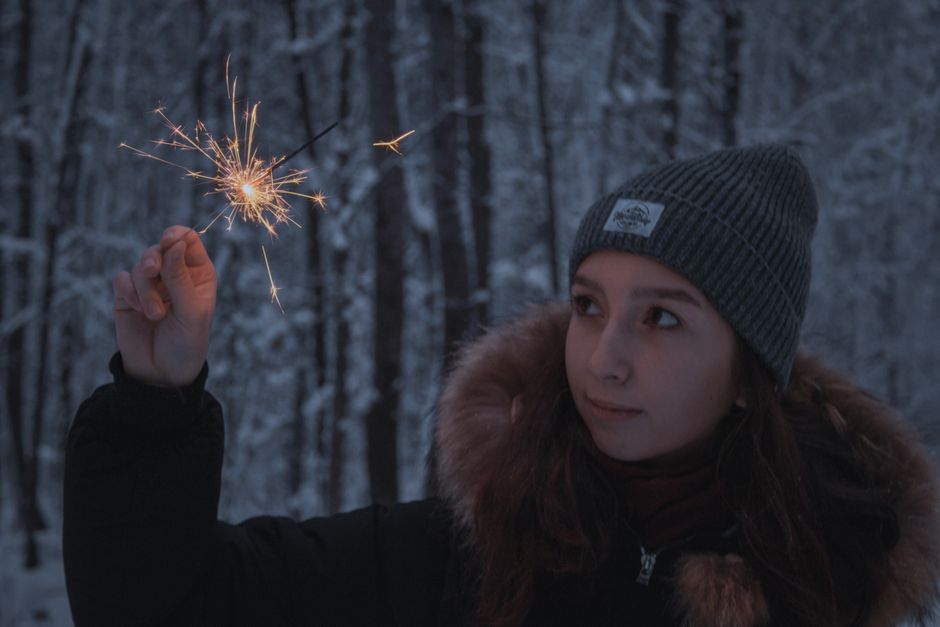
The common mistake is to match a hat to your face shape first and stop there. Your hair volume, parting, texture, and the way you wear the hat can change the result more than the shape of your jaw. A round face can look balanced in a close-fitting beanie, while a long face may suit the same hat only when you leave height at the crown. The best winter hat creates visual balance, stays comfortable for several hours, and works with your actual hair rather than an imaginary salon blowout.
Match the Hat Shape to Your Face Shape
Face-shape advice works best as a proportion check, not a strict rulebook. Look at the widest part of your face, the length from forehead to chin, and the shape of your jaw. Then choose a hat that adds height, width, or structure where your face needs balance.
Round faces need controlled height
A round face usually has similar width and length, with softer cheeks and a curved jaw. A shallow hat pulled tightly over the forehead can make the face look wider. Choose a beanie with a little vertical room, then wear it one or two inches back from the eyebrows. A folded cuff gives the eye a horizontal line, so keep the crown slightly relaxed instead of flattening it. A narrow rib pattern also looks cleaner than a very bulky cable knit.
Long and oval faces need less crown height
A long face benefits from width and a lower profile. Avoid a tall slouch that adds several extra inches above the head. A cuffed beanie worn close to the scalp, a brimmed knit hat, or an ear-flap style can create a stronger horizontal shape. An oval face has more freedom, but balance still matters: a tall hat can make the face look longer, while a very tight cap can hide the natural proportions that make the shape versatile.
Square and heart-shaped faces need softer lines
Square faces often look best with rounded crowns, soft ribbing, and a little looseness around the temples. These details soften a strong jaw without hiding it. A heart-shaped face has a wider forehead and narrower chin, so avoid a hat with a very wide, stiff brim. A medium-width cuff or a small pom-pom can shift attention toward the center of the face. The clear winner for both shapes is a soft hat with enough structure to hold its form but no sharp, boxy edge.
Adjust the Hat for Your Hair Type

Your hair changes the hat’s fit before it changes the look. Thick curls need more internal space, fine hair needs grip, and long hair needs a plan for the ends. Start with the hairstyle you will wear most often in winter, not the hairstyle that looks best for one photograph.
- Fine or straight hair: Choose a light rib-knit beanie with a snug lower band. Smooth synthetic yarn can slide on straight hair, so look for ribbing that creates friction without squeezing your temples. Wear a low ponytail or tuck the ends into your coat for a clean outline.
- Thick or curly hair: Pick a deeper crown and avoid forcing all of your hair under a shallow hat. Gather curls loosely at the back or let them frame the cheeks. A hat that feels slightly roomy in the store may fit perfectly once your hair expands in cold, dry air.
- Fine, flat hair with bangs: Leave a small section of fringe outside the hat. Pulling the hat over every strand can flatten the roots and make the face look longer. A short cuff placed just above the brows gives the style more shape.
- Long hair: Decide where the hair will sit before checking the fit. A low bun needs extra room at the back, while a braid needs a hat with a flexible crown. Do not judge a hat while your hair hangs loose if you plan to wear it tied most days.
- Color-treated or fragile hair: Choose a smooth lining or soft polyester yarn and avoid rough wool if friction causes frizz or breakage. A satin scarf under the hat can protect the hair, but it also reduces grip, so test the hat while walking and turning your head.
The strongest styling choice is the one that respects your hair’s volume. A hat should hold the hair close enough to stay warm but never crush the roots so hard that the style collapses when you remove it.
Use Three Fit Checks Before You Buy

Fit matters more than the label on the hat. Measure around your head at the middle of your forehead and above your ears, then compare that number with the brand’s size chart; a typical adult head falls near 21.5 to 23 inches, but hair volume can add more than an inch, so try the hat over your real winter hairstyle, check that the lower edge sits about half an inch above the eyebrows unless you want extra forehead coverage, keep the ears covered without pressure on the cartilage, turn your head from side to side to make sure the fabric does not creep upward, and wear it for at least five minutes because a band that feels fine at first can create a headache after an hour; reject any hat that leaves a deep mark, slides over the eyes, exposes the back of the neck, or forces your hair into a shape you will not maintain, and do not buy a larger size to solve tightness if the crown collapses, because the hat will lose warmth and look untidy, while a deeper cut or stretchier knit solves the problem more cleanly.
Compare Winter Hat Styles by Use, Not Trend

A good-looking hat can still fail if it does not match the weather, hair routine, or amount of movement in your day. The table below gives a practical starting point using current listed prices checked for 2026. Prices can change by color and season, but the fit and material differences remain useful.
| Hat | Listed price | Material or detail | Best use | Verdict |
|---|---|---|---|---|
| Carhartt Women’s Cuffed Rib Knit Beanie | $19.99 | 100% acrylic rib knit; one size | Everyday city wear and thick hair | Best budget choice for a stretchy, structured cuff |
| Patagonia Fisherman’s Rolled Beanie | $45 | 100% recycled polyester; 102 g; shallow fit | Low-profile styling and sensitive skin | Best for fine hair and people who dislike wool itch |
| Smartwool Fleece Lined Beanie | $45 list price | Wool exterior with fleece lining | Cold commutes and wind exposure | Best warmth pick when comfort matters more than a sleek profile |
| Arc’teryx Bird Word Toque | $60 | Close-fitting technical knit | Layering under a hood or helmet | Best for active wear and a compact silhouette |
My overall pick for most shoppers is the Carhartt Women’s Cuffed Rib Knit Beanie because its $19.99 price, stretch acrylic, and firm cuff make it easy to test different face-shape placements without spending much. Choose the Patagonia if itchy fibers bother your forehead. Choose the Smartwool when wind and low temperatures matter more than volume. Skip the Arc’teryx if you want a dramatic slouch or need space for a large bun; its strength is a neat, close fit.
Questions That Prevent the Most Common Hat Mistakes
Should a round face avoid a beanie?
No. A round face should avoid a completely flat beanie, not every beanie. Leave a little height at the crown, keep the cuff narrow, and place the lower edge slightly above the widest part of the cheeks. A slouch that rises straight upward can add length, while a controlled crown gives balance without making the hat look oversized.
Is wool always warmer than acrylic?
No. Fiber alone does not decide warmth. A fleece-lined acrylic or wool hat can feel warmer than a thin, unlined wool knit because the lining traps more air and blocks wind. Wool handles moisture well and often feels less clammy during active use, but people with sensitive skin may prefer the Patagonia Fisherman’s Rolled Beanie because its recycled polyester yarn feels smooth and its shallow shape stays close to the head.
When should you skip a beanie?
Skip a beanie when you need strong wind protection around the ears, when your hairstyle cannot tolerate compression, or when you will move between heated rooms and cold streets all day. An ear-flap hat or a lined hat with a brim may serve you better. A beanie also makes little sense for a large top knot unless it has a deep crown; forcing the knot under a shallow hat creates pressure and leaves the hat sitting too high.
How do you stop hat hair?
Dry the roots before putting the hat on, use a smooth lining, and avoid tightening the cuff more than needed. For fine hair, part the hair in the opposite direction from your final style before covering it, then switch the part when you remove the hat. For curls, apply a small amount of leave-in conditioner and let the hair settle instead of brushing it dry. The right hat cannot remove every mark, but the right size prevents the flat, oily look that comes from excessive pressure.
The solution to the opening problem is simple: do not choose a hat from a face-shape chart alone. Match the crown and cuff to your proportions, leave room for the hair you actually wear, and reject any fit that hurts or slides. A round face, thick curls, and a cold commute can all work with the same winter hat once the shape, depth, and placement match real life.