
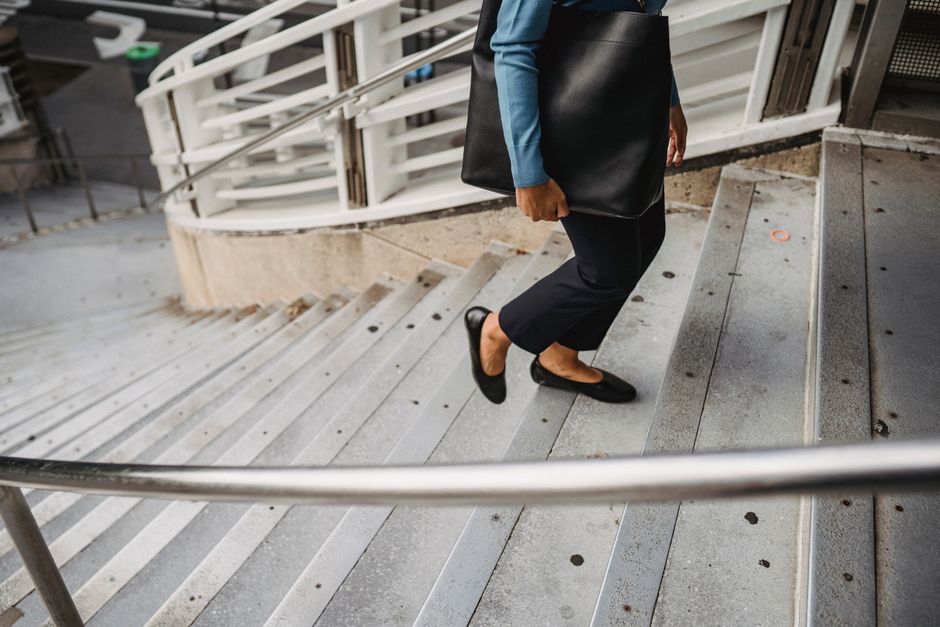
A tote can look perfectly suited to your autumn wardrobe and still become the most irritating part of the commute. Once you add a cardigan, lunch, and everything needed for work, those elegant handles have real work to do. Choosing a Tote With Comfortable Straps for Autumn Commuting starts with how the bag feels over your usual layers as you walk, wait, and reach for things. Give the straps as much attention as the color, and your morning journey can feel considerably less fussy.
Start with your everyday load
Before comparing bags, gather what you actually carry. Include your water bottle, glasses, umbrella, and any work equipment. Remember the extras that come home with you, too. A tote that feels lovely with only a wallet inside may behave very differently when it holds your working day.
Remove things that rarely leave the bottom of your current bag. Comfortable straps cannot make an excessive load disappear. If your journey regularly involves heavy equipment and long walks, consider whether a backpack or wheeled bag would serve that particular commute better. A tote should suit the job you need it to do.
Feel the entire strap
Look for width that stays flat
A broader strap can spread the load across more of your shoulder, often feeling easier than a narrow handle pressing into one spot. However, a wide strap that folds into a thin ridge under weight may offer less comfort than its appearance suggests. Check the shape while the bag is carrying something.
Rolled handles can feel pleasant in your hand but concentrate pressure when worn over your shoulder. If shoulder carrying is your usual habit, pay particular attention to that contact point. The strap should rest comfortably without making you lift your shoulder or hold your arm against the bag to support it.
Check edges, seams, and hardware
Run your fingers along the underside and edges. Rough stitching, stiff piping, and sharp finishing can become distracting once the tote is loaded. The surface touching your coat should feel even. Also check for buckles or decorative fittings that could sit directly on your shoulder or press into your upper arm.
Padding may help, but its position matters. A padded section that slips away from your shoulder offers little benefit. Try moving your arm and taking the tote off, then putting it back on. Notice whether you have to arrange the padding carefully each time to make the strap comfortable.
Allow space for autumn layers
Strap drop describes the space between the raised handle and the top of the bag. It influences both how easily the tote goes onto your shoulder and where the bag rests. There is no single ideal measurement for every body, coat, and carrying preference.
Try the tote over something similar to your commuting coat. Your arm should pass through easily without wrestling the handles into place. Once the bag is on, check that its opening does not wedge beneath your arm or bunch your sleeve. A comfortable fit over a thin blouse may feel cramped over wool.
Longer handles are not automatically the answer. A low-hanging bag may swing against your leg or catch on a seat. Look for a position that allows your arm to hang naturally while keeping the tote reasonably close to your side. Walk a little to judge that balance.
Make sure both handles stay put
With two straps, the outer one sometimes slips away and leaves the inner one carrying the load. You may find yourself catching it repeatedly or shrugging to keep it up. That small annoyance can become tiring when it happens throughout the journey.
Put both handles on your shoulder, turn, and reach forward. Reposition them once if necessary, then keep moving. Repeated slipping tells you something useful about the fit. You should not have to maintain a special posture just to keep your tote in place.
Your coat fabric affects this, too. Smooth outerwear and textured wool can hold the same strap differently. A rough underside might grip well but catch on delicate knitwear. Check both comfort and fabric contact, especially if you alternate between a tailored coat and a soft cardigan during the week.
Consider what hangs beneath the straps
Lift the empty tote before filling it. Heavy construction and large metal fittings add to everything you carry. A bag that already feels substantial in your hand gives you less flexibility once your essentials go inside. Consider the empty weight alongside the feel of the handles.
Shape also influences comfort. A very wide base can push the tote away from your body, while an overfilled opening may force the straps apart. Hard objects should not press through the side toward you. Arrange the contents so the bag can settle without a bottle or charger creating an awkward lump.
Inspect the handle attachments for even stitching and material that is not pulling or distorting. Follow any stated carrying limits. Neat construction is useful to see, but appearance alone cannot establish how much weight the tote can safely hold. Avoid treating extra space as an invitation to keep adding things.
Rehearse your journey before deciding
With the shop’s permission, try a representative load. At home, follow the return conditions while checking the fit. Standing in front of a mirror is only part of the assessment. Recreate the small movements that make up your commute:
- Walk at your normal pace with your arms relaxed.
- Remove the tote and put it back on over your outer layer.
- Sit down, then lift the bag without twisting awkwardly.
- Reach for your travel pass and notice whether the handles obstruct access.
- Carry it briefly in your hand to check your alternative grip.
If the straps dig in, reconsider the fit or reduce the load. Stop carrying the bag if it causes pain or tingling. You do not need to endure discomfort to give a tote a fair chance.
Let the finishing details support your choice
Once the carrying feels right, choose a color that works with your usual coats. Check whether strap hardware catches on cuffs and read the care instructions for damp autumn days. Let wet handles dry as directed and inspect them occasionally for wear. The tote that earns its place is the one you can slip over your coat, walk with comfortably, and take off without having spent the journey adjusting it.