
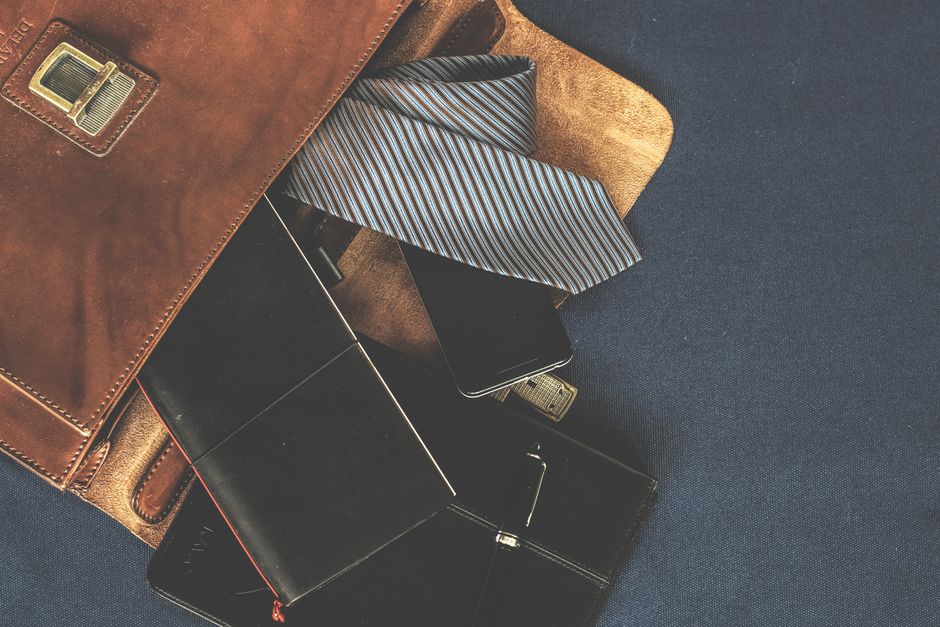
A structured satchel can make carrying work papers feel more orderly, especially when your day includes meetings, appointments, or a commute with documents in tow. The right one keeps a folder flat, opens without a wrestling match, and looks at home beside your usual work clothes. Choosing it calls for a closer look than simply deciding whether you like the color. Start with the papers you actually carry, then consider how the bag holds them, how you reach them, and how comfortably you can move through your day.
Let your largest folder set the size
Loose sheets are a poor guide to capacity. A protective folder, document wallet, or slim binder takes up more room than the pages inside it, and its corners need clearance. Measure the item you carry most often, including tabs, fastenings, and any edges that extend beyond the paper. If you regularly alternate between different document sizes, use the larger folder as your starting point.
Check the satchel’s usable interior dimensions rather than relying on its outside measurements. Thick walls, rounded corners, and internal dividers can reduce the space available. A bag may look generously proportioned yet require you to bend a folder to get it inside. Ideally, the folder should slide in and lift out without scraping along the sides or catching beneath the closure.
Pay attention to the opening
The widest part of the bag is not always the widest part of its opening. A tapered top can make a roomy satchel awkward for documents, while a zip that stops short of the side seams may restrict access. Look for an opening that lets you insert your folder in its natural orientation. You should not need to roll the papers or turn the whole bag sideways every time.
Choose structure that supports the contents
A useful paper-carrying satchel has enough body to stop its sides collapsing onto your documents. Feel the base and side panels, and notice whether the empty bag keeps a recognizable shape. Some flexibility is comfortable against your body, but a sagging bottom can encourage folders to bow. A firm, level base gives the contents a more dependable place to rest.
Too much rigidity has drawbacks, too. A very stiff case can be heavy before you pack anything, and hard corners may press against your hip. Look for a balance: supported panels, a base that stays fairly flat, and edges that feel comfortable when carried. Structure should make the satchel easier to use, rather than turn every journey into an exercise in managing a box.
Inspect the seams and attachment points
Check for even stitching around the handles, strap anchors, and base. Gently lift the bag by each handle and look for twisting or obvious strain at the attachments. Inside, the lining should sit neatly without loose fabric bunching where folder corners will land. These small construction details matter because papers tend to be carried in the same position day after day.
Give documents a clear compartment
A broad, relatively flat section usually serves papers better than several narrow pockets. Your folder needs a continuous space where it can stand or lie without being pushed around by a bulky wallet, glasses case, or lunch container. A divider can help, provided it reaches low enough to keep small belongings from slipping underneath and crowding the document area.
If you also carry a laptop, check that its compartment is separate and appropriately padded for your device. A paper divider is not automatically a protective laptop sleeve. Pack both items together during your fit check: a device can pull the lining taut or reduce the space beside it, even when each item fits comfortably on its own.
- Document section: wide enough for the folder without curled corners.
- Small-item storage: a secure place for keys and pens away from loose pages.
- Everyday essentials: room for what you need without forcing the sides outward.
- Top clearance: enough space to close the bag without pressing down on folder tabs.
Test the closure with the bag realistically filled
A satchel should close properly around your normal load. If the flap barely reaches or the zip needs a strong tug, the capacity is too tight. Overfilling can distort the shape and makes retrieving documents more awkward. Leave a little room for the occasional extra envelope or meeting handout, while avoiding a bag so oversized that everything shifts around inside.
A zip offers more enclosure than an open top, although gaps at its ends may still admit rain. A flap can cover the opening well, but check whether its sides lift away from the bag. Neither feature alone guarantees weather protection. For important papers, a suitable protective document wallet adds a useful layer, particularly when your commute includes time outdoors.
Try operating the fastening as you would during a working day. Can you release it without setting everything down? Does decorative hardware get in the way? If you carry confidential documents, consider whether the closure conceals them adequately, and follow your workplace’s requirements for transporting sensitive material.
Assess comfort with papers inside
Paper can add noticeable weight, so an empty-bag try-on tells only part of the story. Where possible, test the satchel with your usual folder and essentials, with the retailer’s permission. Walk a little, turn, and sit down. Notice whether the bag bumps your leg, pulls away from your body, or makes you grip the handles tightly to keep it steady.
Handles should feel smooth in your hand, with enough room for the way you prefer to carry them. If you use an optional shoulder strap, check that its attachments hold the loaded bag level. A satchel that tips sharply forward may spill its contents toward the opening when unfastened. Choose the carrying arrangement that feels manageable through your actual journey, including stairs and crowded spaces.
Pick a finish that suits your working wardrobe
Once the practical fit is right, consider the visual effect. A clean rectangular satchel brings a defined line to softer trousers, knitwear, or a fluid dress. A slightly softened outline can feel comfortable with tailored separates. Neither needs elaborate decoration to look polished; the proportions and condition of the bag do much of the work.
Choose a color you enjoy beside the coats and shoes you wear most often. Black, brown, navy, burgundy, or a muted neutral can each be versatile within the right wardrobe. Matching every accessory exactly is unnecessary. Look instead for a finish and hardware tone that sit comfortably with your usual clothes, so the satchel feels like part of your outfit.
Make the final decision with a packing rehearsal
Before committing, run through a normal arrival at work: set the bag down, open it, remove the folder, and put it back. Check whether the base stays steady and whether you can see small essentials without emptying the contents. Read the material and care information, too, so you know what maintenance the finish requires.
The strongest choice is the satchel that makes those ordinary movements easy. Your papers stay flat, the closure works without force, and the loaded bag feels comfortable enough for your routine. With those details settled, a pleasing shape and color become something you can enjoy every workday.