
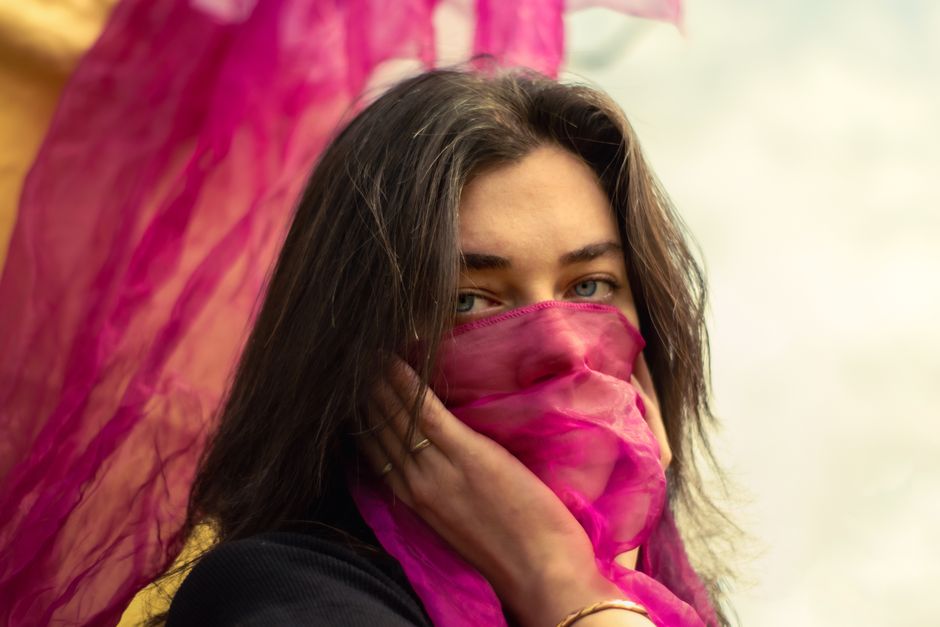
A plain shirt gives a silk neck scarf room to be noticed. The fabric catches the light, the print brings color close to your face, and a small knot can change the feeling of something you already wear often. Making a Silk Neck Scarf the Focus of a Plain Shirt starts with deciding how much scarf you want to show. From there, you can adjust the fold, the knot, and the shirt opening until the combination feels comfortable and looks intentional.
Give the scarf a simple background
Start with a solid shirt that sits comfortably across your shoulders and chest. White, cream, pale blue, navy, and soft gray all make useful backgrounds, but your favorite plain color can work just as well. Look for an uncluttered front. Decorative buttons, contrast stitching, chest embroidery, and ruffles can pull attention away from the silk.
A cotton button-down offers a pleasing contrast to a scarf’s smooth surface. Linen gives the combination a more relaxed feeling, while a plain, fluid blouse creates a softer overall effect. If the shirt has a sheen of its own, choose a scarf with a clearly visible print so the two fabrics remain visually distinct.
Check the shirt in a mirror before adding anything. Smooth a folded collar and make sure the button placket lies comfortably. A scarf can draw attention to the neckline, so this small adjustment helps the whole arrangement look settled.
Choose the part of the print you want to see
You see a scarf differently when it is spread flat and when it is folded around your neck. A large floral design may become a few broad strokes of color. A patterned border may turn into a continuous stripe. Before choosing a knot, fold the scarf loosely and hold it against the shirt to see what actually appears.
Use one color to connect the pieces
An easy starting point is a scarf containing some of the shirt’s color. A cream shirt with a cream-and-burgundy print feels connected even when the burgundy is vivid. A blue shirt can support a scarf with a little blue among green or rust shapes. The shared color gives your eye a place to rest.
You can also use contrast deliberately. A bright scarf against a dark shirt makes a clear focal point, while a softly colored scarf against a light shirt creates a quieter one. Neither requires matching your shoes or bag to the scarf. Let those pieces sit comfortably with the outfit as a whole.
Consider the folded size
A smaller silk square usually makes a compact neck detail with short ends. A larger square gives you more fabric for a loose knot or a longer drape, but it can become bulky if tightly rolled. Try folding before committing to a particular arrangement. You should be able to turn your head, swallow, and sit comfortably with the scarf in place.
Build a smooth fold without making it stiff
Lay a square scarf on a clean, dry surface with a corner pointing toward you. Fold opposite corners inward, then continue folding toward the middle until you have a band. Adjust its width to suit the amount of print you want visible. A narrow band looks crisp, while a broader fold shows more of the design.
Keep the folds gentle. Pulling hard can distort the fabric and make the edges curl. Before putting it on, turn the band over and compare both sides. Often one side reveals a more attractive section of the border or a better balance of colors.
If the silk is creased, follow its care label before pressing or steaming. Let it cool and dry fully before tying. There is no need to chase a perfectly rigid fold, since a little softness is part of the appeal.
Try two knots with different moods
A small side knot for a clear accent
Place the folded scarf around your neck with the ends toward the front. Cross them, bring one end through, and ease the knot into place. If the length allows, add a second loose crossing to help it hold. Slide the knot slightly off center, leaving enough space that the scarf rests easily.
Arrange the ends so a little of the print shows on each. They can point in slightly different directions without needing to be symmetrical. This works especially well when the scarf is compact and you want the shirt front to remain mostly visible.
A loose front knot for more visible silk
With a longer folded scarf, make a relaxed single knot below the base of your neck. Let the ends fall over the upper shirt front, then spread them gently so the design is readable. Leave the knot soft enough to keep the fabric from gathering into a hard lump.
Move around before deciding you are finished. If the ends repeatedly disappear into the shirt opening, shorten the drop or shift the knot slightly. If the scarf keeps slipping, try a different fold or a smaller square. Avoid tightening it against your neck just to make it stay.
Let the shirt opening frame the silk
For an open-neck button-down, settle the scarf where it can be seen between the collar points. Adjust the top buttons according to your coverage preference, checking that the opening stays comfortable when you sit. The scarf should have enough room to show without pushing the collar outward.
A buttoned shirt creates a more contained look. You can place a narrow scarf band beneath the collar and bring the ends forward, provided the collar still lies flat. If this feels crowded, return to an open neckline or use less fabric. Your comfort is a better guide than any rule about the correct way to wear a neck scarf.
Keep the rest of the outfit easy to read
Once the scarf is in place, choose the remaining pieces with its visual weight in mind. A patterned scarf already supplies movement near your face. Small earrings or a simple watch may be all the jewelry you want. Try the outfit without a necklace first so you can judge the scarf’s shape clearly.
- For everyday errands, pair a plain cotton shirt and compact scarf knot with straight jeans and comfortable flats.
- For a workday, wear a softly patterned scarf with a solid shirt and tailored trousers, keeping the scarf ends clear of the buttons.
- For lunch out, combine a fluid plain blouse with a loose scarf knot and a simple skirt, letting the silk provide the detail.
Make the final adjustment in motion
Take a step back from the mirror, then sit down and turn your head. Check that the knot stays comfortable, the collar lies naturally, and your favorite part of the print is visible. If the arrangement feels fussy, loosen the fold or shorten the ends. The most wearable version is one you can leave alone while you get on with your day.