
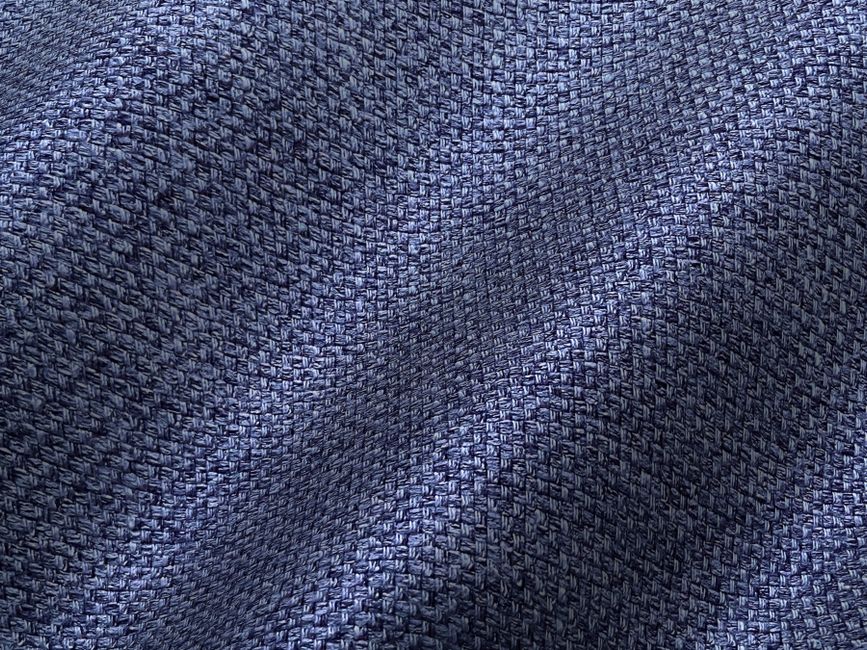
A jacquard dress brings something special to a winter dinner before you add a single accessory. Its woven pattern catches the light as you move, giving even a simple shape a sense of depth. The trick is to work with that texture while remembering what the evening involves. You will be travelling in cold weather, sitting through a meal, and adjusting to a warm room. A few considered choices let you enjoy the dress without spending dinner adjusting your outfit.
Start with the weave and how it behaves
Jacquard describes a way of weaving a pattern into fabric. It does not tell you the fibre content, weight, or warmth of a dress. One version may feel supple and light, while another holds a firm, sculptural shape. Look at the label and handle the fabric before deciding how much layering your outfit needs.
For a dinner setting, pay attention to the pattern in ordinary indoor light. A tonal floral can look quietly textured, while a contrasting motif or metallic thread feels more prominent. Neither needs a complicated outfit around it. Choose the effect you enjoy, then let the weave supply much of the evening detail.
Notice where the pattern lands
Large motifs can look different across seams, darts, and the centre front. Check whether a flower or geometric shape sits somewhere that draws attention you would prefer elsewhere. There is no rule about which pattern size suits which body. What matters is whether you like the placement when the dress is on you, including from the side.
Fit the dress for a seated evening
A structured jacquard can skim beautifully, but some versions have little give. Standing in front of a mirror only tells part of the story. Sit in a dining chair, lean forward slightly, and reach across as though passing a serving dish. The bodice should allow a full breath, and the waist should remain comfortable as your posture changes.
Look for pulling across the lap, a zip that ripples under tension, or armholes that dig in when you reach. These are reasons to reconsider the fit. A dress that feels easy at the start of the evening is a better companion for a long meal than one you hope will relax after wearing.
- Check that the skirt leaves room to sit without riding up excessively.
- Raise your arms gently to see whether the entire dress lifts with them.
- Try the dress with the undergarments you intend to wear.
- Walk and turn to check that a lining or back vent allows a natural stride.
If the overall fit works but one area needs attention, ask a tailor whether the construction permits an adjustment. Woven patterns can make alterations more involved, especially where a motif meets a seam. Discuss the finished appearance before committing.
Choose a shape that gives the texture room
Because jacquard already has visual presence, straightforward silhouettes are often easy to style. A gently shaped shift, a softly flared skirt, or a defined waist can each work. Choose according to how you want to move and feel, without treating any birthday as a reason to adopt a particular cut.
Consider how much structure you want around the table. A very full, firm skirt may spread across a narrow chair, while an extremely narrow skirt can restrict your stride. A little room through the hips often makes a substantial woven dress easier to wear through the entire evening.
Give sleeves a practical trial
Long, flared cuffs can trail near plates and glasses. If you love a dramatic sleeve, practise reaching with it before heading out. A bracelet-length or neatly finished sleeve offers another way to show the weave while keeping your hands free. With a sleeveless dress, plan an indoor layer you can comfortably keep on during dinner.
Build warmth without crowding the fabric
Start by deciding whether the dress needs an underlayer at all. A lined, substantial jacquard may already feel warm indoors. If extra warmth is helpful, try a smooth, fine layer with seams that sit flat. Check that its neckline stays where you want it and that its hem does not create a ridge beneath the dress.
Layering underneath works best when the dress has enough ease to accommodate it. A close-fitting armhole or narrow sleeve may feel restrictive with fabric beneath it. Try the complete combination before relying on it for a cold evening, and check your range of movement again.
For a removable indoor layer, a smooth wrap can sit comfortably over the shoulders without adding much structure. Watch for fringe, rough embellishments, or fastenings that could catch raised threads. Keep the wrap clear of your plate, and choose something you can fold beside you when you feel warm.
Use colour to make the outfit feel connected
Choose one colour already present in the dress as a starting point for the supporting pieces. A navy background might connect naturally with dark shoes and a simple bag. A bronze motif might suggest a warm brown accent. You do not need to reproduce every shade in the weave.
If the dress has a strong contrast, keep the surrounding colours relatively quiet. With a subtle, single-colour jacquard, you have room for a more noticeable accessory if you want one. View everything together from a little distance. That makes it easier to see whether the dress still holds your attention.
Keep accessories smooth around raised threads
Texture deserves a practical check as well as a visual one. Run your fingers gently over the edges of a bag clasp, bracelet, and ring setting. Anything that feels rough may snag a loosely woven motif when you tuck the bag under your arm or rest a hand against your skirt.
A plain leather clutch or compact bag gives your essentials a home without adding another busy surface. Check that its closure is easy to operate while you are seated. If you use a chain strap, notice where it rubs against the bodice and whether it catches the weave.
For jewellery, begin with one piece you genuinely want to wear, then assess the whole outfit. You may find the woven pattern provides all the additional decoration you need. There is no obligation to make every part of a dinner outfit equally dressy.
Check the whole outfit before leaving
Try your coat over the finished outfit and fasten it. The dress should have room beneath it, especially around a shaped skirt or textured sleeves. Put on your planned shoes and walk across the room, checking that the hem clears your feet and that you can manage any steps comfortably.
Finally, sit down once more with your bag and indoor layer nearby. This small rehearsal brings the outfit back to its purpose. You want to settle into your chair, enjoy the conversation, and let the jacquard’s woven detail do its work without needing your attention all evening.