
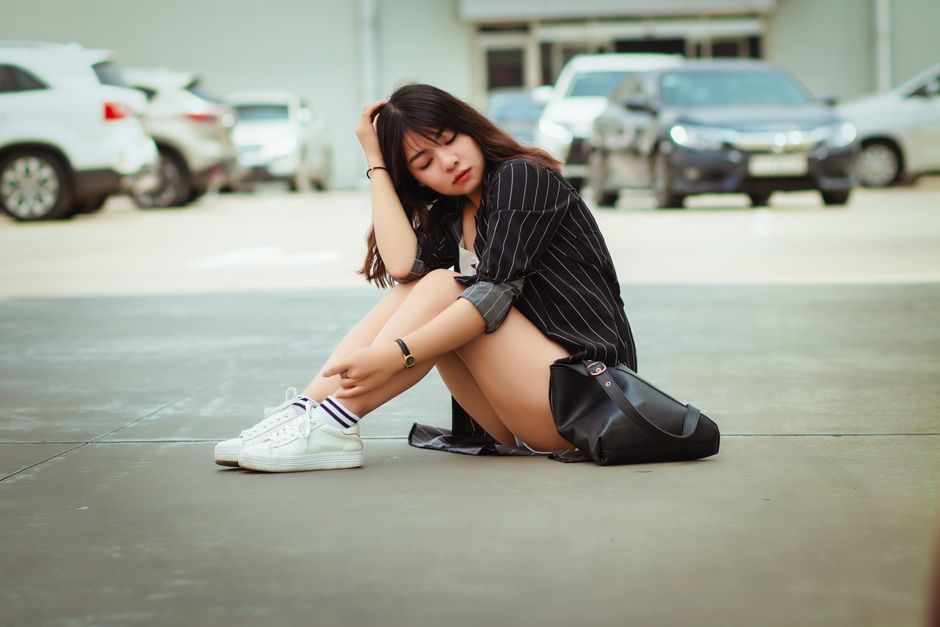
An oversized blazer should make an outfit look deliberate, not like you borrowed someone else’s jacket. The fix is simple: control the proportions underneath, around the waist, and at the hem.
Why oversized blazers make outfits look swallowed
The blazer is not the real problem. The problem is that too many loose lines compete at once. A broad shoulder, long sleeve, low hem, wide trouser, and bulky shoe can erase your shape from every angle. The outfit reads as one large block of fabric.
Volume needs one clear anchor
The eye needs one place to stop. With an oversized blazer, that anchor should usually be your legs, waist, or neckline. Show a narrow strip of ankle, wear a fitted knit under the jacket, or leave the front open over a simple column of clothing. You do not need tight clothes everywhere. You need one visible point of structure.
For most people, the easiest formula is an oversized blazer over a slim or straight base. Try a fitted ribbed tank, a fine-gauge T-shirt, or a tucked-in shirt with straight-leg jeans. The blazer supplies the width. The base supplies the direction.
Length changes the entire silhouette
A blazer that ends around the high hip creates a different outfit from one that reaches mid-thigh. If you are petite, start with a hem that sits around the upper thigh rather than the knee. That length keeps the jacket relaxed without making your legs look shorter. If you are taller, a longer hem can look sharp, but pair it with a visible ankle, a slim trouser, or a low-profile shoe.
Check the shoulder seam before anything else. It can sit slightly beyond your natural shoulder, but it should not fall halfway down your upper arm. If the sleeve covers most of your hand and the shoulder drops heavily, the blazer is oversized in the wrong way. The best oversized cut still has a clean frame.
How to balance an oversized blazer step by step
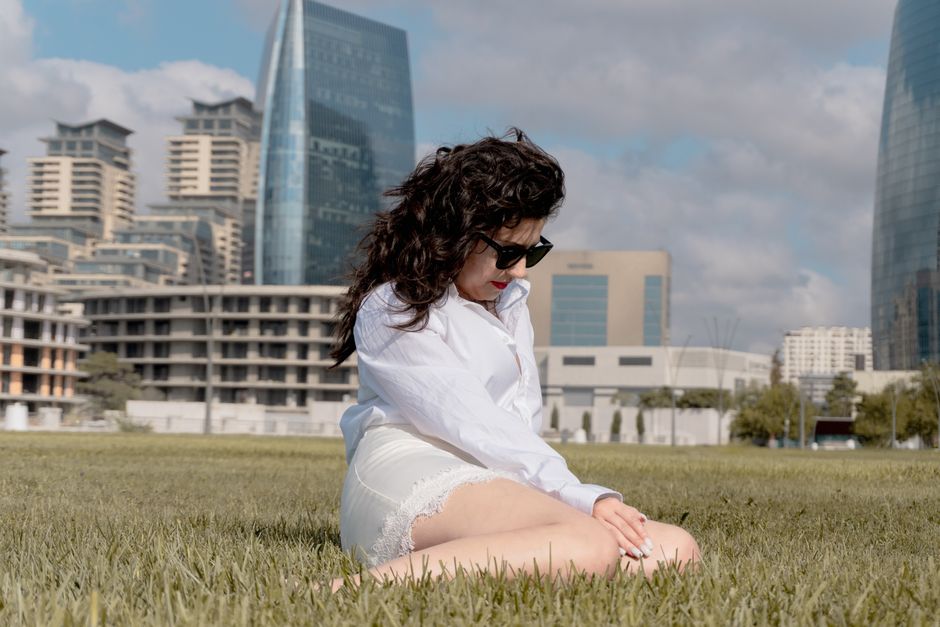
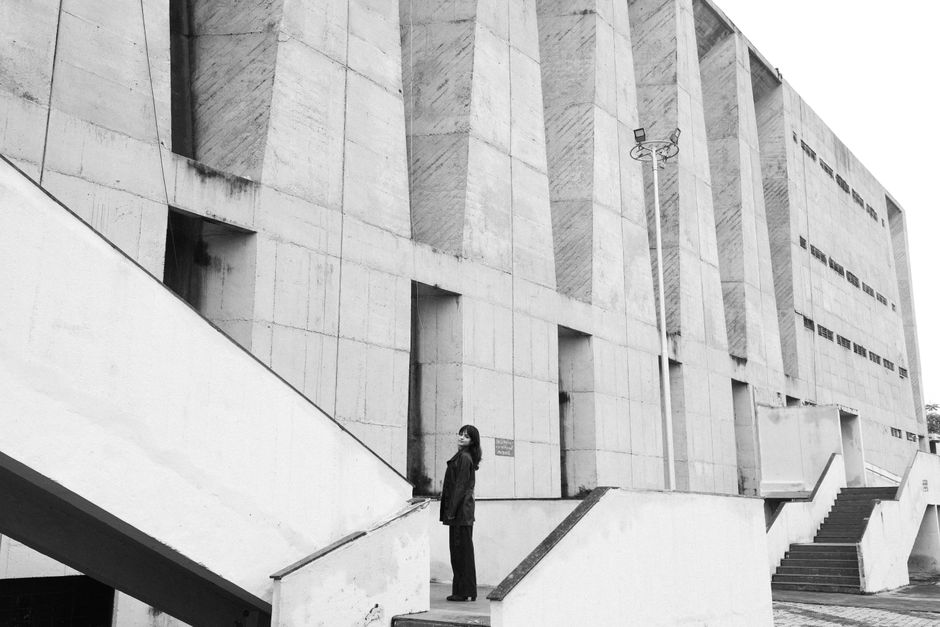
Use this order every time you get dressed. It removes the guesswork and stops the blazer from taking over the outfit.
Build the outfit from the inside out
- Start with a narrow base. Choose a fitted tee, bodysuit, tucked shirt, slim knit, or straight-leg trouser. A full loose outfit under a loose blazer usually looks heavy.
- Expose one vertical line. Leave the blazer open over a matching top and trouser, or wear a low-contrast outfit underneath. The uninterrupted line makes the body look longer.
- Choose the trouser hem before the shoes. A trouser that pools under a long blazer creates a messy lower half. Aim for a clean break at the shoe or a cropped hem that shows 3 to 6 cm of ankle.
- Add one waist signal. Tuck in the top, button only the middle button, or add a narrow belt. Do not cinch every loose layer. One waist signal is enough.
- Keep the bag compact. A huge tote beside a huge blazer adds another block of volume. A shoulder bag, small top-handle bag, or slim crossbody gives the outfit a sharper edge.
- Finish with a deliberate shoe. Loafers, pointed ankle boots, slim sneakers, or a low-profile ballet flat work well. Very chunky shoes can work, but then the trouser needs enough width to support them.
Use contrast instead of more accessories
If the jacket feels too large, do not pile on jewelry or scarves first. Change the contrast. Pair a charcoal blazer with a white fitted top, or wear a camel blazer over black from neck to ankle. Strong color separation gives the eye a clear outline.
Texture helps too. A smooth blazer over denim looks casual and crisp. A wool blazer over silk or a fine knit feels softer without becoming shapeless. Keep the textures different, but keep the number of competing details low.
Which oversized blazer fits work best?
The best buy for most wardrobes is a structured oversized blazer with a controlled shoulder and a single clean lapel. Extremely soft, unlined jackets look relaxed on a hanger but often collapse around the body. Compare the real fit before you worry about the label.
Use the cut to choose the styling strategy
| Blazer | Useful fit clue | Best styling move | Main tradeoff |
|---|---|---|---|
| COS Oversized Double-Breasted Blazer | Longer line and strong front overlap | Wear open over a slim top and straight denim | Double-breasted fronts can add width at the waist |
| ARKET Oversized Wool Blazer | Wool structure and a more tailored shoulder | Pair with a fine knit, cropped trouser, and loafers | Wool can look bulky with heavy layers underneath |
| & Other Stories Oversized Tailored Blazer | More shaped through the waist than a boxy cut | Wear buttoned with a narrow belt or tucked shirt | A shaped waist gives less room for thick sweaters |
| Mango Oversized Suit Blazer | Usually lighter and easier to wear as a separate | Use with a column of black or matching suit trousers | Light fabric may crease and lose its sharp edge |
My clear pick for the first blazer
Choose the & Other Stories Oversized Tailored Blazer if you want one jacket that works across office clothes, jeans, and dresses. Its shaped cut gives you room without removing every body line. Choose the ARKET Oversized Wool Blazer instead if warmth and a firm shoulder matter more than easy layering. The COS option wins for a longer, fashion-led silhouette, while the Mango blazer is the practical choice for testing the trend at a lower commitment.
What to wear with an oversized blazer for a clean shape
Pair the largest blazer with the simplest outfit underneath. This is the rule that saves most oversized-blazer outfits. A fitted black top, straight jeans, and clean shoes will look more polished than a complicated outfit with five competing layers.
Four combinations that rarely fail
- Blazer plus fitted top and straight jeans: Choose a high-rise jean with a hem that finishes just above or on the shoe. Tuck the top fully so the jacket does not hide every waist line.
- Blazer plus column dressing: Wear the same color from top to trouser, then add the blazer as the contrast layer. Black under camel, cream under navy, and grey under chocolate brown all create a longer line.
- Blazer plus slip dress: The clean, narrow dress balances a broad jacket. Keep the blazer open and push the sleeves to the forearm. This prevents the look from becoming too formal.
- Blazer plus shorts or a short skirt: Let the legs provide the contrast. The jacket can be long, but the lower half must stay visible. Add opaque tights if the outfit needs more coverage.
Common styling mistakes to remove
- Do not wear a long blazer over a long tunic and wide trousers unless you are intentionally creating a full-volume look.
- Do not roll sleeves into thick cuffs. Push them up lightly or fold once so the forearm remains visible.
- Do not buy a larger size to get an oversized effect. Buy the correct size in an oversized cut; the shoulder and sleeve will look cleaner.
- Do not hide the entire shoe under a dragging trouser hem. The shoe needs a visible shape.
The cleanest version usually has one oversized element, one fitted or straight element, and one visible skin break. That formula gives the jacket space without letting it erase you.
When should you skip an oversized blazer?
Should I buy one if every outfit already feels bulky?
No. Skip the oversized cut if your wardrobe is built around chunky sweaters, wide-leg trousers, and platform shoes. You will need to replace several pieces before the blazer works, and that is a poor reason to buy another trend item. A relaxed but shaped blazer will give you the same polished effect with less effort. Look for a shoulder that follows your body, a hem around the high hip, and sleeves that finish at the wrist bone.
What if I am petite?
Do not assume petite means fitted. You can wear an oversized blazer, but the hem and sleeve must be controlled. Try a length around the upper thigh, a single-breasted front, and a top tucked close to the body. Cropped trousers or a pointed shoe can show more leg and stop the jacket from lowering your visual center. The winner is not the smallest blazer. It is the blazer with the least wasted fabric.
When is a smaller blazer the smarter buy?
Choose a regular tailored blazer for interviews, formal events, or any outfit that already has a dramatic skirt or wide trouser. Choose a cropped jacket when your main goal is to define the waist. Choose a cardigan-jacket when comfort matters more than a sharp shoulder. Oversized blazers are useful because they add structure and ease, not because every outfit needs more volume.
So if you are standing in front of the mirror feeling swallowed, remove one loose layer, expose the ankle or waist, and open the jacket. The outfit will stop looking borrowed and start looking intentional.