
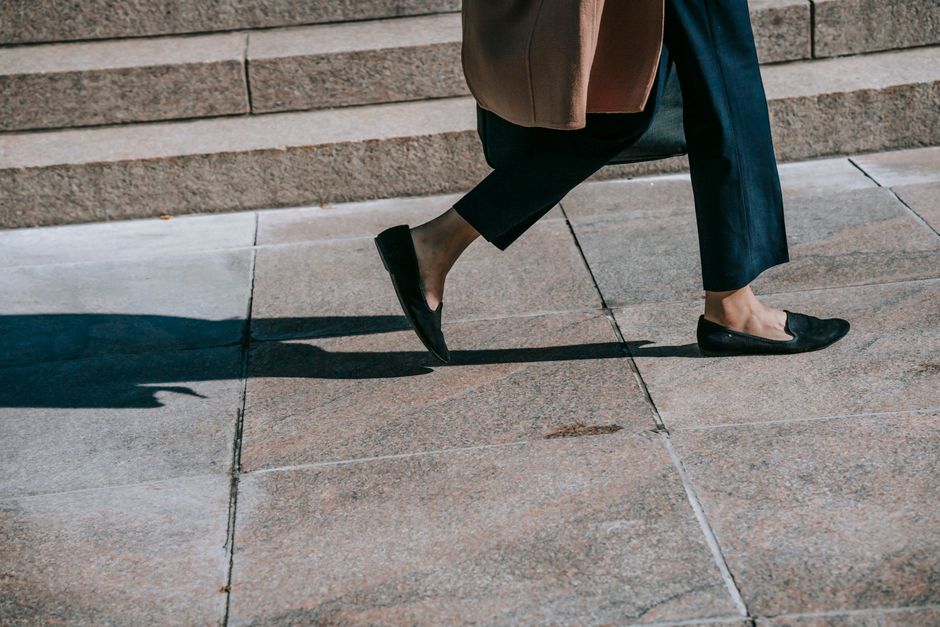
Cropped trousers can feel just right for spring until a bright morning turns breezy or a chilly start gives way to a warm afternoon. Choosing a pair that handles those shifts begins with the trousers themselves. Fabric weight, room through the leg, and how much lower leg you leave uncovered all affect comfort. Before you think about a complete outfit, consider where you spend your day and when you tend to feel cold. The most useful crop gives you enough coverage for your cooler hours while remaining comfortable when the sun comes out.
Choose for the coolest part of your actual day
A forecast offers a starting point, but your routine makes it meaningful. Walking through open streets early in the morning feels different from stepping straight into a car. A sunny lunch outside may be the warmest part of a day otherwise spent in a cool building. Think about the conditions you will experience for longest, including shade, wind, and indoor temperatures.
If you regularly feel chilled around your ankles, a crop ending close to the ankle may serve you better than a shorter style. If you run warm and spend most of your time indoors, you might enjoy a little more exposure. Comfort can change from day to day, so choose with your current preferences in mind. There is no age at which you need to show a particular amount of leg.
Feel the cloth before choosing the color
Look for a useful middle weight
Very thin trousers can look appealing on a warm shop floor yet feel insubstantial outdoors. Heavy, rigid fabric may become uncomfortable by lunchtime. A medium-weight cloth with some body is often a practical starting point for changeable spring days. Lift a section away from the rail and feel its thickness between your fingers. Notice whether it feels compact, airy, crisp, or soft.
Cotton twill can provide structure, while a lightweight wool blend may suit a more tailored wardrobe. A linen blend can offer a relaxed feel as the weather warms. These names alone cannot tell you how warm a garment will be. Weave, thickness, lining, and the particular blend all matter. Compare the actual trousers rather than assuming every pair made with the same fiber will behave alike.
Check what happens against the light
Hold the fabric up toward a light source to get a sense of how open the weave is. A loosely woven cloth may let more air through, which can be welcome in warmth and noticeable in a breeze. Then inspect the inside. A full lining can change the feel considerably, so try the trousers on long enough to judge the combination. Read the care label before deciding whether they fit your routine.
Use the amount of exposed leg as a comfort choice
Cropped trousers cover a broad range of lengths. Some finish just above the ankle, while others leave much of the lower calf uncovered. For unpredictable weather, starting with a longer crop usually gives you more flexibility. You can still enjoy the lighter spring feeling without leaving a large area exposed during the coldest part of your day.
Check the length while seated as well as standing. Trouser legs rise when you bend your knees, sometimes exposing considerably more skin than you expected. Sit in a chair, cross and uncross your legs if that is comfortable, and stand again. If the trousers feel too short for your usual commute or desk setup, look for a longer version before trying to solve everything with extra layers.
Let the leg shape help manage airflow
A straight or gently tapered leg can be a useful middle ground when temperatures vary. It leaves room to move while keeping the opening relatively contained. A broad, loose crop allows more air around the lower leg and may feel lovely in mild weather. On a windy morning, that same openness can feel chilly. Consider whether you enjoy that airy sensation before choosing a very wide silhouette.
A close-fitting pair deserves its own comfort check. Bend your knees and walk around, noticing any pulling behind the knee or across the thighs. Fabric that clings tightly may feel less comfortable as you warm up. A little stretch can help movement, but generous stretch does not automatically mean a good fit. The trousers should hang comfortably when you relax, without requiring you to keep adjusting them.
Try them with the coverage you will actually use
Bring or wear the footwear you reach for during cooler spring weather when trying on trousers. Closed shoes can make an exposed ankle feel more manageable, but individual comfort varies. If you usually wear socks, include them in the fitting. The aim is to find out whether you can walk, sit, and go about your day comfortably in the whole combination.
If you expect to wear a thin underlayer on particularly cool days, try it beneath the trousers before buying. Check that the legs slide freely and that the waistband still feels comfortable when seated. An underlayer can change the drape or become visible beneath a shorter crop. For frequent cold-weather use, choosing a slightly longer, more substantial pair may be the simpler answer.
Make adjustments that suit the fabric
A turn-up can offer a small length adjustment on casual trousers with enough spare fabric. Test it at home and walk around to see whether it stays in place. Thick fabric can form a bulky cuff, while soft, slippery cloth may unroll. Assess rolling with that particular garment. It should feel secure enough that you can forget about it once dressed.
If you plan to have trousers shortened, settle on the length after checking them seated and with your usual shoes. Follow the care instructions before alterations when appropriate, since laundering can affect fit. Ask a tailor how the existing taper or flare will look at the proposed length. Removing fabric can change the shape of the opening as well as the amount of leg exposed.
Give your shortlist a realistic final check
Before keeping a pair, spend a little time moving in them at home with the tags attached and within the return conditions. A mirror check is only part of the decision. Use these questions to connect the fit with the spring days you are dressing for.
- Does the fabric feel substantial enough for your usual cool mornings?
- Is the exposed area comfortable when you sit down?
- Can you walk and bend without the legs catching or pulling?
- Does your preferred cool-day coverage fit comfortably underneath?
- Will the care requirements work with how often you expect to wear them?
The right cropped trousers should earn their place through ordinary wear. Choose the pair that feels comfortable during your cooler hours, gives you room to move as the day warms, and works with clothes you already reach for. When the length and fabric suit your routine, getting dressed for a changeable spring morning becomes a much easier decision.