
A bandeau top and an open linen shirt make a lovely pairing when you want a light outfit with a little structure. The bandeau creates a simple horizontal neckline, while the shirt adds a collar, sleeves, and movement. Getting the combination right has less to do with showing a particular amount of skin than with choosing pieces that sit comfortably together. You can wear this look with your midriff covered, keep the shirt generously open, or let the fronts fall closer together. Start with a secure top, then build the outfit around how you actually move through your day.
Choose a bandeau that feels like a proper top
For everyday dressing, look for a bandeau with enough substance to hold its shape beneath the linen. A lined woven version, a firm stretch fabric, or a softly structured knit can give you a clear neckline without looking like an accidental glimpse of underwear. Check the fabric in daylight, especially if it stretches noticeably when worn. Ribbing and texture can add interest, but neither guarantees coverage.
Length makes a considerable difference. A longer bandeau that reaches your waistband gives you the strapless neckline without requiring a bare middle. A shorter version leaves more space between the top and your bottoms. Neither is the default: choose the relationship that feels comfortable when you sit as well as when you stand.
Check security before adding the shirt
Try the bandeau on by itself and raise your arms, reach forward, and sit down. Its upper edge should stay comfortably in place without digging in or needing repeated adjustments. If the fabric rolls, slips, or compresses uncomfortably, try another cut or size. An open shirt supplies coverage at the sides, but it cannot make an insecure bandeau fit properly.
If you want bust support, choose a bandeau designed to provide it or wear compatible strapless support underneath. Check both pieces together so their edges do not compete at the neckline. You should be able to take a full breath comfortably. There is no reason to tolerate pinching just to keep the top in position.
Give the linen shirt room to hang
The shirt works best when it falls freely from your shoulders rather than stretching across your upper arms or catching on the bandeau. Look for comfortable sleeve space and a shoulder line that feels relaxed. You do not need an extremely oversized shirt; excess fabric can bunch behind your arms and obscure the simple shape underneath.
Wear the shirt fully unbuttoned and let the fronts settle naturally. A collar that lies neatly and a button placket that hangs smoothly help the outfit feel deliberate. If the fronts constantly slide behind your shoulders, assess the fit and fabric before trying to arrange them into place. You want a shirt you can wear, not one you must keep repositioning.
Use shirt length to set the mood
A shirt ending around the upper hip gives the pairing a compact, everyday feel. A longer hem creates more movement and offers extra coverage over the seat. With either length, check the side view: the shirt should fall past the waistband without catching on bulky pockets or bunching over a belt.
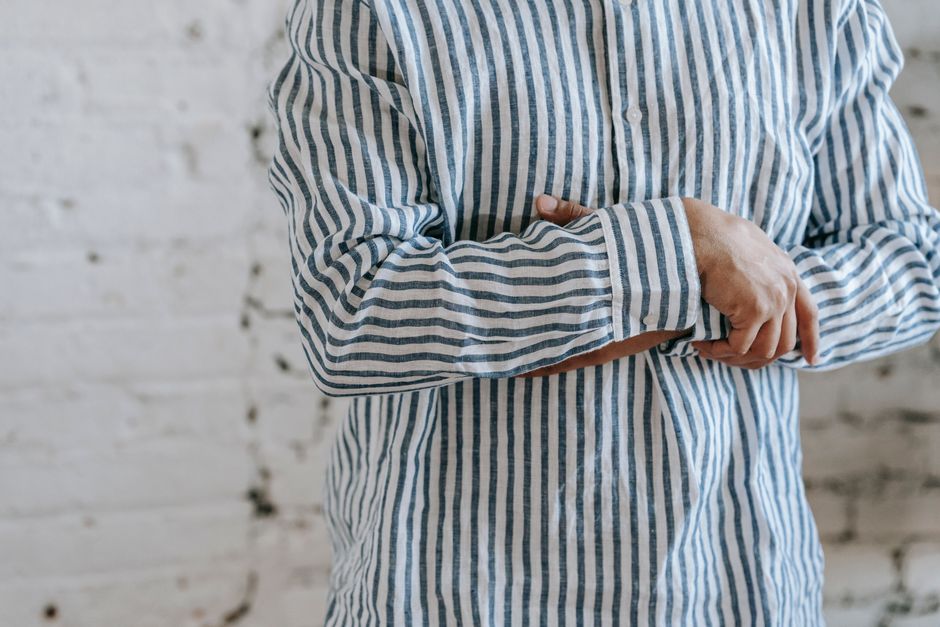
Leave the hem loose to preserve the open shape. If the shirt feels overwhelming, first try a shorter cut or turn back the cuffs to expose your wrists. Tying the fronts can draw attention to the waist, but it also pulls the panels inward and changes how much of the bandeau is visible. Treat that as a separate styling choice.
Decide how the bandeau meets the waistband
The small space between these two edges controls much of the outfit’s feel. For continuous coverage, pair a longer bandeau with bottoms that meet or slightly overlap it. Test that overlap while seated. A waistband that looks perfectly placed in the mirror may move when you bend or reach.
If you prefer a visible gap, keep it comfortable and intentional. The open shirt will frame that space, so there is no need to add another focal point at the waist. A smooth waistband usually works more easily here than a large buckle, gathered drawstring, or elaborate tie.
- For a clean line: choose flat-front trousers with a waistband that sits comfortably beneath the bandeau.
- For a relaxed feel: try straight cotton shorts with a neat fastening and enough room to sit.
- For softer movement: wear a simple skirt with a smooth upper section so the shirt can hang freely.
Let color clarify the layers
A tonal bandeau and shirt create a gentle effect, particularly if you are trying this neckline for the first time. Think cream with sandy beige or two related shades of blue. The difference in fabric gives the layers definition without requiring strong color contrast. Check pale pieces together in daylight so you are happy with their coverage.
A dark bandeau beneath a pale linen shirt makes the horizontal neckline more prominent. Repeat that dark shade in your trousers or skirt if you want the outfit to feel connected. Alternatively, a colored bandeau can be the single bright element among quiet separates. Keep the shirt plain so its open fronts frame the color clearly.
Build an outfit for the plans you have
For a casual lunch
Wear a substantial bandeau with straight cotton trousers and an open linen shirt that finishes around the hip. Add comfortable sandals and a small bag. This combination gives the strapless top an everyday context, especially when the bandeau meets the waistband. Turn the cuffs back loosely if you want a more relaxed finish, checking that the folds stay comfortable around your forearms.
For a relaxed evening
Choose a smooth bandeau, fluid trousers, and a linen shirt in related shades. Keep the collar settled and the sleeves either down or neatly folded. Simple earrings and streamlined shoes are enough to finish the outfit. The broad neckline already creates a strong shape, so you can leave the chest free of jewelry if a necklace feels distracting.
Make the finishing details work in motion
Try your bag with the complete outfit before leaving. A crossbody strap can pull one shirt panel across the bandeau, while a shoulder bag may make the shirt slip backward on that side. Adjust the strap or choose a handheld bag if either effect bothers you. Walk a few steps and reach into the bag to see how everything settles.
Finally, check the outfit with the shirt fronts moving apart. You should feel comfortable with the bandeau visible on its own, because a breeze or an ordinary reach can reveal it. Linen’s natural creases suit the relaxed pairing; focus on comfortable fit and secure coverage rather than keeping every fold perfectly smooth. Once those pieces are working together, you can enjoy the ease of the outfit without spending the day adjusting it.