
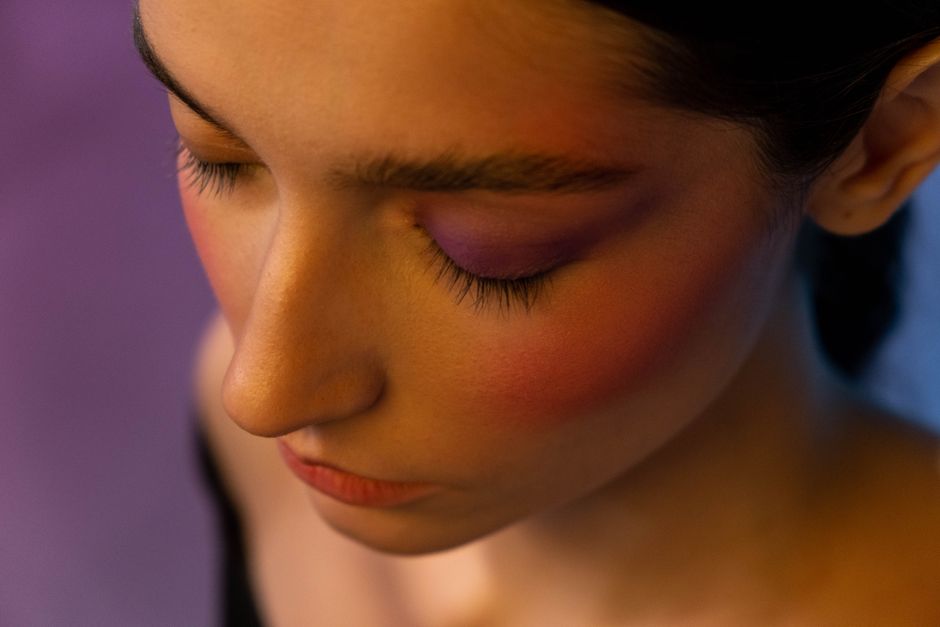
Cheek color can look fresh when you leave home, then seem to disappear between the warm walk to dinner and the first course. Heat, perspiration, skin oils, and the occasional touch of a hand can all disturb it. The answer is not necessarily a heavier application. For an evening outdoors or a room that gets stuffy, give your blush a comfortable surface, choose a finish that suits your cheeks, and plan a careful refresh. You can keep that fresh color without turning your makeup into a thick layer.
Plan for the warmest part of your evening
A breezy terrace, a crowded celebration, and a walk followed by an air-conditioned restaurant ask different things of your makeup. If you expect to perspire on the journey, allow time to cool down before making your final adjustments. Applying extra blush while your face is still hot can make it difficult to judge both the shade and the amount.
Notice your cheeks separately from the rest of your face. An oily forehead does not automatically mean your cheeks need an oil-absorbing finish. Your cheek area may feel dry even when your nose becomes shiny. Choose your approach by how the skin feels where the color will sit.
Give blush a settled base
Use your usual gentle skincare routine and give each layer time to settle before applying makeup. Moisturizer should leave your cheeks comfortable, without a slippery film. If the surface still feels slick, wait a little longer. You do not need to strip away moisture to improve wear; blush can catch unevenly on dry patches and become harder to refresh later.
If your evening starts in daylight, apply sunscreen according to its directions and allow it to settle before makeup. Makeup does not replace sun protection. Keep foundation or concealer over the cheeks as light as your desired coverage allows. A thick base gives you more material that can shift when you perspire or touch your face.
Primer is optional. If a familiar one helps your makeup sit comfortably, use it as directed. An important evening is not the ideal time to introduce several unfamiliar layers. Patch test new skincare or makeup before wider use, and stop using anything that causes irritation. Persistent redness, burning, or other skin problems deserve advice from a dermatologist.
Choose a texture that settles comfortably
The texture named on the packaging is only a starting point. Cream blush can feel almost weightless or remain quite emollient; liquid color may dry down or stay dewy. Powder can look soft and natural or become obvious when layered. What matters for a warm evening is whether the finished product stays comfortable and even on your cheeks.
When your cheeks become slick
A blush that sets to a less slippery finish may be easier to maintain. A softly matte powder or a cream or liquid labeled for longer wear can be worth considering, provided it feels comfortable. Follow the directions and avoid assuming that any texture is automatically sweatproof. Even a lasting formula can move when rubbed.
When your cheeks feel dry
A flexible cream or liquid may give you the finish you prefer. Let it settle before deciding whether it needs anything over it. Powder is not compulsory, especially if it makes your cheeks feel tight or emphasizes texture. Comfortable skin and a modest touch-up can be a better arrangement than trying to hold everything beneath a dry finish.
Build staying power with thin layers
Apply blush once your base has settled. Start with a small amount and use a clean tool suited to the formula. Pressing or lightly stippling color into place can disturb the underlying makeup less than repeated sweeping. Keep the blending gentle, especially if you are wearing coverage beneath the blush.
Check the result with your face relaxed. Color that looks balanced while you smile broadly may sit differently when you stop. Choose a placement you enjoy on your face rather than following a rigid rule about age. Keeping the edges soft helps the blush look intentional even if some of its intensity fades during the evening.
Before adding more, step back from the mirror. You want enough color to see at a normal conversational distance, without a concentrated patch. Starting much darker than you like in anticipation of fading can leave you uncomfortable with your makeup for the first part of the evening.
Add a second texture selectively
If you already enjoy cream blush, a light veil of a similar powder blush can sometimes make the color easier to maintain. Let the cream settle first, then press on a small amount of powder with a soft brush. Avoid scrubbing the two together. The aim is a thin supporting layer, not two full applications.
Try this combination on an ordinary day before relying on it for an event. Some formulas do not layer smoothly, and some cheeks look better with one texture. If the result becomes patchy or feels heavy, return to the single formula you prefer. Extra products are useful only when they improve the finish you actually wear.
Protect the color from friction
Once your blush is in place, leave it alone as much as possible. Resting your cheek in your palm, wiping away perspiration, or repeatedly brushing hair aside can gradually remove makeup. Keeping loose hair away from your cheeks may help you avoid those small, unconscious touches.
If you become warm, cool down before repairing anything. Move into shade or a cooler space when available. Gently press a clean tissue against perspiration rather than dragging it across your cheek. Lift it straight away, and use a fresh area for the next press. Give your skin time to feel dry before adding color.
Refresh only where color has faded
Your evening kit can be small: blush, its clean applicator, a mirror, and tissues. Look carefully before applying anything. Sometimes the color is still there and only the surface shine has changed. Adding blush automatically can make an otherwise balanced cheek look too strong.
- Press away moisture gently and allow your cheeks to dry.
- Find the area where color has actually faded.
- Add a tiny amount there and soften the border into the remaining blush.
- Step back and check both cheeks before repeating.
If foundation has lifted as well, resist covering it immediately with powder blush. Carefully soften the edge with a clean applicator first. If needed, replace a trace of your usual base just in that spot, allow it to settle, and then restore the color. Keep pressure light so the repair does not spread.
A little softening as the evening goes on can still look lovely. Aim for cheeks with an even suggestion of color that feel comfortable when you smile. Once you have found a texture and a light layering approach that work together, you can spend less of the evening checking your mirror and more of it enjoying your plans.