
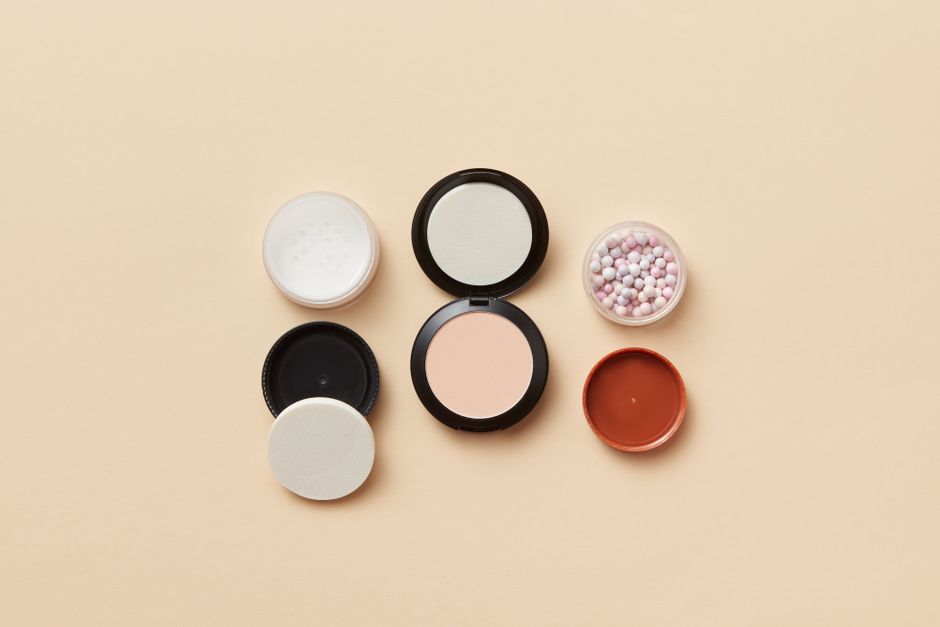
A shiny forehead can make otherwise fresh makeup feel ready for a redo, especially when your first instinct is to reach for the powder compact. But another layer can leave the surface looking heavier while the shine soon returns. Blotting gives you a more targeted way to freshen up: lift away some surface oil, pause, and decide whether anything else is needed. The aim is a comfortable forehead that still looks like skin, with your makeup kept as undisturbed as possible.
Look at the shine before touching it
Check your forehead in ordinary light, with your face relaxed. A little reflection across the curve of your forehead is normal. You do not need to remove every trace of it. Focus on the area that looks noticeably slick to you, which might be a small patch between your brows or a narrow strip above them, rather than treating your whole forehead automatically.
Also notice how the surface feels. If you have just come indoors from the heat and can see beads of perspiration, give yourself a moment to cool down. Gently absorb visible moisture with a clean, soft tissue before judging the remaining shine. Repeatedly working over warm, damp makeup can move it around and turn a small touch-up into a larger repair.
Choose a simple blotting material
Plain blotting papers designed for the face are convenient because you can press a small sheet exactly where you need it. For this particular job, choose papers without added powder. A powder-coated sheet makes it harder to tell how much product you are depositing, which defeats the purpose when you are trying to avoid buildup.
A clean, soft facial tissue is a useful alternative. Separate a layer if the tissue feels bulky, then fold it into a manageable pad. Avoid scented tissues if your skin is sensitive, and skip rough paper towels or anything that feels scratchy. Whatever you choose should feel comfortable against your skin without requiring rubbing.
- Keep fresh sheets or tissues in a clean, dry packet.
- Wash and dry your hands before touching your face when practical.
- Use a fresh section for each area instead of pressing an oily section back onto your skin.
- Discard used paper rather than saving it for another touch-up.
Press, lift, and reassess
The useful movement is a gentle press followed by a straight lift. Lay the paper flat against the shiny patch, hold it briefly with light fingertip pressure, then lift it away. You are giving the material contact with the surface oil. You are not trying to polish the skin or push through your foundation.
Work in small sections
Start where the shine is most obvious. Move to an untouched section of the sheet before pressing the next patch. Along the hairline, use the edge of a folded tissue or a smaller part of the blotting sheet so you can reach the skin without dragging it through your hair. Keep the pressure gentle around your brows, where rubbing can disturb brow makeup.
Stop before the forehead looks completely flat
After a light pass, lower your hands and check the result. If the strongest reflection has softened and your makeup still looks even, you may be finished. A completely matte forehead is not a requirement for a polished face. Leaving a little natural sheen can also make the finish look more consistent with the rest of your skin.
If one small area remains slick, press that spot again with clean material. Avoid repeating the entire process across areas that already look comfortable. The amount of oil visible on the paper is not a target to beat; the appearance and comfort of your skin are better stopping points.
Keep foundation repairs separate from oil removal
A little color may transfer onto blotting paper even with a light touch. If you see an obvious bare patch afterward, resist sweeping foundation across your whole forehead. First check whether the patch is noticeable at a normal conversational distance. A close mirror can make a tiny variation seem much more important than it is.
When a repair is useful, tap a very small amount of your usual complexion product onto the affected spot with a clean fingertip or suitable clean applicator. Blend just the edge. Let it settle before deciding whether it needs anything further. Covering an already even area adds product without solving the original shine.
If your foundation keeps lifting in the same place, ease the pressure and try a softer blotting material next time. Also consider whether you are touching up before your makeup has settled. Change one part of the process at a time so you can identify what helps.
Make powder an optional finishing step
Blotting does not have to be followed by powder. Check the result first, particularly if you like a satin finish or your forehead has dry areas alongside oily ones. This is especially helpful when fine lines or uneven texture become more visible as makeup accumulates during the day.
If you still want a softer finish, use a small, clean brush with a trace of your usual face powder. Remove the excess from the brush, then lightly press it onto the remaining shiny spot. Avoid automatically sweeping it from temple to temple. A powder that looks subtle in a thin layer can look obvious when repeatedly added over the same makeup.
If the surface already looks powdery, adding more is unlikely to improve it. Put the compact away and leave the area alone for now. Trying to correct every change immediately often creates more work than allowing a little texture and shine to remain.
Adjust the habit to your day
For a workday touch-up, keep the routine brief: check, press, lift, then look again. Before dinner, inspect your forehead once you have cooled down from travelling. For photographs, assess your makeup in the available light instead of assuming that every reflection needs covering. Different lighting can make the same finish appear softer or shinier.
You can also notice patterns without turning your routine into a complicated project. Perhaps shine gathers where your fringe rests, or you tend to rub your forehead while concentrating. Keeping hair comfortably away from that area and reducing unnecessary touching may help your makeup stay tidier.
Keep the skin underneath comfortable
Do not respond to midday shine by scrubbing your forehead or repeatedly using strong cleansing products. Keep skincare gentle, and patch test new products before using them broadly. If blotting causes stinging, redness, or discomfort, stop. Persistent irritation, troublesome oiliness, or recurring breakouts are reasons to speak with a dermatologist rather than keep adding touch-up steps.
A successful refresh can be almost uneventful: a clean sheet, a few careful presses, and makeup that feels lighter because you have added little or nothing. Once the distracting shine has softened, close the mirror and carry on with your day.