
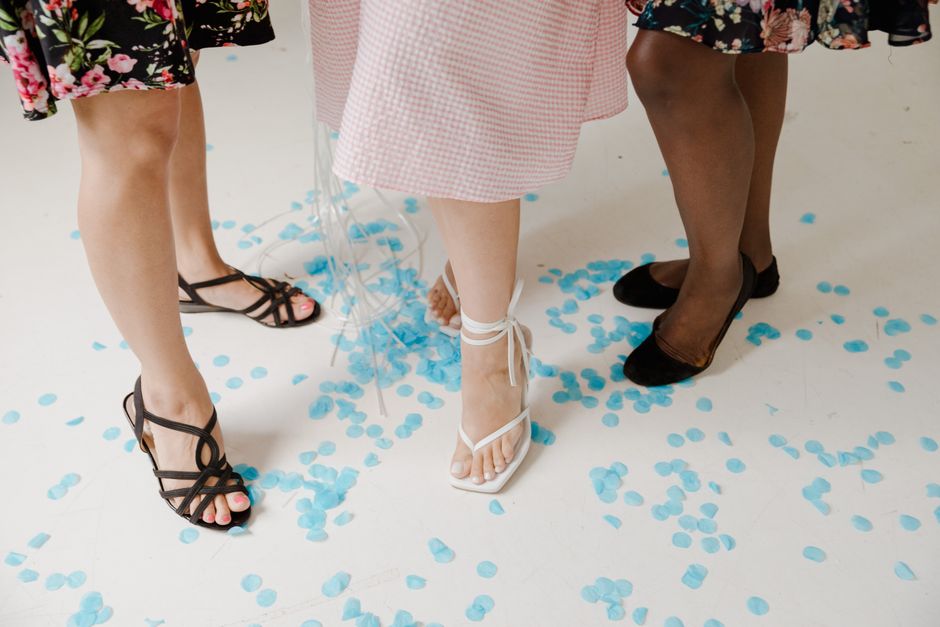
A wide strap can give a summer sandal a clean, confident look, but extra coverage alone does not mean your foot will stay comfortably in place. The useful question is what happens when you walk: does your heel follow the sole, do your toes stay relaxed, and do the straps hold without pinching? Choosing a Wide-Strap Sandal for Secure Summer Walking starts with those everyday details. Whether your plans involve errands, a leisurely lunch, or exploring a few unfamiliar streets, a careful fitting can help you choose a pair you enjoy wearing beyond the shop mirror.
Decide what your summer walking actually involves
Start with the outing you expect to repeat most often. A short walk from the car to a restaurant asks something different of a sandal than an afternoon moving between shops. Think about your usual surfaces, how long you expect to be on your feet, and whether your route includes slopes or uneven paving.
A sandal can suit ordinary pavement without being appropriate for every summer adventure. For rough trails or activities that require protective footwear, choose shoes designed for that purpose. This keeps the decision practical: you are looking for a sandal that matches your real day, with a shape and finish that fit your wardrobe.
Look at where the wide straps sit
Strap width is only one part of the design. A broad band across the front of the foot may spread contact over a larger area, yet still leave the heel moving independently. Another sandal might combine a wide front strap with an adjustable strap around the back, giving you more ways to refine the fit.
Check the front edge and side openings
The front strap should sit comfortably across your foot without pressing into the toe joints or catching the toes as they bend. Pay attention to its edges. A soft-looking upper can still have a stiff seam underneath, and a decorative fold may create a pressure point you cannot see from above.
Look at the gaps beside the strap, too. Your little toe should not repeatedly slip through an opening or catch against the edge. If the strap looks generous but your foot bulges around it, try a different width or shape. Extra length is rarely a useful solution to a sandal that is too narrow.
Give the heel something to follow
For sustained walking, consider a design with a back strap that helps the sandal travel with your foot. Check that it rests comfortably around the heel instead of rubbing against a sensitive spot. It should not drop down with each step or need to be pulled so tightly that it digs in.
An ankle strap can provide another point of adjustment, but its presence does not guarantee a secure fit. Notice whether the front of your foot still slides even when the ankle feels firmly held. The straps need to work together; tightening one area cannot always correct looseness somewhere else.
Fit the footbed before adjusting the buckles
Stand in both sandals and look down before walking. Your heels and toes should sit within the edges of the footbed, with enough room that they do not spill over as you move. A large empty border is not necessarily better: if the sandal is too long, its straps may land in the wrong places.
Check the width through the middle as well as at the toes. Your foot should rest on the intended surface rather than on a raised rim. If the sandal has a shaped footbed, any contours should feel comfortably placed beneath your own foot. A noticeable ridge pressing in an awkward spot is a reason to try another shape.
Fit both feet individually. One may need a slightly different strap setting, and that is fine. Choose based on the foot that needs more room while making sure the other remains secure. The size printed inside is a starting point, not a promise that every design will fit alike.
Use adjustment to fine-tune, not force, the fit
Adjustable front and back straps are useful because they let you change the fit in separate areas. Start with a comfortable setting, stand up, and walk before making small changes. Aim for steady contact without squeezing. You should not need to brace your toes to stop the sandal escaping.
Inspect how the fastening works in your hands. A buckle should be manageable to open and close, and a fastening tab should have enough overlap to hold as intended. Check that a loose strap end will not brush the ground or catch the opposite sandal. These details matter when you put your shoes on every morning.
If possible, try sandals after you have been moving around, when your feet may feel fuller than they did first thing. Leave yourself some adjustment room for ordinary changes in comfort through the day. A sandal that fits only at its tightest or loosest possible setting offers less flexibility.
Walk with your attention on movement
A seated fitting tells you very little about how a sandal behaves under your weight. Walk around the permitted fitting area at your usual pace. Take a few turns and stop naturally. If there is a safe, designated ramp, use it to notice whether your foot slides forward.
- Relax your toes. Notice any urge to curl or grip them to keep the sandal on.
- Watch the heel. Check for repeated sideways movement or a back strap that slips down.
- Feel the strap edges. Look for rubbing, pinching, or pressure that increases as you walk.
- Notice your stride. You should not need shorter, careful steps simply to control the shoe.
- Check again after stopping. Your foot should still sit comfortably within the footbed.
Do not dismiss a clear pressure point because the material might soften. Some uppers become more flexible with wear, but that does not make an unsuitable strap position or footbed shape right for you. If a pair causes pain or numbness during the fitting, take it off and try something else.
Consider the sole as well as the softness
A cushioned first impression can be appealing, especially on a hard shop floor. Still, notice whether you feel steady when standing and turning. Very soft padding, a heavy sole, or a raised platform may feel different once you start moving. Choose the combination that lets you walk comfortably and naturally.
Look underneath for an intact outsole with a defined surface texture. Appearance alone cannot establish how well it will grip, particularly on wet ground. Read the manufacturer’s intended-use information, and avoid treating any everyday sandal as slip-proof. Smooth indoor floors and damp paving deserve care regardless of the shoe.
Let the look follow the fit
Once a pair passes the walking checks, consider how its broad straps relate to clothes you already wear. A simple finish can sit easily with linen trousers, cotton skirts, and relaxed dresses. If you prefer visible stitching or substantial buckles, let those details provide the interest without needing matching hardware elsewhere.
Before keeping the sandals, repeat your walking check indoors on a clean surface, following the return conditions. Try them with a familiar summer outfit and give yourself time to notice any rubbing. The pair worth choosing is the one that feels secure while your attention moves back to your day.