
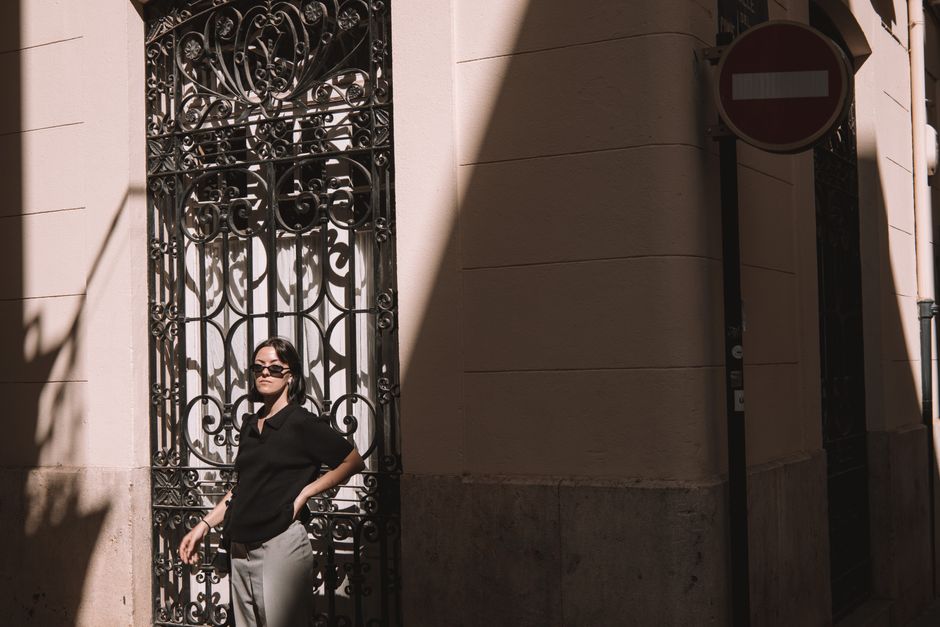
A knit polo can make casual spring dressing feel pleasantly straightforward. The collar gives it definition, while the knitted body keeps it softer than a crisp shirt. With familiar jeans or easy trousers, it looks considered without asking much of you. Choosing the right one comes down to a few practical details: the feel of the yarn, the way the opening sits, and how the hem behaves when you move. Start there, and you can find a top that suits your everyday clothes and your everyday comfort.
Decide where it belongs in your week
Think about the occasions when you would reach for a polo. Perhaps you want something for errands that also feels right for lunch, or a relaxed top for afternoons out. Picture an actual day, including whether you tend to feel warm indoors. A lightweight short-sleeved knit may be more useful than a substantial long-sleeved version, even when the morning starts cool.
Choose a familiar pair of bottoms as your reference. If you usually wear jeans, check how the polo sits over their waistband. If you prefer soft trousers, notice whether the knit hangs comfortably against them. The best choice should work with clothes you already own, without requiring a collection of new pieces to make sense.
Examine the knit as well as the label
Cotton can be a comfortable starting point, but the fiber name does not tell you everything. A dense cotton knit can feel substantial, while a lighter construction may feel easier on mild afternoons. Linen blends sometimes have an uneven surface that adds relaxed texture. A light wool blend may suit cooler days if you enjoy its feel against your skin.
Lift the garment and notice its weight and drape. A fluid knit may follow your shape closely; a firmer knit may hold a more distinct outline. Neither is automatically better. Choose according to how you want the top to sit, and consider whether you will enjoy that fabric during several hours of ordinary wear.
Check coverage in good light
Fine stitches can become more open where the fabric stretches. Try the polo with the undergarments you normally wear, checking across the bust and upper back. Look in useful light rather than relying entirely on a dim fitting room. If the top needs an extra layer that would make you too warm, a denser construction may be the simpler option.
Try the collar and opening properly
The collar is the defining feature, so see how it behaves on your body. A softer collar may form a gentle curve, while a firmer one keeps a clearer outline. Check that the points rest in a way you like and that the back feels comfortable against your neck. You should not need to keep arranging it.
On a buttoned polo, fasten the opening as you expect to wear it. The edges should sit comfortably without twisting or pulling apart. On a buttonless design, check the depth when you lean forward. Move your shoulders and sit down, too. A neckline that feels secure standing still should also work when you are going about your day.
Choose coverage for your own comfort. There is no particular neckline you need to adopt because of your age. A shorter opening may feel tidy and secure; a deeper one may create the relaxed effect you enjoy. Working buttons offer flexibility if you like to adjust the opening.
Look for comfortable movement through the body
A knit polo needs enough room to settle naturally. Look for fabric that skims where you want ease rather than pulling into horizontal lines or catching above your waistband. Compare another size if necessary, but assess the whole top. More room through the bust is only helpful if the neckline and armholes still sit comfortably.
Raise your arms, reach forward, and sit down. Notice whether the garment falls back into place when you stand. Repeated tugging in the fitting room is useful information. A different cut may serve you better than assuming the fit will become less noticeable once you are wearing it at home.
Give sleeve cuffs a separate check
Ribbed cuffs can grip more firmly than the rest of the sleeve. Bend your elbows and check for digging or creeping upward. If you prefer longer upper-arm coverage, choose a sleeve that stays comfortable as you move. A wider opening may feel airy; a closer opening creates a tidier outline. Let comfort guide the decision.
Notice where the hem settles
A ribbed bottom band often encourages a polo to sit near the waist, allowing some fabric to gather softly above it. A straight hem usually hangs more freely. Try both if possible. This construction detail can change the fit more than simply choosing a longer version of the same shape.
If a band rides upward or grips where you want ease, extra length may only add fabric above it. For an untucked polo, check the side view as well as the front. If you prefer wearing tops tucked in, test the knit inside your waistband. A thick ribbed edge can feel bulky even when the body is lightweight.
Choose color and detail with your wardrobe in mind
A solid shade lets the collar and knitted texture do most of the work. Look for a color that already pairs easily with several bottoms, whether navy, cream, muted green, or a warm earthy tone. Hold it near your face in good light and decide whether you enjoy the effect.
Contrast edging, decorative buttons, and pronounced ribbing give a polo more presence. Choose the detail you like most and consider whether the others support it. With a patterned version, look at how the pattern meets the opening and spreads across the body. You want to enjoy the complete garment, rather than one appealing section.
Make the final choice in a complete outfit
Before removing the tags, try your polo with familiar jeans and casual shoes. Then add the light jacket you usually wear in spring. Check that the collar rests comfortably and the sleeves fit underneath without bunching. Read the care label and consider whether the washing and drying requirements suit your routine. The polo that earns its place is the one you can put on, move in comfortably, and reach for again without much deliberation.