
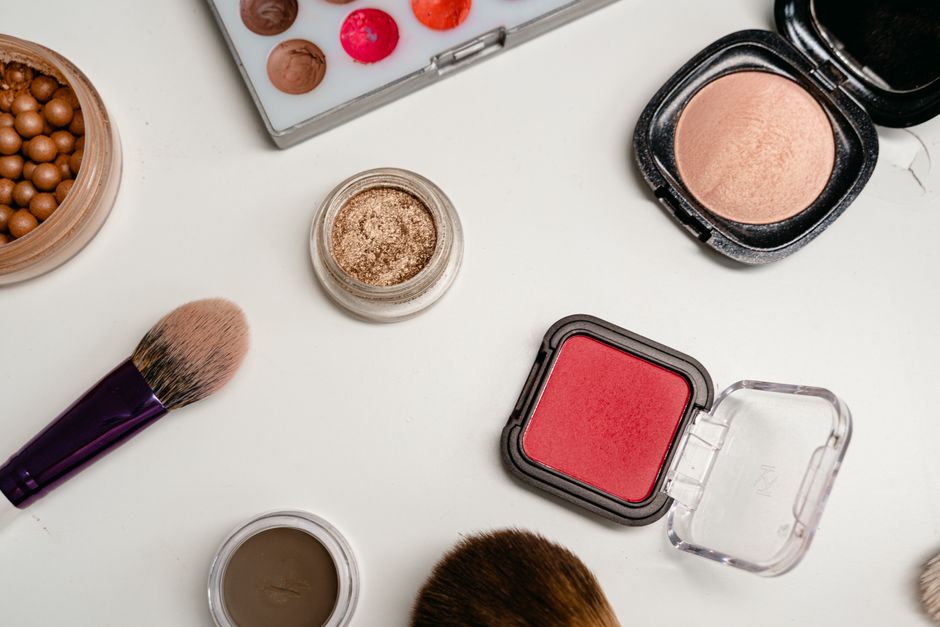
A small flat brush gives you a useful kind of control when applying cream eye color. Its broad face places a soft patch of pigment, while its narrow edge helps you reach smaller areas without covering more skin than you intended. You can build a simple wash with a few careful presses, then soften the outline. The technique is easy to practice, and it works just as well when your goal is a barely visible tint as when you want a more noticeable lid color.
Applying Cream Eye Color With a Small Flat Brush
Think of this as a placement technique. The brush puts color where you want it before you make any finishing adjustments. You do not need several shadows or an elaborate eye design to learn the movements. Start with one cream color intended for the eye area, a clean brush, and a mirror. A shade that is easy to distinguish from your skin will help you see what each press deposits.
Find a comfortable brush shape
Choose a small flat head with smooth bristles and a softly rounded end. Synthetic bristles are a practical option for cream textures. The brush should fit comfortably within the area you want to cover, without extending beyond it every time you press. A little flexibility is helpful: the bristles should bend gently rather than feel rigid or scratchy against your skin.
Try pressing the brush against the back of your clean hand. The bristles should flex together and spring back into shape when lifted. If they splay widely, precise placement may be difficult. If they hardly bend at all, you may find yourself using unnecessary pressure. Choose a handle length that lets you keep your hand steady without bumping the mirror.
Make the lid easy to reach
Sit in even light and support your elbow on a stable surface. Position the mirror slightly below eye level, then look down into it with your forehead relaxed. This often gives you a clearer view of the movable lid without pulling at the skin. Keep your grip comfortable and hold the handle far enough back that you can make light, controlled movements.
Begin with clean hands and a clean, dry brush. Follow the eye color’s directions, and patch test an unfamiliar formula according to its instructions before using it near your eyes. Let your usual eye-area skincare settle before applying makeup. Avoid makeup on broken or irritated skin. If a product stings, remove it gently and stop using it; see a dermatologist for persistent eyelid skin problems.
Pick up less cream than you expect to need
Touch one broad side of the brush lightly to the product. Aim for a thin coating on the surface of the bristles, without a lump balanced on the tip. If your shadow comes in a pot, skim the surface rather than digging into it. If it comes in a stick, use the brush to collect color only if the product instructions allow that method.
Press the loaded face once onto the back of your clean hand. This shows you how strongly the color deposits and helps distribute it across the brush. A thick mark with raised edges suggests you have picked up too much. Remove some excess before approaching your lid. You can always reload the brush after assessing the first application.
- The broad face places color over the main part of the lid.
- The narrow edge gives you control near smaller boundaries.
- The rounded tip helps finish a small section without making a long stroke.
Begin with gentle presses at the center
Place the broad face almost flat against the central part of your movable lid, leaving some space above the lashes. Press lightly, lift the brush, and move a short distance before pressing again. Small overlapping touches distribute the cream without pulling a heavy stripe from one side of the eye to the other.
Use what remains on the brush to expand that first patch. Move toward the outer part of the lid, then work toward the inner portion with a lighter touch. Pause before collecting more product. The first brush load may be enough for a sheer finish, especially if you have a small amount of visible lid space.
Work with the surface as it sits
If you have fine lines or folds, shorten each movement and reduce the pressure. There is no need to stretch the lid taut to make it look perfectly smooth during application. Adjust your gaze slightly to reach a section hidden by a fold, then relax your eye again to assess it. The useful result is an even impression of color when your face is at rest.
Turn the brush for smaller areas
Rotate the handle so the narrow edge faces the area you want to reach. With very little color left on the bristles, make short touches toward the inner lid. Keep clear of the tear duct. You can leave the innermost corner bare if that is more comfortable or suits the shape you want.
Near the lashes, look down and approach slowly with the edge of the brush. Keep the cream on the external lid skin, away from the waterline and the eye itself. Do not force product between the lashes. At the outer corner, use the rounded tip for a small finishing touch, then look straight ahead before deciding whether to extend the color.
Soften the border without spreading the shape
Wipe excess cream from the brush onto a clean tissue. Use a clean section of the bristles to tap lightly along the upper outline. If needed, follow with tiny strokes directed inward toward the colored area. This softens the boundary while keeping the overall shape close to the placement you chose.
Respect the formula’s working time. If the cream begins to set and the brush starts skipping, stop brushing that section. Repeated rubbing can disturb the surface. While the product is still workable, a light press with the broad face may soften a visible brush track. Make one adjustment, lift the brush, and check before touching it again.
Judge the result with your eyes open
Look straight into the mirror with your eyebrows relaxed. Compare the visible color on each eye rather than trying to copy identical hand movements. Your lids may have different shapes, so a small adjustment on one side can make the overall effect feel more balanced. Add another thin layer only where you want more color.
Cap the shadow promptly and clean the brush after use so dried cream does not stiffen the bristles. Next time, return to the same uncomplicated rhythm: collect a little, press it into place, turn the brush for the smaller spaces, and soften the outline. With those movements, a small flat brush becomes a practical way to make your eye color feel intentional and easy to manage.