
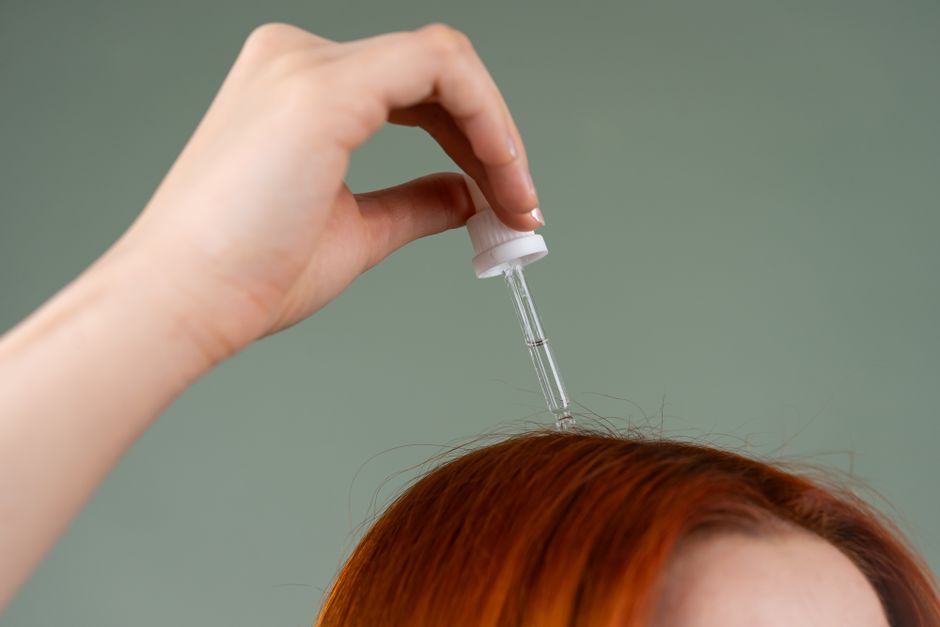
A scalp scrub can sound like the answer when your roots feel coated or your usual wash leaves you wanting a fresher finish. But the word scrub can encourage exactly the wrong approach: more pressure, more friction, and another round of rubbing. Choosing a Scalp Scrub Without Abrasive Rubbing starts with a different question: can this formula do its job with very little handling? The best choice for your routine should be easy to apply, straightforward to rinse, and comfortable enough that you never feel tempted to scour your scalp clean.
Decide whether you need an extra step
Before buying anything, consider what you are trying to remove. A coated feeling after several applications of styling products is different from soreness, persistent itching, or flakes that keep returning. A cosmetic scrub is not a way to diagnose or treat a scalp condition. If your scalp is painful, broken, inflamed, or persistently troublesome, leave exfoliation aside and see a dermatologist.
For an otherwise comfortable scalp, first check whether your ordinary shampoo is reaching the skin and rinsing away fully. Dense hair, hurried application, and leftover cleanser can make a wash feel incomplete. A slower, more deliberate wash may be all you need. A scrub is an optional product, not a requirement for clean hair or a polished hairstyle.
Look past the word scrub on the packaging
Scalp scrubs vary considerably. Some contain particles intended to provide physical exfoliation. Others combine cleansing ingredients with exfoliating acids, and some include both. A creamy texture or a gentle-sounding name does not tell you how the formula will behave. Read the directions and ingredient information before deciding where it belongs in your wash routine.
Be cautious with particles
If avoiding abrasive rubbing is your priority, a particle-free formula may be simpler to manage. With a grainy scrub, you still need to spread the product and rinse the particles out, which can invite repeated handling. Fine grains are not an automatic guarantee of gentleness, and larger grains are not proof of better cleansing. You do not need to feel a gritty scrape for a wash to be effective.
If you prefer a granular formula, look for clear instructions that call for light application and explain how to rinse it out. Skip products whose appeal depends on vigorous massage. Avoid homemade mixtures of kitchen ingredients: their texture and suitability for your scalp can be difficult to judge, and adding more oil or grains can complicate rinsing.
Do not assume particle-free means irritation-free
An exfoliating liquid or gel can reduce the need for friction, but it can still irritate. Ingredients such as salicylic acid are used in some scalp formulas; their presence does not make a product suitable for everyone. Follow its warnings and contact time, and do not extend the application because you want a more noticeable result.
Choose something specifically intended for the scalp rather than repurposing a facial peel. If you already use a prescribed scalp treatment or a medicated shampoo, ask your dermatologist or pharmacist before adding an exfoliant. The useful question is whether the products fit together, not whether each one sounds appealing on its own.
Choose packaging that helps you reach the skin
Application matters as much as texture. A narrow nozzle can help place a suitable formula between sections of hair, while a wide jar may encourage you to scoop out more than you can distribute comfortably. Check whether the product goes onto a wet or dry scalp and whether it replaces shampoo or comes before it. Instructions should make that sequence clear.
Think about your hair as it is now. If it has become finer or your part looks wider, direct placement may help keep excess product off the lengths. With thick, curly, or tightly coiled hair, access and rinsing deserve particular attention. Choose a format you can apply in manageable sections without pulling at roots or repeatedly working through tangles.
Read for comfort, not a dramatic sensation
A cooling tingle, strong scent, or squeaky finish can make a product feel busy, but none is necessary for cleanliness. If fragranced products tend to bother you, consider a fragrance-free option. Botanical extracts and essential oils can also cause reactions; natural wording on a label does not establish that a formula will suit sensitive skin.
Patch test a new product according to its instructions before using it across your scalp. A comfortable patch test cannot guarantee that every later application will be trouble-free, so pay attention during use too. Burning, stinging, or increasing itch is a reason to rinse the product away and stop, not a signal that it is working.
Use a light-touch application
Once you have chosen a suitable product, let the directions set the amount, timing, and sequence. Set yourself up so you can reach your scalp without rushing. Detangle beforehand if that suits your hair and normal routine; trying to untangle hair while distributing a scrub can turn a gentle step into a tugging session.
- Separate the hair into a few manageable sections, using your fingers without pulling tightly.
- Place the directed amount on the scalp rather than coating the hair lengths.
- If massage is instructed, use the pads of your fingers with minimal pressure. Keep nails away from the skin.
- Observe the stated contact time. Do not add extra rubbing while you wait.
- Rinse thoroughly with comfortably warm water, gently opening sections so water reaches the skin.
A scalp brush is not needed to make this step count. Pairing textured bristles with a scrub can add more friction than you intended. If you cannot spread or remove a formula without repeated scrubbing, treat that as useful feedback about the product. Your scalp should not have to tolerate harder handling to accommodate your purchase.
Make rinsing part of your buying decision
A formula that feels pleasant in your hand can still be awkward in your hair. Watch for particles caught near the roots, a persistent film, or lengths that need extensive detangling afterward. These are practical reasons to reconsider it. Avoid answering difficult rinsing with hotter water, scratching, or another generous scoop of cleanser.
Follow the label about shampooing afterward, then condition your lengths as you normally would. If you color your hair, check for relevant cautions and follow your colorist’s aftercare advice before introducing a new scalp product. Do not experiment on a scalp that already feels tender after a salon appointment.
Let your scalp decide whether it stays
Start conservatively within the label’s guidance rather than building an automatic exfoliation schedule. Introduce one new scalp product at a time so you can judge how it feels. There is no need to increase frequency simply because some product remains in the container. If tightness, tenderness, or irritation develops, stop using it; seek a dermatologist’s advice for persistent problems.
A worthwhile scalp scrub earns its place by making your routine easy and comfortable. You should be able to apply it gently, rinse it away without a struggle, and move on to styling without lingering discomfort. If an ordinary wash already gives you that result, you have no extra step to add. The goal is a cared-for scalp, with no scrubbing contest required.