
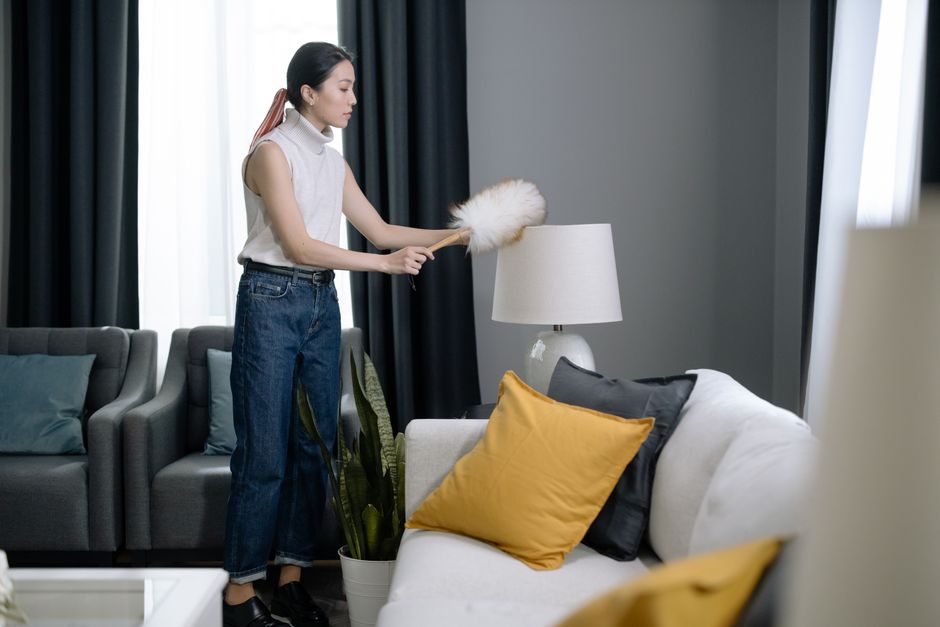
A long cotton duster brings movement to straight trousers, turning a simple top and pants into an outfit that feels considered. The appeal is in the pairing: the duster moves as you walk, while the trousers keep a steady shape underneath. Getting dressed becomes easier when you pay attention to how those pieces hang together. You do not need heels, a tightly defined waist, or a particular body shape to make it work. Start with comfortable trousers, then choose a duster that opens cleanly over them.
Start with trousers that hang freely
Straight trousers should fall from the hip without clinging through the thigh or opening dramatically toward the hem. That consistent width gives a long duster something calm to frame. Try your trousers with the underwear and shoes you expect to wear, and check the front, side, and back. Pockets that pull open or fabric that catches behind the knees can interrupt the line before you even add your outer layer.
Choose enough room to sit and walk comfortably. A flat front can look crisp beneath an open duster, but soft pleats can work too if they settle rather than spread. The useful question is whether the trousers fall back into place after you move. If you keep smoothing them down, try a different size or cut before changing the rest of the outfit.
Look for cotton with the right amount of body
Cotton dusters vary from soft, shirtlike layers to firmer woven styles with more structure. A very light version can flutter around the legs; a denser weave may hold its sides away from the trousers. Neither is automatically better. For this combination, look for fabric that falls in broad folds instead of bunching into narrow ones against your hips.
Check the shoulder and upper sleeve first. You should be able to reach forward without the back pulling tight. Then let your arms rest and see whether the front edges hang comfortably. A dropped shoulder can feel relaxed, but excess fabric under the arms may make the whole layer feel cumbersome. Useful ease lets you move without repeatedly rearranging the garment.
Test how the fabrics behave together
Try the actual pieces together rather than judging each on its hanger. Some cotton surfaces catch against textured trousers, especially around the seat. Walk across the room, turn, and sit briefly. If the duster rides up and stays there, a smoother trouser fabric may help. Also check that large trouser pockets or bulky pocket contents do not push the duster outward.
Give the two hems a clear relationship
A long duster and straight trousers create two visible finishing points. When both hems stop at almost the same place, the lower half can look crowded, particularly with a substantial shoe. A duster ending around the calf with trousers continuing toward the foot often makes the relationship easier to read. Treat that as a starting point, then adjust for your own clothes.
If your duster reaches close to the ankle, try trousers that extend visibly below it and remain clear of the ground. Side openings can reveal the trouser shape as you walk, which helps a very long layer feel less enclosing. Check the view from the side as well as the front: the back hem should not catch beneath your heel or brush steps.
You can also wear ankle-length straight trousers. In that case, make sure the duster does not conceal the trouser hem completely when you stand still. Seeing where the pants finish helps the outfit look deliberate. There is no need to expose skin if you prefer coverage; a simple closed shoe can continue the line.
Keep the top underneath easy to see
An open duster creates a frame around your top and trousers. A plain tee, a smooth sleeveless shell, or a fine cotton knit lets that frame stay clear. Choose a top that sits comfortably beneath the duster sleeves and does not gather at the armholes. If the outer layer has a collar, a simple neckline underneath usually gives it space.
The top’s hem matters because it appears between the open fronts. A top ending near the trouser waistband creates a clear transition without requiring a tuck. A longer top can work when it falls smoothly, but check whether its hem forms an extra horizontal band across the hips. If that band distracts you, try a shorter top before adding accessories.
Choose definition that feels comfortable
You can leave the duster open and let the waistband remain visible, or use its own tie loosely if the garment was designed for one. With a tie, check that the front panels still fall easily below it. Pulling them tightly together can create bunching over straight trousers. An open front is a complete styling choice on its own; a belt is optional.
Use color to connect the long layers
For an easy first outfit, wear a top and trousers in related shades beneath a contrasting duster. A cream top with light stone trousers and an olive cotton duster gives the eye a continuous center. The shades need not match exactly. A little variation in texture can keep the combination interesting while the long outer layer supplies the shape.
You can reverse that arrangement with dark trousers and a dark top under a pale duster. If you prefer a printed duster, pick one color from its pattern for the trousers. Keep the top quiet enough that the print remains readable. This is especially useful with a long garment, where a pattern already has plenty of space to make an impression.
Choose finishing pieces that cooperate with the duster
Simple shoes let the moving cotton hem remain the main feature. Flat sandals, understated sneakers, or low closed shoes can all work, depending on your plans. Put them on before deciding whether the outfit needs adjusting. A shoe with a heavier shape may call for a slightly longer trouser hem, while a lighter shoe can suit a visible ankle-length finish.
Carry your usual bag during the final check. A shoulder strap can trap the duster’s front panel or pull a soft shoulder out of place. Reposition the strap so the fabric hangs freely, and avoid stuffing the duster pockets if that distorts its sides. A small pair of earrings or a simple pendant is often enough beside the long opening.
Make one outfit, then change its mood
- For a relaxed lunch: Pair an olive duster with stone straight trousers, a cream tee, and secure flat sandals. Leave the front open so the lighter center stays visible.
- For a casual workplace: Wear a navy cotton duster over gray straight trousers and a smooth pale top. Add closed shoes and check that the sleeves stay clear of your hands.
- For an informal evening: Try a pale duster over black straight trousers and a simple black shell. Small earrings and a compact bag give the outfit a quieter finish.
Before heading out, walk, sit, and climb a step in the full outfit. Free any fabric caught under your bag, check that both hems clear your shoes, and let the duster settle naturally. When the trousers hang comfortably and the cotton moves without tangling around them, the combination has all the polish it needs.