
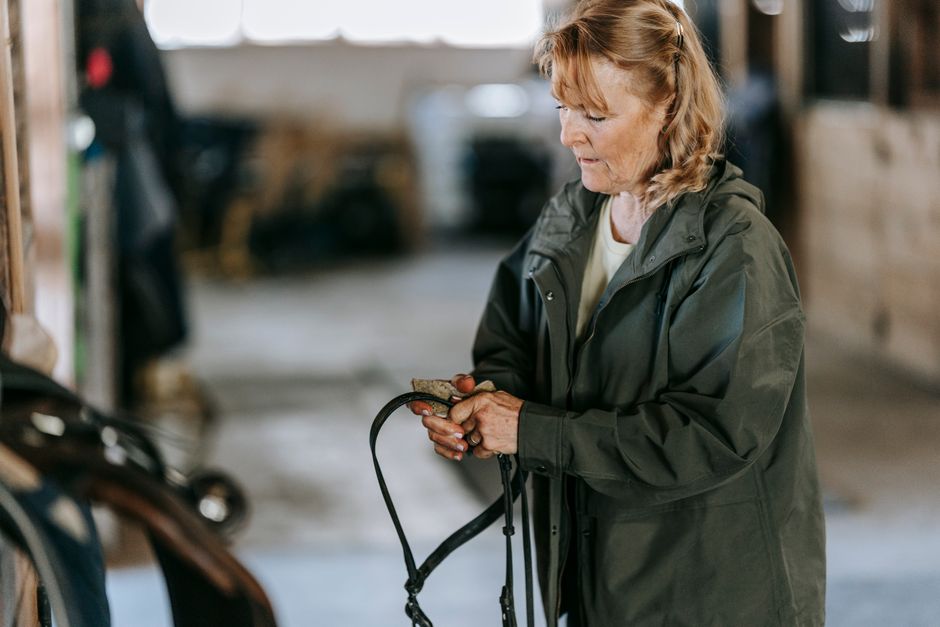
A barn jacket makes sense for the autumn days that involve a little of everything: browsing a market, walking through a park, stopping for lunch, and carrying home more than you expected. Its appeal lies in practical details, from generous pockets to a collar that feels comfortable against a light breeze. Choosing one well means looking beyond its outdoorsy charm. The right version should suit your usual layers, let you move freely, and feel like an easy extension of the clothes you already wear.
Start with the outings you actually take
Before comparing colors or collars, picture where your jacket will spend most of its time. A morning spent walking calls for different features from an afternoon moving between the car, shops, and a café. Think about how warm you become when active, whether you carry a bag, and how often you sit down while still wearing your outer layer.
For short errands, a lighter jacket may be enough. For slower outdoor outings, a lined version can feel more comfortable. If your plans regularly include exposed paths or damp benches, pay closer attention to coverage and the fabric description. Choose for your ordinary Saturday, rather than an imagined country weekend that bears little resemblance to your life.
Recognize the details that make it a barn jacket
Barn jackets commonly combine a straightforward, slightly boxy shape with sturdy fabric, useful pockets, and a contrasting collar, often in corduroy. Some have simple button fronts; others include snaps, zippers, or additional lining. You do not need every traditional detail for the jacket to have that relaxed, practical character.
Look at which features appeal to you individually. A dark collar can frame your face and disguise everyday handling marks, while a softer collar may feel better when turned up. Large patch pockets create a distinctive look, but their position matters more than their number. A jacket with fewer, well-placed details can be just as useful.
Choose fabric by feel, weight, and upkeep
Cotton canvas and twill
Canvas often has a firm, substantial feel, while twill can have a more flexible drape, depending on its weight and finish. Handle the actual garment when possible. Bend an elbow, gather a little fabric in your hand, and notice whether it feels comfortably structured or simply stiff. A substantial jacket can look appealing on a hanger yet feel cumbersome during a long outing.
Read the care label before buying. Do not assume every cotton jacket can go through your usual wash cycle. Linings, trims, and surface treatments may require different care, and a jacket that needs more attention than you want to give it may become the one you rarely reach for.
Waxed finishes and linings
A waxed finish offers a different surface feel and may need specialist care or periodic maintenance according to the maker’s instructions. Check the stated weather protection rather than treating the appearance as a promise. A barn jacket is not automatically waterproof. For a wet forecast, choose outerwear specifically described as suitable for those conditions.
With a lined jacket, feel inside the sleeves as well as the body. Smooth sleeve linings can make it easier to slide the jacket over knitwear. Extra insulation adds warmth but also changes how much room you need and how easily the jacket folds over your arm indoors.
Check the fit with your normal autumn layer
Try the jacket over the type of sweater or sweatshirt you expect to wear most often. Testing it over a thin top alone can hide tightness through the upper arms or back. Fasten the front fully, then let your arms hang naturally. The jacket should settle without pulling across the chest or pushing the collar away from your neck.
A relaxed shape does not require an exaggerated size. Shoulder seams may sit at your shoulder or slightly beyond it by design, but the sleeves should still let your hands work freely. If sizing up solves chest tightness while leaving everything else unwieldy, another cut may suit you better.
- Reach forward as though holding a steering wheel and notice tension across your back.
- Bend both elbows to check sleeve comfort over your chosen layer.
- Sit down with the jacket fastened and see whether the hem rides up or the front presses into you.
- Raise your hands toward a shelf and check how easily the jacket settles afterward.
- Try the fastenings yourself, including any small snaps or stiff buttonholes.
Find a hem and pocket position that work together
A shorter barn jacket can feel convenient for frequent sitting, while a longer version gives more coverage when standing outdoors. Check where the hem lands on your own body. If it catches at your hips, bunches behind you, or restricts your stride when closed, its length and width may be working against each other.
Pockets deserve a proper trial. Put your hands inside and see whether your shoulders remain relaxed. An opening that looks generous may sit too high or too far toward the side to use comfortably. If you like keeping your phone in a jacket pocket, check that it fits securely without making the front sag.
Separate hand pockets from storage needs in your mind. A flap pocket may hold small essentials but feel awkward for resting your hands. Avoid loading every pocket during a fitting; instead, try the few things you would genuinely carry. The jacket should hang comfortably with that modest weight.
Choose color with your everyday trousers in mind
Earthy shades suit the barn jacket’s practical character, but the best color is the one that works with your existing clothes. Bring a familiar pair of jeans or trousers into the decision. Brown can look rich beside blue denim, olive can work with washed black, and navy offers an easy starting point if your wardrobe already contains cool neutrals.
Consider the collar as a separate color choice. Strong contrast draws attention upward and makes the jacket feel more distinctive. A closer match between collar and body gives a quieter effect. Hold the jacket near your face in natural light if possible, especially if you are deciding between two similar shades.
Make the final decision in a complete everyday outfit
For the last try-on, add the shoes and bag you use for casual outings. A familiar combination such as straight trousers, a soft sweater, and comfortable walking shoes gives you a realistic view. Check whether your bag strap stays on the shoulder and whether it presses uncomfortably against a pocket flap or bulky seam.
Then walk, sit, fasten the jacket, and use its pockets once more. You should be able to picture leaving the house in it without adjusting your whole wardrobe around the purchase. A comfortable collar, manageable weight, and room to move will matter every time you wear it. When those details feel right, the barn jacket can become the layer waiting by the door for your next autumn outing.