
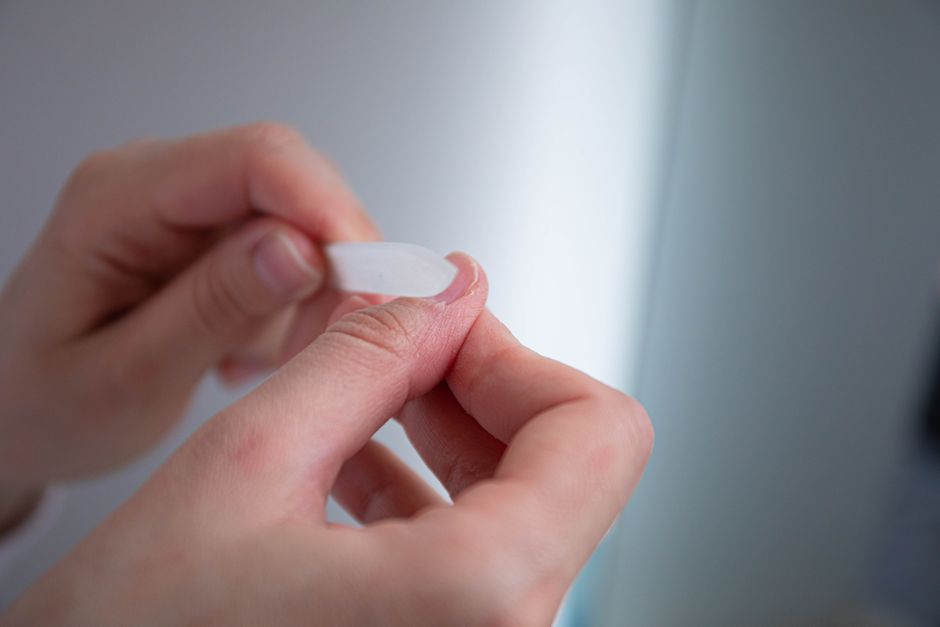
A sweater cuff catching on a rough bit of skin can be the first sign that your cuticles need a little extra attention. As the air gets drier, the edges around your nails may feel tight, look ragged, or tempt you to pick at them while you read or watch television. Keeping Cuticles Comfortable as the Air Gets Drier starts with a modest goal: making that delicate area feel settled again. You do not need perfectly bare nail beds or an elaborate manicure routine. A few gentle habits, repeated at useful moments, can make everyday tasks more comfortable.
Leave the protective edge in place
What we casually call the cuticle often includes both the thin tissue attached to the nail plate and the living skin bordering the nail. You do not need to identify every part to care for it gently. The important distinction is between moisturizing a rough edge and trying to remove everything that makes the nail border visible.
A neat manicure does not require cutting away the skin at the base of each nail. Avoid trimming that attached border, digging beneath it, or pushing it back forcefully. When the area already feels dry or tender, even a familiar manicure step can become uncomfortable. Let softness and comfort guide you instead of aiming for a completely smooth, invisible rim.
Make washing gentler on the nail edges
Keep washing your hands whenever hygiene calls for it, but pay attention to how you wash and dry them. Choose comfortably lukewarm water rather than very hot water. Work cleanser over your hands without deliberately scrubbing the nail borders with a brush. Rinse thoroughly so that cleanser does not remain tucked into the small folds beside your nails.
Afterward, pat your hands dry with a soft towel, including the spaces between your fingers. Avoid dragging a textured towel back and forth over a snagged edge. Once your hands are dry, apply moisturizer around the nails as well as across the hands. This small placement detail is easy to miss when you are rushing.
Use existing pauses as reminders
You are more likely to remember cuticle care when it belongs to something you already do. Keep your moisturizer where you finish drying your hands, or apply it after your evening face wash. There is no need to create a rigid schedule. Start with one dependable moment and add another if your nail edges still feel tight during the day.
Choose simple moisture, then apply it precisely
A plain, fragrance-free cream or ointment is a sensible starting point for dry nail borders. You may already have something suitable in your bathroom. Rather than buying several specialized products, check whether a moisturizer you tolerate feels comfortable on this area. Fragrance and elaborate scent blends add little to the practical job of softening a dry edge.
Place a small amount beside each nail and spread it gently around the base and sides with the pad of another finger. Use light strokes, without pressing into the fold or lifting the skin. The aim is to coat the surface, not to work product underneath it. Let it settle before handling fabric or touching a screen.
Patch test a new product on a small area of intact skin before wider use, following its directions. Stop using it if you notice irritation. Broken or visibly inflamed skin needs more caution than ordinary dryness, so avoid experimenting with new fragranced treatments or strong cosmetic ingredients there.
Where a cuticle oil fits
If you enjoy using a cuticle oil, treat it as an optional way to soften the area. A tiny amount is usually easier to manage than a generous drop on every finger. Spread it around the nail border and avoid flooding the nail folds. Skip it if it stings, leaves you itchy, or makes your fingers too slippery for the task ahead.
You do not have to layer oil, cream, and ointment every time. Choose a texture you will actually use. For evening care, a small dab of plain ointment over dry, intact nail borders may feel comfortable. During the day, a cream that settles readily may fit your routine better.
Reduce the catching, pulling, and picking
Dry edges often become most bothersome when they catch on knitwear, towels, or bedding. The urge to pull off the loose bit is understandable, but tugging can tear attached skin. Pause before reaching for it. Apply moisturizer, then look at the area in good light rather than trying to fix it by feel.
If there is a clearly loose, dead hangnail, you can carefully clip only that free piece with a clean, sharp personal tool. Do not cut into attached skin or chase the edge down the side of the nail. If you cannot see a safe place to clip, leave it alone. A sore spot is a reason to stop grooming.
- Keep nail tools clean, dry, and for your own use.
- Avoid biting the skin around your nails or pulling it with your teeth.
- Keep a moisturizer within reach of the chair where you tend to pick.
- Choose smooth towel surfaces when rough fabric keeps catching the same finger.
Protect your hands during wet chores
Dishwashing, cleaning, and repeated rinsing can leave the nail borders feeling uncomfortable. Wear suitable household gloves for wet chores and follow the cleaning product’s handling instructions. The gloves should allow easy finger movement without pinching across your knuckles or rubbing around your nails.
Start with dry hands and check that the glove interiors are dry, too. If they become damp inside, take them off when it is safe to do so and let your hands and the gloves dry. For longer tasks, comfortable cotton liners may help if they fit without making the gloves tight. Change damp liners rather than leaving them against your skin.
Let your manicure accommodate dry skin
When the nail borders feel tender, postpone cuticle pushing, soaking, and trimming. If you visit a salon, explain that you want the surrounding skin left alone. You can still enjoy tidy nails without aggressive work around their bases. Ask the person doing your manicure to stop any step that stings or pulls.
Keep polish remover off the surrounding skin as much as practical, and follow the remover’s directions. After removal, wash as directed and moisturize the nail borders. Do not scrub away every trace of color from a sore fold. If polish application or removal repeatedly irritates the area, give that part of your routine a break.
Notice when extra care is needed
Ordinary dry edges should not be treated as something you must groom through at any cost. Persistent cracking, repeated soreness, or irritation that keeps returning deserves advice from a dermatologist. Seek medical care promptly for increasing redness, warmth, swelling, pus, or significant pain. Avoid covering an irritated area with cosmetic products while trying to disguise it.
For everyday comfort, finish your evening by checking the nail borders, gently applying a familiar moisturizer, and leaving them alone. The next morning, notice how they feel when you button a blouse or pull on a soft knit. Comfortable cuticles can look natural, with their protective edges still visible. That is a perfectly polished place to stop.