
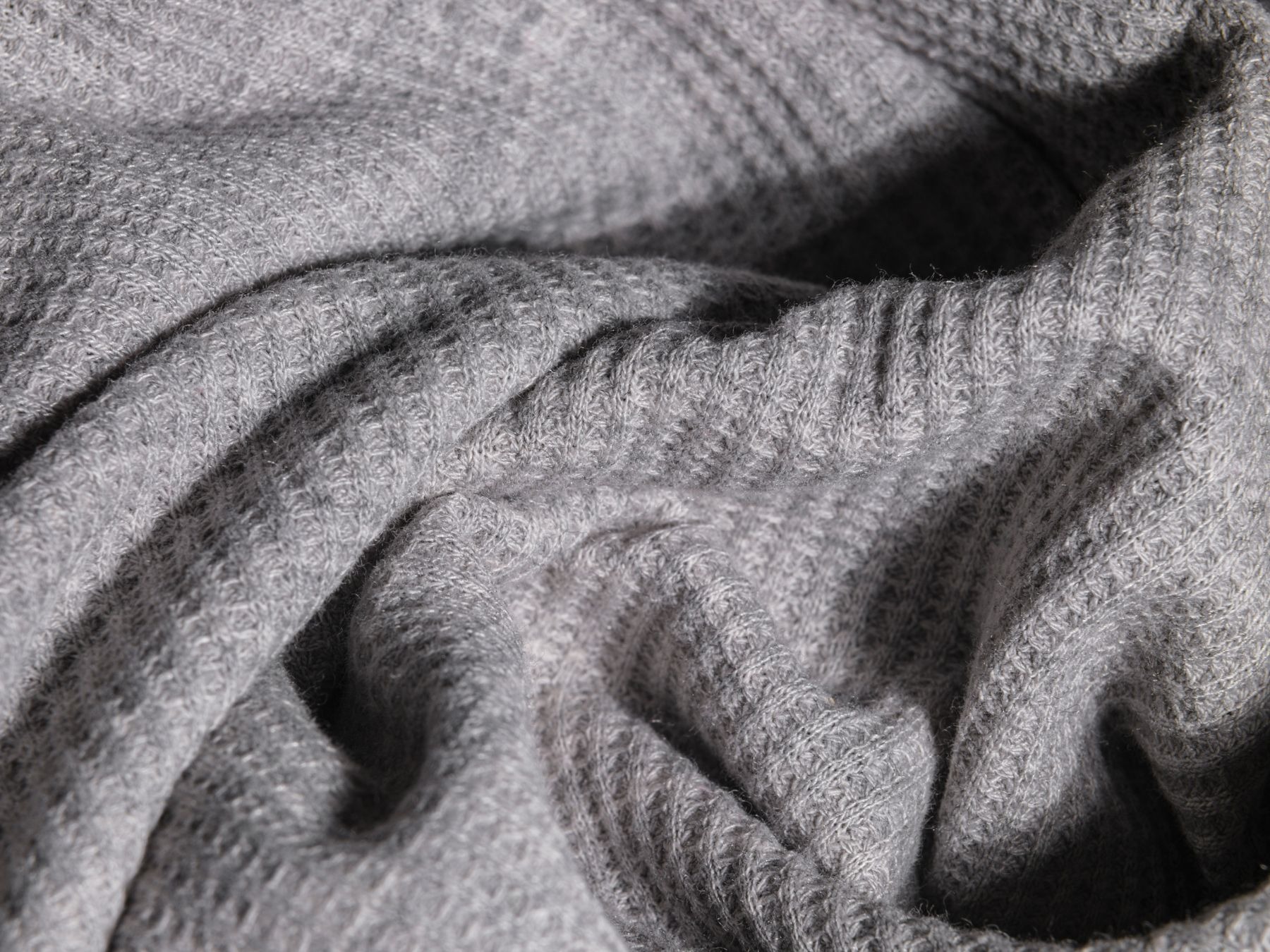
Small surface pills can make a favorite knit look tired even when its shape and color remain appealing. The useful response is not automatically a stronger wash or an aggressive tool. Begin by looking at where the pills appear, how the garment is constructed, and what its label permits. This guide offers a cautious clothing-care routine rather than a promise of pill-free knitwear. Different yarns, finishes, trims, and garment structures can require different treatment, even when the fiber names look similar.
1. Identify what you are looking at
Pills are small tangled clusters on the fabric surface, but not every irregularity is a pill. A long loose loop, a broken stitch, and a piece of lint need different responses. Examine the area in good light before doing anything. Do not cut a projecting loop simply because it looks untidy; it may be part of the knitted structure.
Compare the affected area with a less exposed part of the same garment. Note whether the change is scattered, concentrated beneath an arm, or close to a bag strap. If you see holes, unraveling, or an uncertain pulled stitch, consider professional repair advice. Surface tidying should not turn a repairable detail into a larger opening.
2. Read the complete label before choosing a routine
Find both the fiber information and the care instructions. The fiber name alone does not tell you whether a garment can be machine washed, hand washed, dried in a machine, or professionally cleaned. Construction, dyes, decorations, and blended materials can affect the instruction. Follow the garment manufacturer’s label, including restrictions that seem more cautious than generic advice for the named fiber.
If symbols are unclear, consult the manufacturer or a verified care-symbol reference before proceeding. Do not guess from a partially remembered icon. For secondhand knits with missing labels, seek garment-specific advice rather than treating an online routine as universally safe. A cautious pause is preferable to a cleaning method that changes the shape permanently.
3. Look for repeated rubbing in the outfit
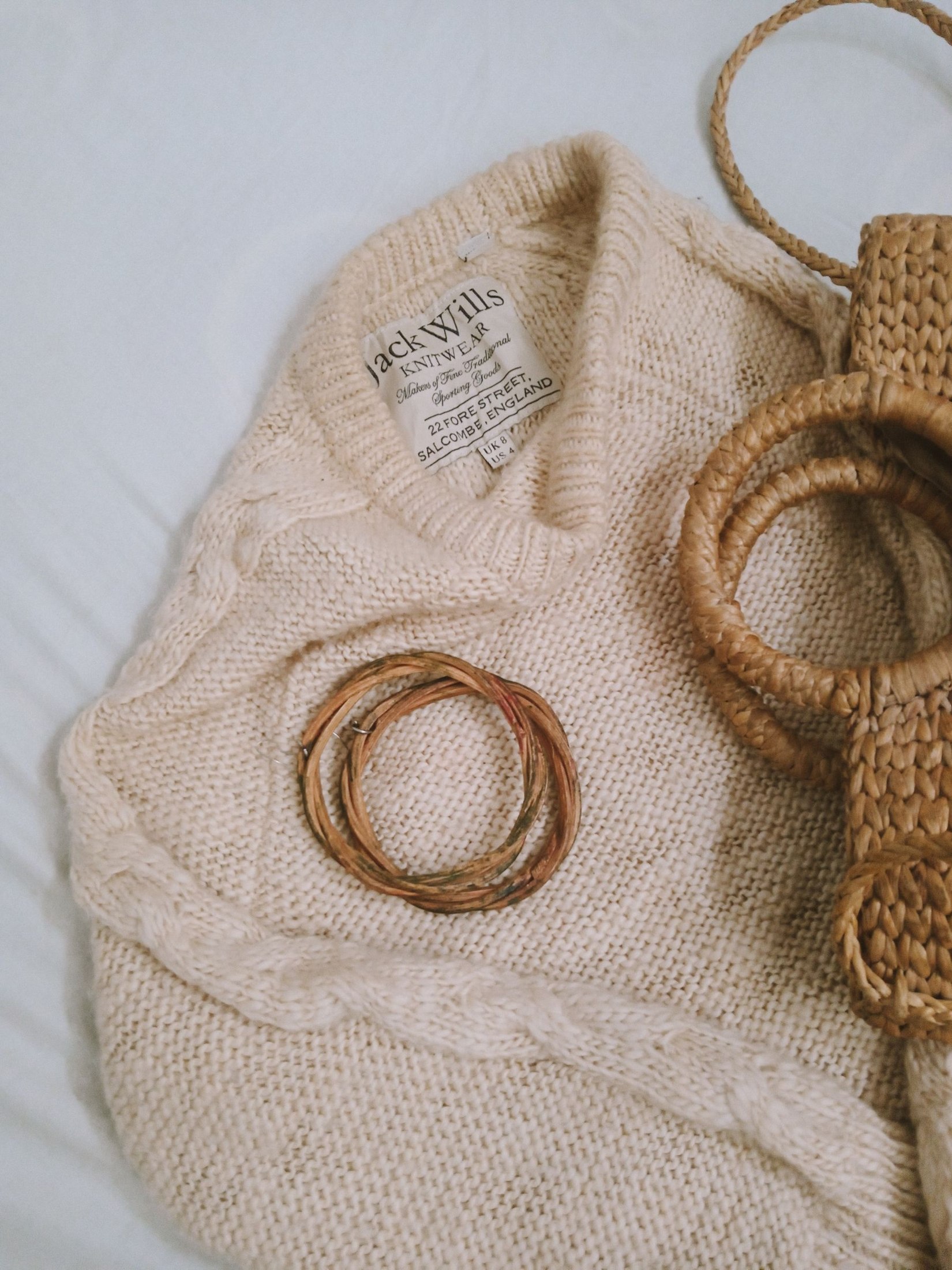
Notice the contact points created by how you wear the garment. A rough bag strap, a jacket seam, or a closely fitted layer may repeatedly rub one area. Try a smoother strap or a different carrying position if practical. Check that jewelry and bag hardware do not catch the knit, especially around loose stitches.
Outfit fit matters too. A cardigan stretched tightly over another layer can experience different contact than one that sits freely. Choose a layer combination that lets the fabric move without constant pulling. This does not guarantee that pills will stop, but it addresses an observable source of wear rather than relying on a product claim about a supposedly permanent cure.
4. Handle washing according to the permitted method
When washing is allowed, follow the label’s method, temperature, and drying restrictions. Check pockets, fasten closures where appropriate to the garment, and separate it from items with exposed hooks or rough details that could catch. If the manufacturer recommends turning the garment inside out or using a protective bag, follow that instruction rather than assuming the same step suits every knit.
Avoid improvising a stronger process to remove pills. Washing and surface depilling are separate decisions, and more agitation is not a sensible default treatment for a delicate garment. Use cleaning products appropriate to the label and any manufacturer guidance. Do not add unverified household mixtures because a general clothing tip presents them as harmless for every fiber.
5. Dry and reshape without unsupported shortcuts
Follow the specified drying method. If flat drying is directed, arrange the garment in its intended shape on a suitable surface rather than suspending a wet knit from its shoulders. Pay attention to sleeves, plackets, and hems so they are not left twisted. Do not force the fabric into a new size while it is damp.
Keep it away from unapproved direct heat, and do not assume a quick tumble is permitted because the garment feels almost dry. If the label allows machine drying, use the stated conditions. If it does not, choose the instructed alternative. Drying is part of preserving the garment’s structure, not an optional final stage after careful washing.
6. Approach pill-removal tools conservatively
Check whether the manufacturer offers specific advice for the garment before using a comb, shaver, or other surface tool. Read the tool’s instructions too, including fabric limitations. A method suitable for a dense smooth knit may not suit an open, textured, embellished, or loosely knitted one. Do not use a shaving blade as an improvised universal substitute.
If an approved method calls for a discreet trial, inspect that area carefully before continuing. Keep the fabric supported and avoid stretching it toward a tool. Stop if stitches lift, threads catch, or the surface changes unexpectedly. Removing every tiny surface irregularity is not a worthwhile goal if the process risks thinning or cutting the fabric underneath.
7. Build a garment-specific maintenance habit
After wearing, check the areas that contact bags, cuffs, and underarms. Remove an external item such as a catching bracelet before it causes more trouble. Clean the knit when needed according to its instructions, let it dry completely, and store it in a way that supports its shape. Do not put it away damp or compress decorations against delicate stitches.
Keep a brief note of the garment’s care requirements if you own several similar-looking knits with different labels. The practical aim is a sweater that remains wearable and well shaped, not a flawless surface at any cost. By observing actual wear, respecting the label, and avoiding forceful shortcuts, you can make more informed choices about when to clean, tidy, repair, or simply leave the knit alone.