
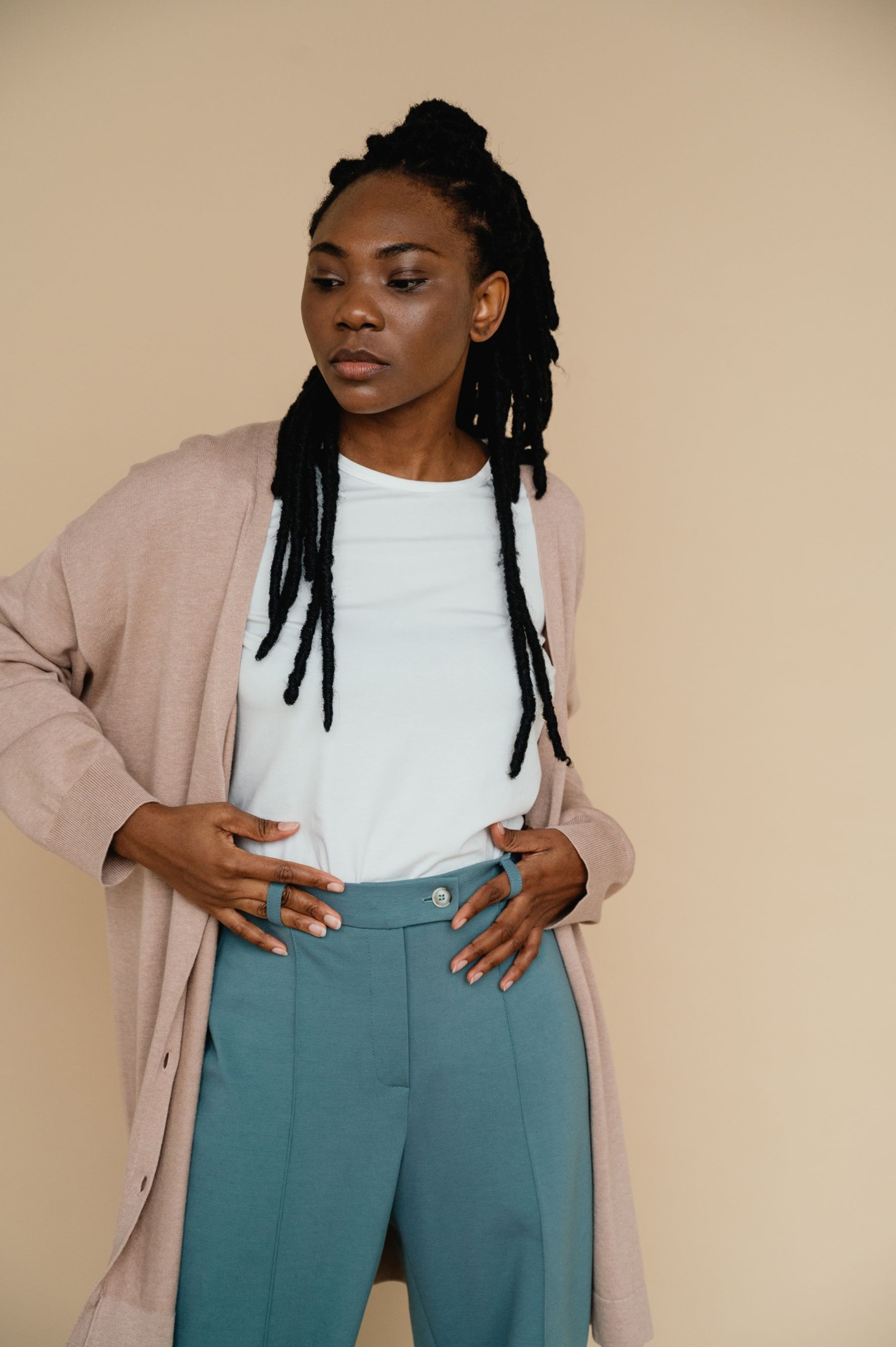
A flexible weekend outfit should work in more than its fully dressed state. If removing the jacket exposes an unfinished combination, or taking off the cardigan leaves you carrying an awkward bundle, the layers are not cooperating yet. Instead of starting with the maximum number of garments, plan a few complete versions of the same outfit. Each should feel wearable in its own right. The exact fabrics and outerwear will depend on conditions and the garments you own, but the checks remain useful.
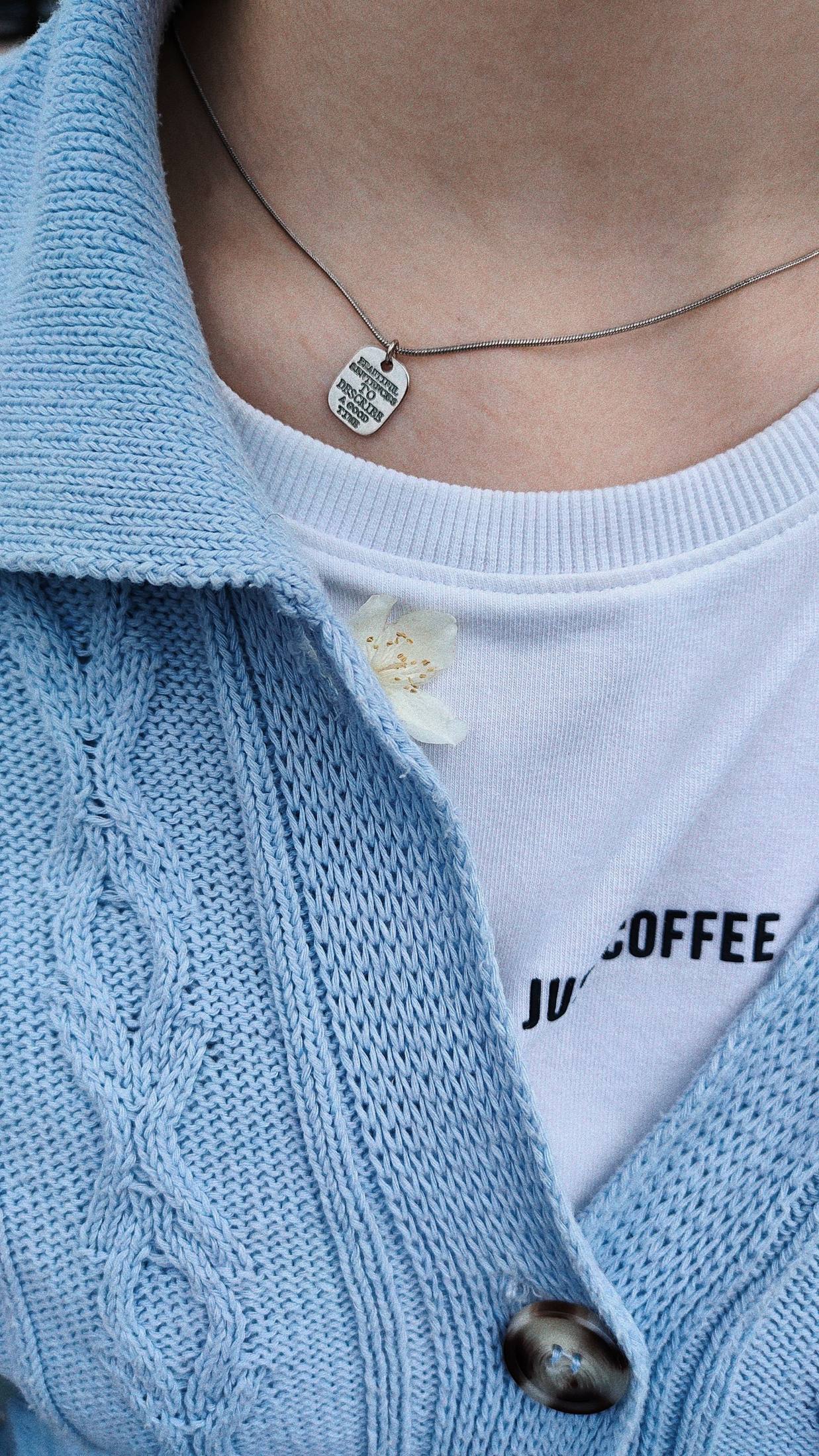
1. Start with a base outfit you would wear alone
Choose a top and bottom that fit comfortably without help from an open layer. A plain T-shirt with straight jeans, a knit top with a casual skirt, or a simple long-sleeved top with trousers can all provide a foundation. Check the waistband and hem together. If you always need to pull the top down or retuck it, adding another garment will not resolve that underlying issue.
Look at the base in a full-length mirror before reaching for a jacket. Decide whether you prefer the top tucked, partly tucked, or left loose. This matters because the same hem will be visible when your middle layer opens or comes off. The simplest wearing state deserves as much attention as the finished layered one.
2. Assign each additional layer a different job
A middle layer might add warmth while an outer garment responds to wind or light weather exposure, depending on its verified construction. Do not assume that any jacket is weatherproof because it looks technical or has a zip. Choose the appropriate garment for the conditions you expect and use the manufacturer’s information for performance claims.
For styling, distinguish between a soft middle shape and an outer shape that can accommodate it. A cardigan beneath a relaxed jacket may be useful; two equally bulky overshirts may simply compete. Ask what changes when you add each garment. If the answer is mostly extra fabric at the shoulders, one layer may be redundant.
3. Check sleeves before judging the overall look
Put on the thickest planned combination and bend both elbows. Reach forward and lift your arms normally. Sleeves should not become trapped halfway up your forearm or feel tightly packed under the outer layer. The inner shoulder seams should also sit without being dragged into folds by the jacket.
Try removing the outer garment and putting it back on. If every change requires several minutes of pulling cuffs into position, the system is less flexible than it appears. A smoother or less bulky middle layer may work better, but choose according to the actual garments rather than assuming one fiber always slides easily beneath another.
4. Compare the visible hem lengths
Look at the hems from the front, back, and side. A longer shirt beneath a shorter cardigan can create a deliberate tiered effect, but an uneven sliver at the back may look accidental. Either make the relationship clear or choose lengths that do not compete. There is no rule that every inner layer must be shorter than every outer layer.
For example, a striped top beneath an open overshirt can show a clean central panel without exposing multiple extra hems. A long shirt under a short knit vest creates a different, more pronounced layered silhouette. Decide which effect belongs with your trousers or skirt, and check that the clothes move without catching at the waistband.
5. Keep color relationships readable in every state
Pick colors that still relate when the most noticeable layer is removed. If a red jacket is the only connection between two otherwise competing colors, the base outfit may need reconsidering. A navy top, light denim, and olive overshirt can remain coherent both open and without the overshirt because the contrast is already contained in the base.
Patterns deserve the same check. A striped base with a plain middle layer is an easy experiment. Two patterns can work too, but compare their scale and contrast in daylight if possible. You should like the combination when both are visible, not only when the jacket hides most of one print.
6. Plan what happens to a removed layer
Before leaving, fold the middle layer as you expect to carry it and see whether it fits in your usual bag. Some garments are easy to manage; a stiff oversized shirt or bulky cardigan may not be. Do not plan to tie a delicate knit around your waist if you dislike the resulting shape or the care instructions make that handling unsuitable.
Try the outfit with the layer carried rather than worn. If a jacket will sit over your arm for part of the day, check that the remaining outfit has pockets or another practical arrangement for essentials. This is still clothing planning, not a packing challenge: removable should mean realistically manageable.
7. Rehearse the changes as complete outfits
Try three states in order: base only, base with middle layer, and the full combination. Then reverse them. A useful example is a cotton top and dark jeans, an open cardigan, and a relaxed outer jacket. Another is a long-sleeved top with casual trousers and an overshirt, using only two clothing levels when that is enough.
Keep the version that gives you the changes you need without unnecessary bulk. Check that each state has a clear silhouette, sleeves remain comfortable, and removed pieces have somewhere sensible to go. Flexible dressing is not about preparing for every imaginable temperature. It is about making a few likely changes easy while continuing to look dressed on purpose.