
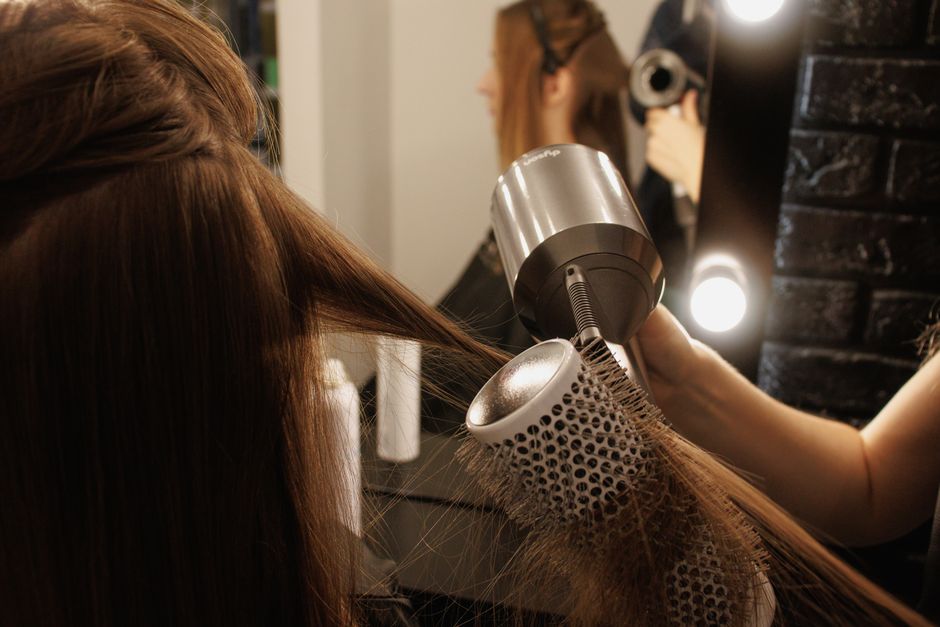
On a cold morning, your hair can look ready while the layers underneath are still damp. The front sits neatly, the ends have settled, and then you step outside and notice a chilly patch at the back of your head. Drying hair fully before heading into the cold is mostly about preparation and checking the right places. You do not need an elaborate blowout. A gentle, deliberate routine can help you leave home feeling comfortable, without spending extra time perfecting every strand.
Separate drying from styling
When you are watching the clock, it is easy to spend your remaining time smoothing the sections you can see in the mirror. Meanwhile, the hair behind your ears may still be damp. Make complete drying your first goal, then decide whether you want any additional shaping.
A simple finish with dry roots can be perfectly presentable for everyday plans. Your hair does not have to be straight, glossy, or unusually full to count as finished. Keeping your usual texture also lets you concentrate on comfort instead of trying to create a different hairstyle before breakfast.
Remove excess water before switching on the dryer
After washing, gently squeeze water from your lengths with your hands. Follow with a soft towel, pressing and blotting instead of rubbing briskly. Lift sections so you can blot underneath, especially at the nape, where water can linger unnoticed.
If you wrap your hair while getting dressed, keep the wrap comfortable and avoid twisting it tightly. Once the towel feels saturated, unwrap it. Leaving a wet towel around your head does little to help the next stage of your routine.
Detangle gently using the approach that works for your texture. Fingers or a suitable wide-tooth comb may help, but do not pull through resistance. If your curls are easier to detangle while conditioner is still in during washing, keep that familiar step. Preparing to dry should not involve unnecessary tugging.
Give airflow access to the hidden sections
Hair on the surface receives air almost automatically. The layers underneath need your attention. Rather than repeatedly passing the dryer over your crown, lift the upper hair out of the way and work through the interior.
For longer or thicker hair
Use loose sections that you can comfortably handle. Clip the upper layers away, dry the lower area, then release another section. Your partings do not need to be precise. They simply need to expose enough hair for air to reach the roots and lengths.
Choose clips that release easily, and avoid stretching wet hair tightly to secure it. If one section seems to take forever, divide it again. Smaller sections can make the process easier to judge without turning up the heat.
For shorter or finer hair
You may only need to lift small areas with your fingers. Check behind both ears and around the crown, even if the rest dries quickly. Move on as soon as an area is dry rather than giving every section the same amount of attention.
If your ends finish before your roots, direct the remaining airflow where it is needed. There is little benefit in repeatedly heating dry ends while a damp patch remains sheltered underneath.
Use comfortable heat and keep moving
Choose a low or medium heat setting that feels comfortable, and keep the dryer moving. Follow the appliance instructions for distance and attachment use. Never rest a hot nozzle against your scalp or hair. If you feel excessive warmth, move away and lower the setting.
Guide air through the section you are drying instead of holding it over one spot. Use your fingers or an appropriate brush without pulling hard. For curls, keep your usual gentle attachment and handling method, allowing time for the interior to dry without brushing out the shape.
If you use a heat protectant, follow the directions and apply only the amount your hair needs. Extra product does not replace careful drying. Patch test unfamiliar products according to their instructions, and stop using anything that causes irritation.
Adapt to changes in your hair
A routine that suited a previous haircut may need adjusting now. New gray growth, coloring, a shorter shape, or changes in density can all affect how you prefer to handle your hair. Let what you notice guide your technique rather than repeating an old routine automatically.
- Fine hair: Lift gently, check frequently, and stop heating sections that are already dry.
- Dense hair: Expose the interior with smaller sections rather than repeatedly drying the outside.
- Curly or tightly coiled hair: Allow enough time for your preferred drying method and check inside the shape.
- Fragile lengths: Minimize repeated brushing and avoid pulling the ends while drying the roots.
You do not need a new collection of styling products to make these adjustments. Often, changing the order of your sections or giving the nape more attention is the most useful starting point.
Check after the warm air stops
Switch off the dryer and let your hair settle briefly before assessing it. Warmth can make lingering moisture harder to notice. With clean, dry fingers, gently part the hair and feel near the roots as well as along the lengths.
Check the nape, behind your ears, underneath the crown, and inside thicker sections. A cool sensation alone does not prove hair is wet. Look for a damp touch as well, or strands that still cling together with moisture.
If you find one damp patch, reopen that section and dry it gently. You do not need another full pass over your head. Once everything feels dry, put the dryer down instead of adding heat for reassurance.
Leave room for a comfortable departure
Try finishing your drying before your coat goes on. Getting dressed first can keep a narrow neckline from disturbing your finished hair. Save a brief final check for the moment before you reach for your outerwear.
If morning washing regularly leaves you rushing, consider washing earlier in the day or evening, with enough time to dry before bed. When a full wash is unnecessary, keeping your hair dry during a shower can simplify the morning.
A hat provides outdoor coverage, but it does not finish drying damp roots. Put it on after drying and choose a comfortable fit. If your scalp stays itchy, sore, or flaky, see a dermatologist rather than trying hotter air or adding more products.
The final check is simple: reach underneath, feel around the roots, and give any overlooked area a little attention. When your hair is dry throughout and your scalp feels comfortable, you can get on with your day.