
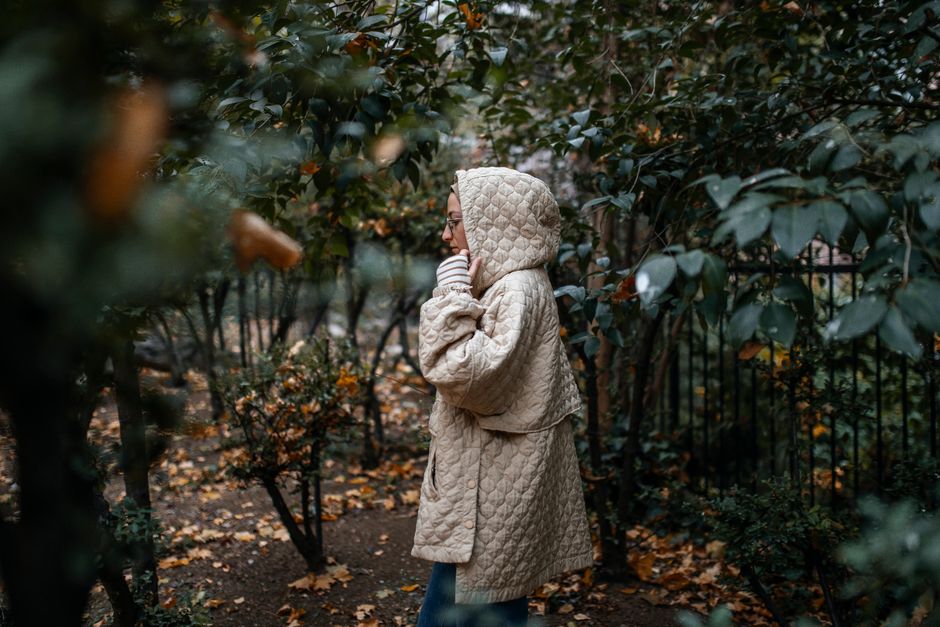
A quilted skirt can make a cold-day outfit feel a little more inviting: it has texture, a sense of substance, and enough character to carry a simple sweater. Choosing one takes more than finding a color you like, though. The padding, stitching, lining, and cut all affect how it hangs and how comfortably you can move. Start with the situations you actually dress for, whether that means a short walk to lunch or an afternoon moving between shops, and look for a skirt that works with your usual layers.
Decide how much insulation you need
Quilting describes the stitched construction, so it does not tell you exactly how warm a skirt will be. Some versions have a thin layer of filling and feel almost like an ordinary woven skirt. Others have a noticeably padded structure. Read the fabric and filling information, and handle the skirt if you can. Consider its weight, flexibility, and the amount of room it will take up beneath your coat.
A lightly padded style can be useful if you spend most of your day indoors, with brief trips outside. More substantial padding may suit longer outdoor stretches, but warmth still depends on your whole outfit and the conditions. A skirt leaves openings around the hem, so do not assume a thick quilted fabric replaces the leg coverage you normally need.
Look at the quilting before the silhouette
The stitching pattern changes the visual character of the fabric. Small diamonds often create a fairly even texture, while broad channels can make the padding look more pronounced. Neither is automatically better for any body shape. Hold the fabric against yourself and notice whether you enjoy the overall effect, including the way the pattern changes around curves and seams.
Check the construction at the side seams and hem. The stitching should look secure, with no obvious loose threads or filling escaping. Some puckering belongs to the quilted texture, but the waistband and fastening should still lie neatly. If the outer fabric already looks strained beside the zip, a different size or cut may sit more comfortably.
Choose a shape that lets the padding hang
A gentle A-line for everyday movement
A modest A-line gives the fabric space to fall away from the hips without creating a very wide outline. It is a useful starting point if you want to walk easily and wear the skirt with sweaters. Look at the side view as well as the front: firm padding can hold a flare more strongly than a soft, unpadded fabric would.
A straight cut with enough walking room
A straight quilted skirt can feel tidy and understated, especially in a matte fabric. The key is ease through the hips and thighs. You should be able to take your normal stride without pulling the skirt upward. If there is a vent, check that it opens comfortably as you walk and lies reasonably flat when you stand still.
A fuller silhouette is also an option if you like a sculptural shape. Try it with your coat before deciding. The volume should feel intentional and manageable, particularly when you close the coat or carry a bag beside your hip.
Check the waistband with your actual layers
Try the skirt over the underlayers you expect to wear, or something of similar thickness. A fit that feels fine over bare legs may become snug once you add winter layers. Fasten the skirt, breathe normally, and sit down. The waistband should stay comfortable without needing to be shifted every time you change position.
Pay attention to where the padding ends. A smooth waistband with the quilted section beginning beneath it can make layering easier. Gathered elastic may feel flexible, but thick fabric gathered tightly at the waist can create more fullness than you want. There is no need to reject either construction; choose the one that feels good with your preferred tops.
Find a length that suits your day
Around-knee lengths offer less fabric to manage on stairs and when getting into a car. Longer skirts provide more coverage, but their usefulness depends on stride room and where the hem lands. Walk briskly, turn, and step onto a low fitting-room platform if one is available. A hem that repeatedly catches your boots will become irritating quickly.
Think about wet pavements, too. A long padded hem can be awkward if it brushes against slush or splashes. Choose a length that clears the ground comfortably in your everyday footwear. If shortening seems necessary, ask a tailor about the construction first: quilting, binding, and padding can make a hem alteration more involved than it appears.
Inspect the inside and the practical details
The inside deserves as much attention as the outside. Run your hand along the seams and check for rough edges. If there is a separate lining, make sure it has enough room to move with the outer skirt. Try walking in the skirt with your usual leg layers to see whether the fabrics glide comfortably or catch and pull.
- Pockets: Put your hands inside and check whether the openings are comfortable and the sides stay reasonably smooth.
- Fastenings: Open and close the zip or snaps without forcing them, keeping nearby fabric clear.
- Hem finish: Check that binding or stitching sits evenly and does not make the lower edge twist.
- Noise: Walk around and listen; a crisp outer fabric may rustle more than you enjoy.
Choose a finish that belongs in your wardrobe
A matte surface is an easy choice if you prefer quiet texture. A slight sheen makes the quilted pattern more noticeable and can give the skirt a sportier feel. Look at the fabric in natural light when possible, because overhead lighting can exaggerate shine. Choose the finish you like alongside the clothes you already wear.
For color, bring to mind your most-used coat, boots, and sweaters. A dark neutral may make frequent wear straightforward, while olive, brown, or a muted berry shade can add interest without requiring an entirely new outfit. The useful question is whether you can picture several familiar tops with the skirt, rather than one perfect combination you would need to buy.
Let the skirt supply the texture
For an easy first outfit, pair the skirt with a smooth sweater that falls where you like it at the waist or upper hip. The top does not need to be tight. A relaxed shape can work well when its hem sits clearly instead of bunching over the waistband. Try both an untucked finish and a small tuck, then choose whichever feels more comfortable.
Before keeping the skirt, put on the complete outfit, including your coat and everyday bag. Close the coat, sit down, and walk around. Finally, read the care label and decide whether its instructions fit your routine; avoid assuming padded fabric can take high heat. A quilted skirt earns its place when its warmth, texture, and movement make getting dressed easier on the cold days you already have.