
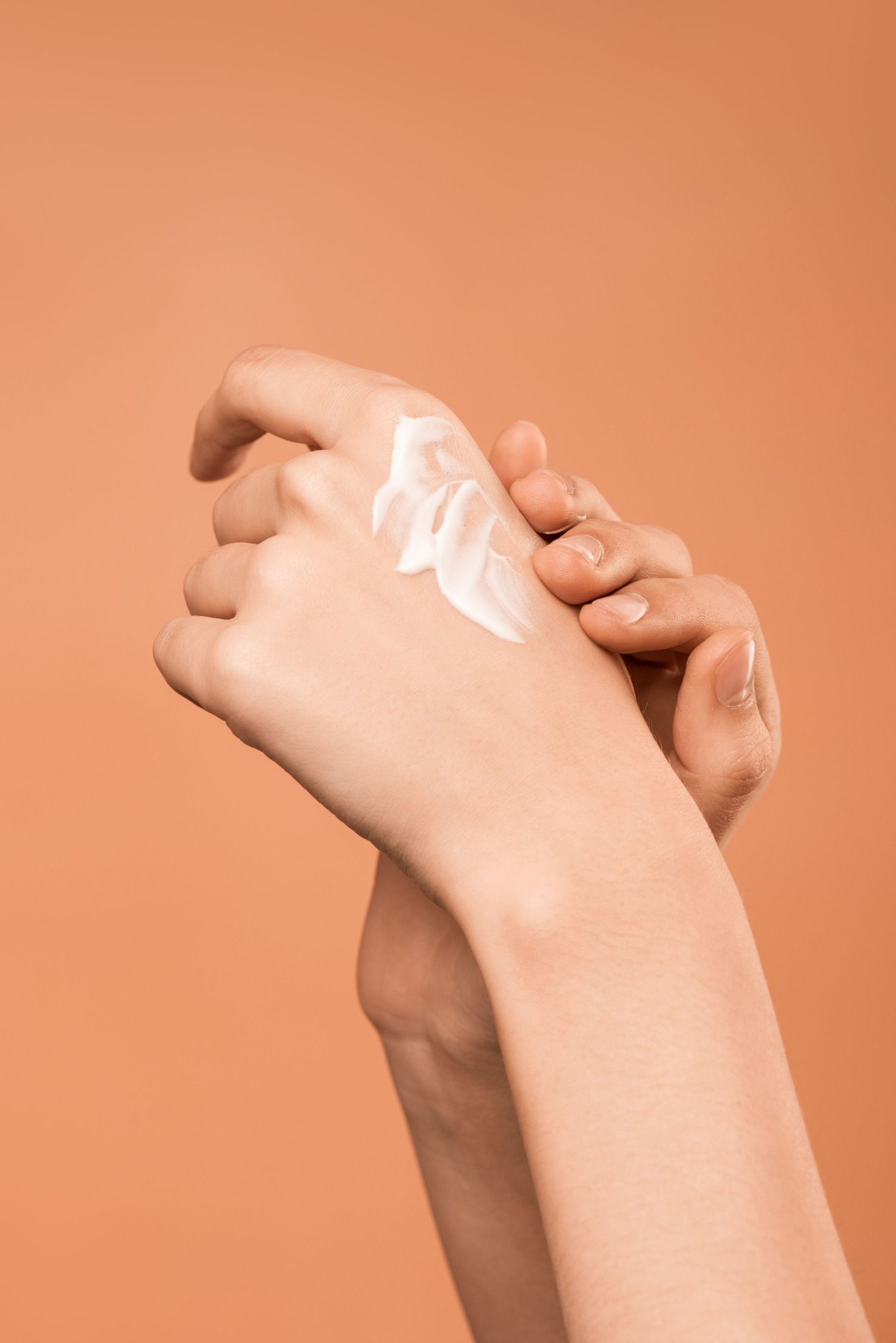
Hand cream is most useful when it reaches the places you overlook and leaves a finish you can live with. A large blob rubbed mainly between the palms may make your grip slippery while missing the backs of the fingers and the skin around the nails. A practical routine uses a suitable product, deliberate placement, and a little patience before touching everything around you. The aim is everyday cosmetic comfort and a cared-for appearance, not a complicated hand treatment.
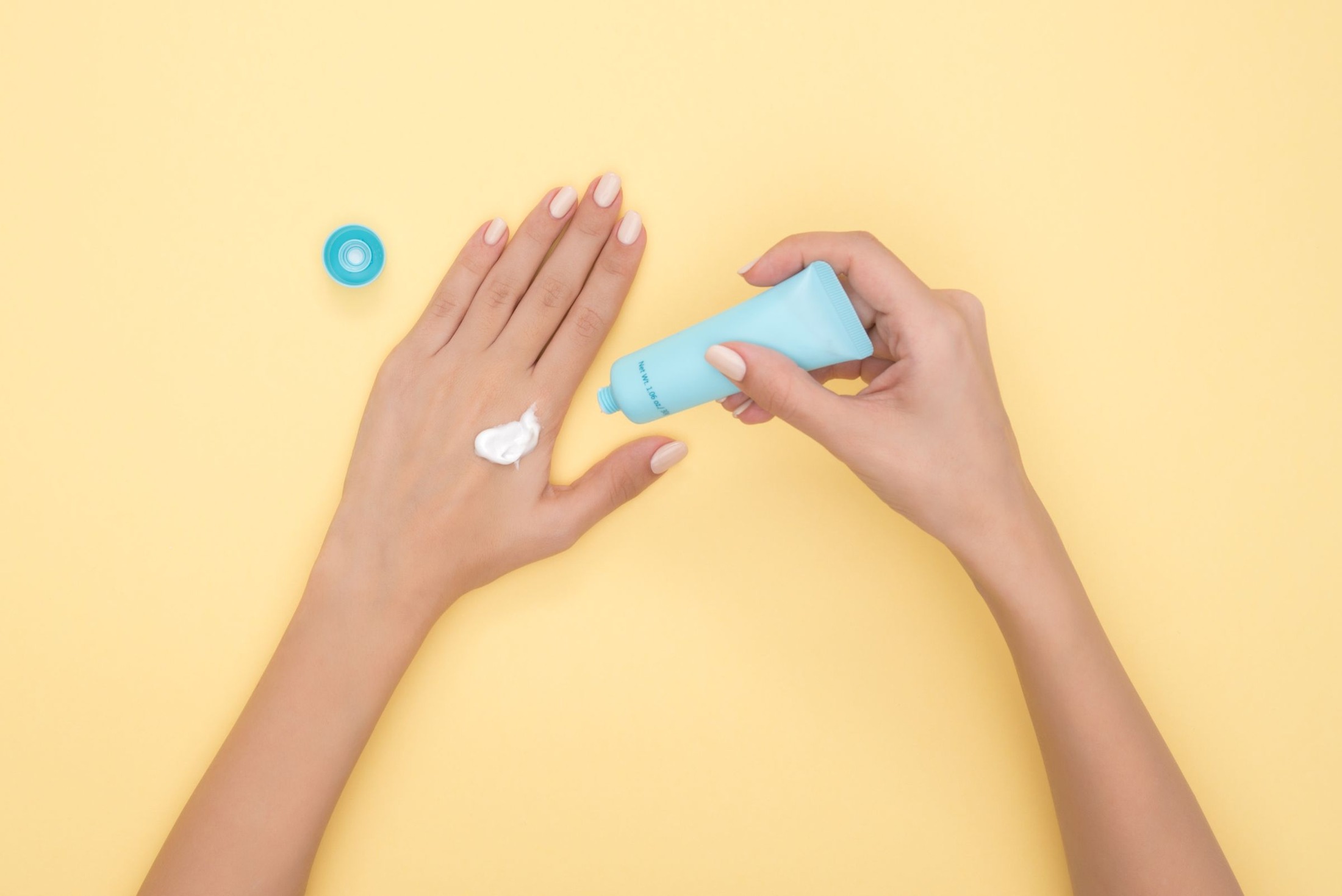
Find the moments when application makes sense
After handwashing is a useful starting point. The AAD’s handwashing guidance recommends hand cream or ointment on slightly damp hands, including the fingertips and nails. It suggests fragrance-free, dye-free products. Keep normal hand hygiene in place; moisturizer is an addition, not a substitute for washing when needed.
Choose a location where the product can be used conveniently without getting in the way. A closed tube beside your usual handwashing spot may be easier to remember than a decorative jar you dislike opening with damp hands. You do not need a container at every possible location. Start with the application opportunity that already fits naturally into your existing personal-care routine.
Choose the finish you will actually wear
A cream, lotion, and ointment can feel quite different in use. For daytime wear, compare how the product spreads and how much residue remains once it settles. For a richer application when you are not about to handle objects, you may prefer a more substantial texture. The right choice is not determined by which package makes the strongest softness claim.
If a product feels unpleasantly greasy at every application, first check the amount. If a modest amount still leaves a finish you dislike, another texture may be more convenient. Do not conclude that hand cream itself is impractical because one formula does not suit you. A comfortable, regularly used option is more useful than a theoretically impressive product that stays closed.
Start on the backs rather than overloading the palms
Dispense a small amount according to the product’s directions. Touch the backs of your hands together first to spread some cream over that broad surface, then use your fingers to distribute it. This gives you more control over where the product goes. Add a little more only if you have not covered the areas you intended to cover.
Pay attention to the sides of the fingers and the spaces near the knuckles. For example, a quick palm-to-palm rub may leave the outer side of the little finger nearly untouched. Turn each hand and look briefly as you apply. You are aiming for an even, comfortable layer rather than a visible white coating that requires prolonged rubbing to disappear.
Give fingertips and nail edges a separate pass
Use the remaining cream on your fingers to make a gentle pass around each nail edge and fingertip. There is no need to dig under the nail or manipulate the cuticle. This is simply a way to avoid skipping the small areas after the larger surfaces have taken most of the product. Keep the pressure light and the movements unhurried.
If you wear rings, follow the jewelry’s care instructions and avoid leaving obvious product trapped around settings. Removing a ring for application may be convenient when appropriate, but keep it somewhere secure and dry. Before replacing it, check for excess cream. The practical objective is comfortable hands and tidy cosmetic residue, not a layer of product collected around accessories.
Allow the finish to settle before handling objects
Give the cream a moment before picking up a glass, fastening a small clasp, or applying another cosmetic. If you immediately touch several objects, it becomes difficult to tell whether the formula is genuinely too slippery or simply had no time to settle. A short pause also lets you identify a spot where you accidentally applied much more than elsewhere.
If the palms remain overly slick, gently remove surplus with a clean tissue rather than washing and starting the entire process again solely to correct an oversized application. Use less next time. Do not apply a rich coating immediately before an activity that requires a secure grip. Match the timing and amount to what your hands will need to do.
Keep the richer application simple
When you have more time, you can use a richer texture you enjoy and be more deliberate about coverage. This does not require an elaborate set of gloves, scrubs, oils, and nail products. One suitable cream applied according to its directions may be enough. Adding several layers can make it harder to identify which finish actually feels comfortable.
For example, after evening handwashing, spread cream over the backs, fingers, and nail edges, then leave the hands alone briefly. Judge the result once it has settled. If the cream already feels comfortable, adding oil merely because it is part of someone else’s routine has no necessary cosmetic benefit for your particular goal. Keep the routine proportionate to what you observe.
Review comfort and packaging, not just softness claims
After several ordinary uses, ask whether the product is easy to dispense, spreads where you need it, and leaves a finish you like. Check whether the cap closes cleanly and the opening stays free of accumulated cream. Follow the label’s storage instructions. A convenient container is part of a usable beauty routine, not an irrelevant packaging preference.
Do not use hand cream to cover up persistent pain, cracking, or an unexplained rash while treating it as a cosmetic inconvenience. Stop products that cause irritation and keep this routine within its everyday scope. For ordinary application, the repeatable pattern is modest amount, complete placement, and a settling pause. Hands can look neatly cared for without feeling as if they have been dipped into a jar.