
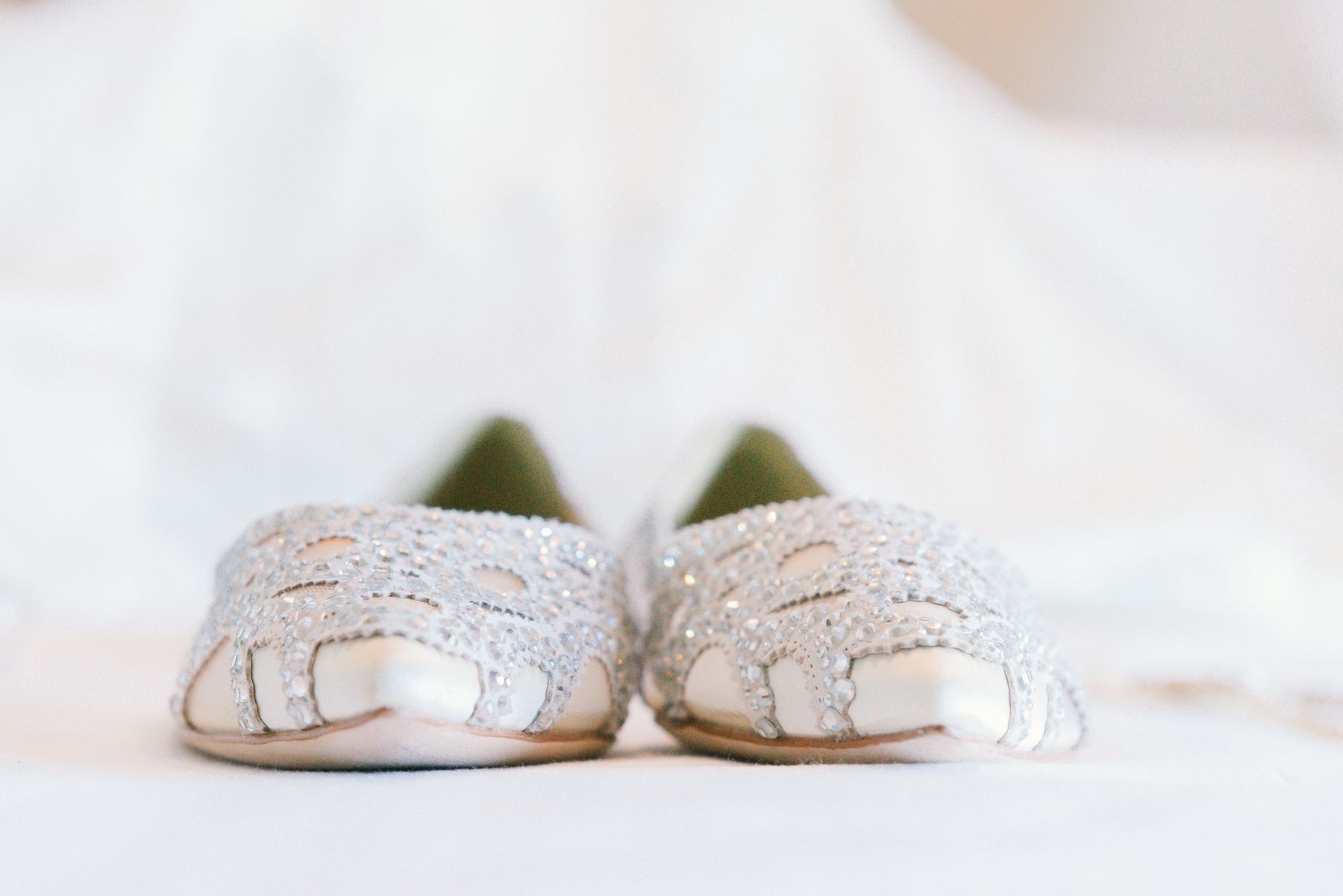
Ballet flats ask a relatively open upper to stay in place while you walk. That makes fit more complicated than choosing the size that looks neatest while standing still. A pair can feel secure at the heel yet crowd the toes, or offer generous front room while slipping behind. The aim is a compatible shoe shape, not the tightest possible fit. This is a shopping and clothing-fit guide, not a medical solution for foot discomfort.
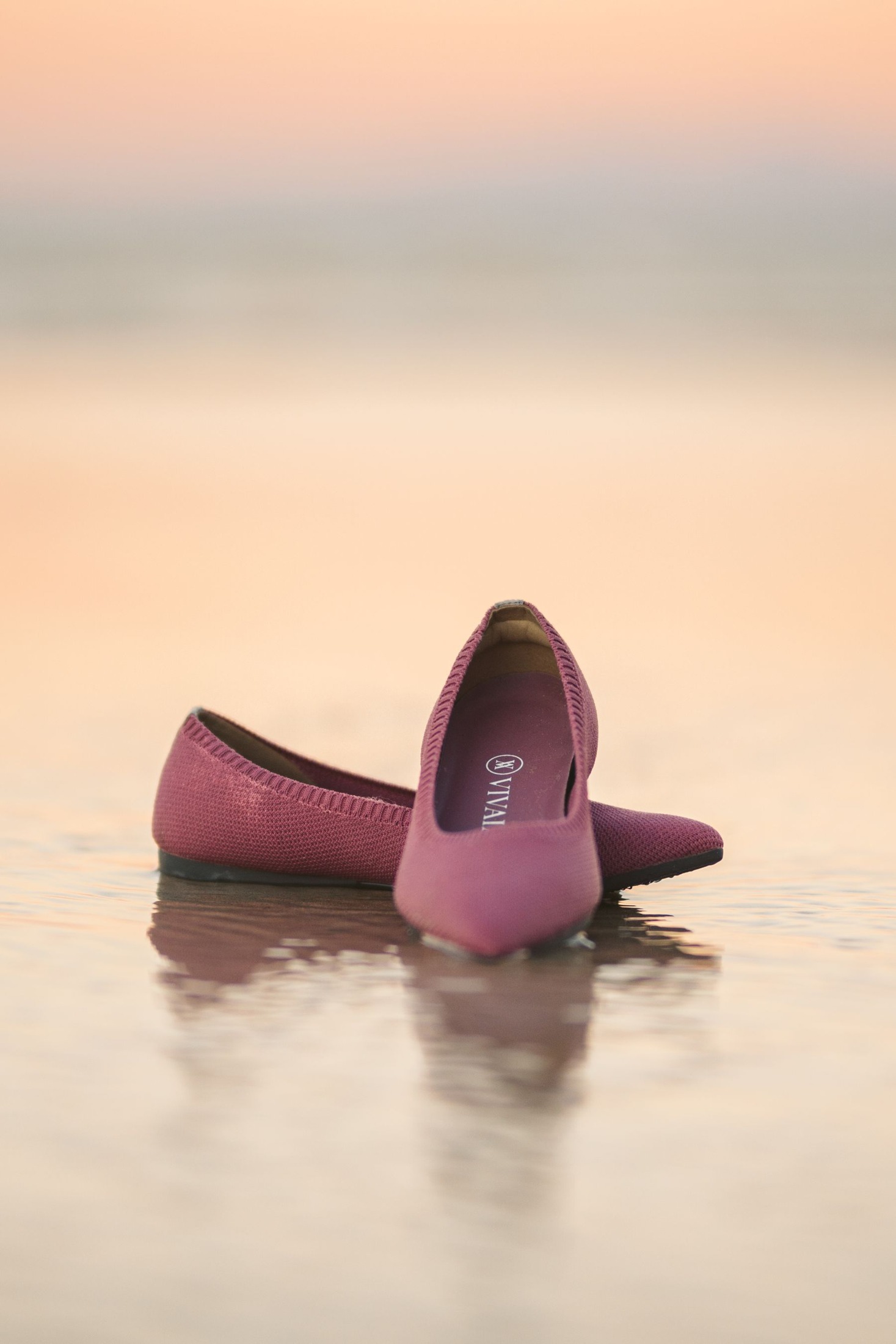
1. Start with the socks or liners you will wear
Try flats with the hosiery you expect to use most often. A thick fitting sock cannot tell you how the same pair will behave with bare feet or a thin liner. If you want both options, bring both and evaluate them separately. Make sure a liner is sitting smoothly rather than folded beneath your heel or bunched around your toes.
Try both shoes, not just the larger-looking foot. Stand with your weight distributed normally and allow time to notice the fit. If you are shopping online, follow the seller’s sizing instructions and keep the return conditions in mind before walking anywhere that could mark the soles. A careful indoor trial should leave you able to reject an unsuitable pair.
2. Judge usable toe space rather than the outline
A pointed ballet flat may extend beyond your toes as part of its design. That extra point is not automatically evidence that the shoe is too long. Look instead at where your toes actually sit within the usable portion. They should not need to curl or press tightly together to accommodate the shape. A round toe can also be too shallow, so do not assume the silhouette alone guarantees room.
While standing, notice pressure at the widest part of your foot and along the upper edge. A neat appearance is not worth persistent pinching. If going up a size creates substantial heel loss without resolving the front shape, compare another width or a different last rather than cycling endlessly between two unsuitable sizes.
3. Understand what the topline contributes
The topline is the edge around the opening. Its height and shape determine where the upper meets your foot. A very low-cut flat may expose more of the front of the foot and offer less coverage to help the shoe stay in place. A higher vamp, meaning more coverage over the front, can feel more secure without requiring a tighter toe area.
Look for gaping along the sides when you stand and when you bend your foot naturally. Elastic edging may help some designs follow the foot, but it should not dig in or leave the whole upper feeling drawn tight. Compare two shapes at the same size. Sometimes the meaningful change is the opening, not the length printed inside.
4. Watch the heel during ordinary steps
Walk at your normal pace on a permitted indoor surface. Take a few turns and stop naturally. Notice whether the heel lifts slightly within the shoe or comes out enough that you alter your stride to retain it. Repeatedly gripping with your toes, shuffling, or shortening your steps is a reason to reassess the pair, not a styling compromise to practice.
Check the heel opening while standing too. A visibly loose cup may point to a mismatch in shape, while a heel that presses sharply is not a better result. Do not assume every upper will stretch into the correct fit. Materials and construction differ, and a salesperson’s general reassurance is not a substitute for a comfortable, secure trial.
5. Compare straps before reaching for inserts
An instep strap or Mary Jane fastening changes how a flat is retained. It can be a useful design choice when you like a ballet silhouette but dislike the feeling of an open shoe. Fasten the strap normally and check whether it stays comfortable as you walk. It should not need extreme tightening to compensate for a shoe that is too large elsewhere.
Heel grips and inserts change the space inside a shoe; they are not guaranteed to correct an incompatible fit. If you are considering one, check that it does not push your toes into the front or raise your heel awkwardly against the edge. For a new purchase, prioritize a pair that works without an elaborate collection of adjustments.
6. Test the pair with real outfit proportions
Wear the trouser hem, skirt length, or dress silhouette you plan to use with the flats. This is a visual check separate from fit. A longer vamp may look especially clean beneath cropped straight trousers, while a low-cut flat leaves a lighter-looking line with a full skirt. Neither option is inherently more elegant; the surrounding clothes change the effect.
For example, compare a simple black flat beneath dark straight jeans and with a light cotton midi skirt. If the shoe disappears too much under one hem, change the hem or color contrast rather than accepting a less suitable fit. The best-looking toe shape still has to work for your actual feet.
7. Make the final decision with a clear checklist
Before buying, confirm that both feet have usable toe room, the upper edge is comfortable, and the heels remain sufficiently secure during normal walking. Check the lining and seams for an obvious rough point. Inspect the fastening if there is one, and make sure your intended liner does not change the result halfway through the trial.
If the pair slips, identify whether the issue is overall size, heel shape, or insufficient coverage before trying another option. If it pinches, do not frame that as the necessary cost of a tidy silhouette. Persistent pain or unusual foot concerns belong with a qualified professional. For everyday shopping, the practical answer is often simply another flat with a more compatible shape.