

A polished face does not need ten products or a quiet bathroom. This clean everyday makeup routine uses a fixed order, light layers, and a timer so you can get ready before your coffee cools.
1. Split the Routine Into Five Time Blocks

The best fifteen-minute routine starts with a clock, not a crowded makeup bag. Give every task a limit and stop adding steps when the timer moves on. The goal is even skin, visible eyes, healthy-looking color, and comfortable lips.
| Time | Task | What to do |
|---|---|---|
| 0:00–2:00 | Prep | Apply moisturizer or sunscreen, then press away excess shine with clean fingers or a tissue. |
| 2:00–6:00 | Base | Use a thin skin tint or foundation layer. Add coverage only around the nose, chin, and any visible redness. |
| 6:00–9:00 | Conceal and shape | Tap concealer beneath the eyes and on small areas that still look uneven. Brush brows upward. |
| 9:00–12:00 | Color | Add cream blush, a small amount of bronzer if you use it, and one coat of mascara. |
| 12:00–15:00 | Finish | Apply lip color, soften any harsh edges, and check the face near a window. |
Why this order works
Wet products go on before powder because cream layers blend into one another. Base comes before blush so you can see how much color your skin actually needs. Mascara stays near the end because it is easier to clean a small smudge after the rest of the face is finished than to repair a mark across fresh concealer.
Keep one decision for each step
Do not compare three blush shades while the timer runs. Pick one base finish, one cheek color, and one lip color before you start. A simple rule saves more time than faster brushing: if a step does not improve coverage, color, comfort, or sun protection, leave it out.
2. Use a Light Base That Survives a Full Morning
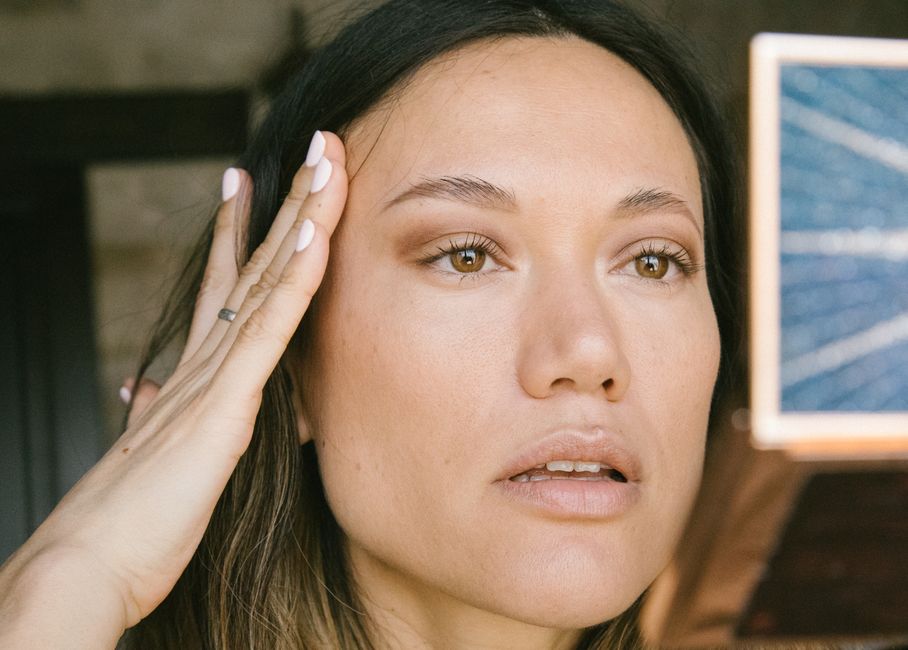
The five-minute base is the part to spend money on. A flexible, thin formula looks more natural at close range and needs fewer touch-ups than a heavy layer. For the easiest busy-morning finish, Tower 28 SunnyDays SPF 30 Tinted Sunscreen Foundation costs about $32 and gives light-to-medium coverage with a satin look. It is my top pick for normal, dry, or easily irritated skin when you want one complexion product.
Step 1: Choose one base, not a stack of them
- Start with skin prep. Apply moisturizer to dry areas and let it sit for thirty seconds. If you need daytime sun protection, use a dedicated sunscreen amount recommended on its label; makeup with SPF should not replace that layer.
- Apply from the center outward. Place a small amount around the nose, cheeks, and chin. Spread it toward the jawline with fingers, a damp sponge, or a short dense brush.
- Stop at a thin, even veil. Wait ten seconds, then inspect your skin. Add a second layer only where redness still shows. Covering the entire face again creates texture and wastes time.
- Spot-conceal last. Kosas Revealer Concealer costs about $32 and works best in tiny dots under the inner eye, beside the nose, and on individual marks. Tap the edges, but leave the center of a blemish covered.
Pick the finish that matches your morning
Saie Slip Tint SPF 35 costs about $36 and is the best choice for a dewy, skin-like finish on dry skin. It has less coverage, so it suits readers who want freckles and natural texture to stay visible. e.l.f. Halo Glow Liquid Filter costs about $14 and adds a soft glow, but use it as a sheer enhancer or mix a small drop into foundation rather than treating it like full coverage.
For oily skin, keep the base thin across the forehead and nose, then set only those areas with a small amount of powder. Do not powder the whole face by habit. The strongest quick routine matches product texture to the skin instead of trying to force every area into the same finish.
3. What Clean Should Mean in Your Routine
The word clean does not have one universal rulebook across makeup labels. Treat it as a personal filter for ingredients, sourcing, packaging, and comfort rather than proof that a product will suit every face. A product can use a short ingredient list and still cause irritation; another can contain familiar synthetic ingredients and work well for sensitive skin.
Start with tolerance, not fear
If your skin reacts easily, begin with the products that touch the largest area: moisturizer, sunscreen, and complexion makeup. Fragrance, essential oils, and certain preservatives can bother some people, but the label alone cannot predict your result. Patch test a new item on a small area near the jaw or behind the ear for several days before applying it across the face. Stop if you see burning, swelling, hives, or a rash.
Do not introduce five new products before a busy week. If something causes a reaction, you need to know which item caused it. A short routine makes that detective work easier because there are fewer variables.
Use the shortest routine that solves the problem
First principles make quick makeup easier: base evens visible tone, concealer adds focused coverage, blush brings color back to the face, mascara defines the eyes, and lip color finishes the look. Anything beyond those jobs is optional. Primer may help makeup grip, but it is not required when your moisturizer and base already sit well together. Highlighter can add brightness, but a small amount of blush placed high on the cheek often creates the same fresh effect with one fewer product.
Clean makeup should also feel clean by lunchtime. If a formula stings, feels tight, separates around the nose, or makes you touch your face constantly, it has failed the routine even if its packaging looks appealing. Comfort and repeat use matter more than a trendy label.
4. Finish the Face With Three Fast Decisions
Choose one hero feature and keep the other details quiet. A quick face looks intentional when the blush, eyes, and lips share a similar color temperature. It looks rushed when every feature has a different finish.
Which blush is fastest?
For the quickest blend, Merit Flush Balm costs about $30 and spreads easily with fingers. It gives a soft wash rather than a sharp stripe, so it is the best choice for beginners or anyone applying makeup in a dim room. Rare Beauty Soft Pinch Liquid Blush costs about $25 and lasts longer, but the pigment is strong. Use half a small dot per cheek, tap it high on the cheekbone, and add more only after blending.
Place cream blush before powder. Smile once to find the fullest part of the cheek, then lift the color slightly toward the temple. This creates a fresher shape than placing a strong circle directly under the eye.
What makes brows look finished without drawing each hair?
Brush the front hairs upward and the tail outward. Glossier Boy Brow costs about $22 and adds light tint with flexible hold, making it the clear pick for sparse areas that need shape rather than a drawn-on look. If your brows already have a strong shape, clear gel alone is faster and less likely to look heavy.
How much mascara and lip color are enough?
Use one coat of ILIA Limitless Lash Mascara at about $28, starting at the roots and wiggling toward the tips. One careful coat opens the eyes without the clumps that often appear when a rushed second coat dries unevenly. For lips, Tower 28 ShineOn Lip Jelly costs about $16 and adds shine with comfortable color. Tap it onto the center of the lips, then press your lips together instead of reaching for a mirror to outline them.
5. Fix the Mistakes That Make a Fast Face Look Messy
When not to buy another product
Skip a separate corrector when your concealer already covers the area in one thin layer. Skip a new primer when your base does not pill or slide. Skip a second lip product when tapping your existing blush onto the lips gives the color you want and the formula is labeled for that use.
Know when the fifteen-minute limit is the wrong goal
If you need full coverage for a formal event, a long-wear stage finish, or detailed eye makeup, fifteen minutes may force bad application. Give those looks more time. For ordinary mornings, the winning routine is the one you can repeat: prep, thin base, targeted concealer, cream color, mascara, and lips.