
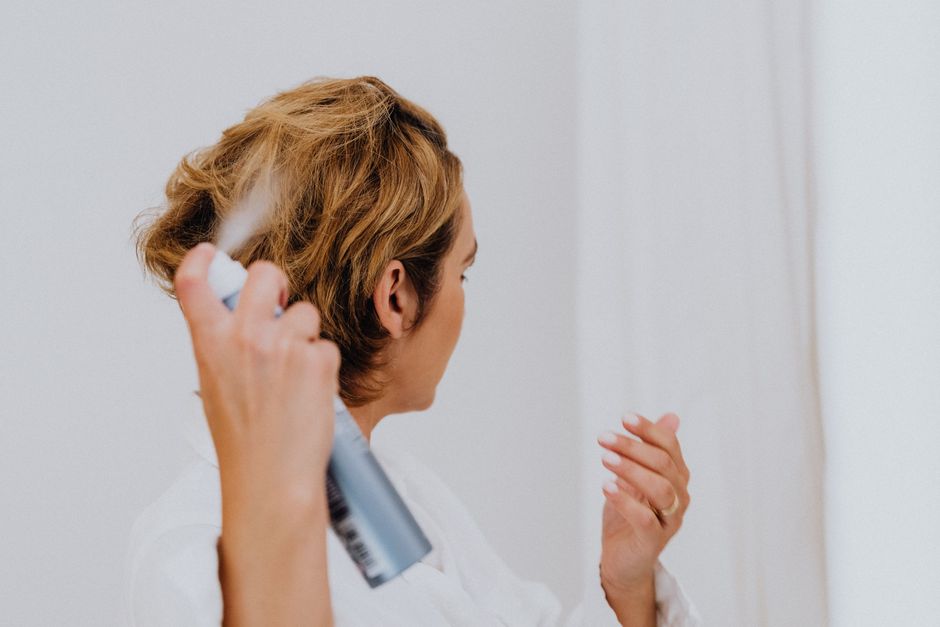
Hair mousse can give your style a little height and make it feel more supported, yet the ends sometimes tell a different story: stiff, separated, and reluctant to move. The answer is often a change in placement or quantity rather than another layer of product. Using hair mousse for lift without crunchy ends means giving the roots the support they need while treating the lengths more lightly. Whether you wear a bob, a short crop, or longer layers, you can aim for shape that still feels like hair.
Separate the job of the roots from the job of the ends
For a lifted style, the hair near your scalp needs enough support to stand away from the head. Your ends usually need freedom to swing, curve, or settle together. Applying the same generous coating from root to tip can leave the lightest, driest sections carrying more styling product than they need.
Think about where you actually want height before you dispense anything. Perhaps your crown collapses, or the sides sit too close to your face. Those are your target areas. You do not need to coat every strand simply because mousse is easy to spread.
This distinction can be especially helpful if your hair has become finer or your lengths feel drier than they once did. Age alone does not determine the right routine; the way your own roots and ends behave is the more useful guide.
Choose hold with your finished style in mind
A mousse labeled for light or flexible hold is a reasonable starting point when softness matters most. Stronger hold may suit a style that needs more structure, but it can also leave a more noticeable coating. Descriptions on the label offer clues, rather than a guarantee of how the formula will feel on your hair.
Follow the product directions, including instructions about shaking the container and whether to apply to damp hair. If you are trying an unfamiliar formula, patch test as directed before broader use. Avoid applying it to an irritated scalp, and stop if you notice burning, itching, or a rash.
Keep the first attempt simple
Use a familiar wash routine and limit extra styling layers while you work out what the mousse does. Several products applied together can make it difficult to identify the source of stiffness. If you use heat, include a heat protectant according to its directions; do not assume mousse provides heat protection unless its label specifically says so.
Start with evenly damp hair
After washing, gently squeeze out excess water and blot with a towel instead of rubbing. Hair should generally feel damp rather than dripping, unless the mousse instructions say otherwise. Excess water can make placement harder to control, while nearly dry sections may collect concentrated patches of product.
Detangle gently with a tool suited to your texture, working from the ends upward. Then check whether the crown is much wetter than the front or the ends have already dried. An even starting point helps you distribute a small amount more consistently.
Apply a modest amount where you want lift
Begin at the low end of the label’s suggested amount, adjusting for your length and density. A large cloud of foam looks airy in your hand, but that does not mean your hair needs all of it. You can judge the result after drying and make a more informed adjustment next time.
- Dispense the mousse into your palm and spread it lightly between your hands.
- Make a few loose sections around the crown and any other areas that need support.
- Use your fingertips to distribute a thin coating through the hair close to the roots, avoiding unnecessary rubbing into the scalp.
- Use only the residue on your hands through the upper lengths if they need support, leaving dry or delicate ends largely free.
For a short cut, the roots and ends are close together, so use a particularly light touch. With longer hair, resist repeatedly raking freshly loaded hands all the way through. That habit can turn a targeted application into a full coating before you notice.
Dry the roots in the direction you want them to sit
Mousse supplies hold, but the position in which hair dries helps establish the shape. Gently lift sections at the crown with your fingers or a suitable brush as you dry. Direct the airflow along the hair where practical, keeping the dryer moving and comfortably away from your scalp.
Use a comfortable low or moderate heat setting and avoid pulling hard on the roots. Briefly directing a section away from its usual resting position can encourage lift, then you can guide it back into the finished style. You do not need to turn every end under or repeatedly heat the lengths to create height at the crown.
Let the lifted sections cool before flattening them with your hands. If you immediately press the crown down to smooth it, you may undo the shape you just created. Finish by arranging the surface lightly rather than brushing the whole style from scratch.
For waves and curls, soften the hold gently
Some mousse formulas leave a temporary firm coating as textured hair dries. If you have applied mousse through the lengths for definition as well as root support, wait until the hair is fully dry before assessing that firmness. Then gently squeeze or scrunch the lengths with clean, dry hands. Avoid aggressive rubbing, which can disturb the shape. A lasting sticky or brittle feel suggests you should adjust the amount or formula.
Read the result before adding more
If your roots look flat but your ends feel stiff, extra mousse over the finished style is unlikely to solve the mismatch. Next time, concentrate less product more carefully near the roots and give those sections more deliberate lift during drying. Longer, heavier lengths may also limit how much height mousse can maintain.
- Ends feel rigid: Reduce the amount reaching them and avoid repeated passes with product on your hands.
- One section feels sticky: Check for uneven dampness or a concentrated patch of mousse.
- Hair looks dull or coated: Review the total amount of styling product and wash it out gently when needed.
- Roots feel heavy: Try less mousse before deciding you need stronger hold.
If the ends are uncomfortably stiff today, gentle washing may be more useful than layering on oils or creams to disguise the coating. Persistent scalp irritation, unusual shedding, or ongoing hair concerns deserve advice from a dermatologist.
On your next wash day, change just one thing: the amount, the placement, or the drying technique. Notice whether the crown keeps its shape and whether the ends move comfortably when you turn your head. That gives you a practical measure of success: a little lift where you want it, with a finish you enjoy wearing.